What Exactly is ‘Laser Waxing,’ and How Does It Compare to Traditional Waxing?

Laser Hair Removal vs. Traditional Waxing: Understanding the Difference
Ever encountered the term ‘laser waxing’ and felt a flicker of confusion? You’re not alone. This phrase is a common misnomer, blending the advanced technology of laser hair removal with the familiar process of waxing. To be clear, ‘laser waxing’ isn’t a type of wax applied by a laser; it simply refers to laser hair removal itself. Understanding this distinction is crucial when comparing laser vs traditional waxing and navigating the various hair removal methods available.
How Laser Hair Removal Truly Works
Laser hair removal operates on a sophisticated biological principle. It utilizes concentrated beams of light, specifically tuned to target the melanin (pigment) within your hair follicles. When this light energy is absorbed by the melanin, it converts into heat. This heat effectively damages the targeted follicle, significantly inhibiting or preventing future hair growth. This is a root-level, follicle-directed approach designed for long-term hair reduction, typically requiring a series of sessions spaced several weeks apart to catch hairs in their active growth phase.
In stark contrast, traditional waxing is a mechanical process. It involves applying wax to the skin, allowing it to adhere to the hair, and then pulling it off rapidly. This action mechanically removes the hair shaft and its root from the surface of the skin. While effective for immediate smoothness, it leaves the hair follicle intact, allowing for regrowth.
Key Distinction: Laser targets the follicle’s biology; waxing targets the hair above the skin.
A Snapshot Comparison: Mechanism, Duration, and Aftermath
To better illustrate the differences between these two popular hair removal methods, consider this breakdown:
- Mechanism: Laser hair removal relies on photothermal damage to the hair follicle. Traditional waxing uses mechanical extraction of the hair shaft.
- Duration of Results: Laser hair removal offers long-term hair reduction after a series of treatments. Traditional waxing provides smooth skin for a few weeks, followed by noticeable regrowth.
- Potential Side Effects: Laser hair removal may cause temporary redness and requires diligent sun avoidance post-treatment, along with professional calibration. Traditional waxing can lead to immediate irritation, redness, and a higher risk of ingrown hairs due to the tearing of the hair shaft.
Making an Informed Choice for Your Hair Removal Journey
Laser hair removal technology has undergone significant advancements over the past two decades, evolving into a mainstream and highly effective option for various body areas, including the bikini line, legs, underarms, and face. However, it comes with a trade-off: a higher upfront investment in terms of both cost and time compared to traditional waxing.
While waxing appointments are generally inexpensive and frequent, laser hair removal requires a greater initial financial commitment and multiple sessions. For many individuals, the long-term economic benefits and the significant reduction in ingrown hairs make the switch to laser hair removal a worthwhile investment.
When deciding between these methods, it’s essential to consider your personal lifestyle, skin type, and hair characteristics. For a comprehensive guide on the advantages and planning involved in laser hair removal, explore our detailed resource on laser hair removal benefits.
In essence: Laser hair removal is a strategic, follicle-focused approach for long-term results. Traditional waxing is a temporary method of surface hair removal. Your choice should align with your ultimate goals, budget, and tolerance for repeated treatments.
Why Are So Many Considering Laser Waxing for Long-Term Smoothness?
Why Are So Many Considering Laser Waxing for Long-Term Smoothness?
People are switching from weekly maintenance to multi-session laser plans because the payoff is different: fewer interruptions in life and a higher probability of lasting results. The debate isn’t just about pain or price — it’s about trading repetitive upkeep for sustained freedom.
Traditional waxing removes hair at the surface; laser targets the follicle. That difference changes outcomes: waxing gives smoothness for weeks, while laser hair removal aims for long-term smoothness by damaging follicles to inhibit regrowth. Multiple sessions are required, but the end state is reduced hair density and slower regrowth. Recent market projections underline the shift: the global hair removal market is growing rapidly, reflecting rising demand for modern, longer-lasting solutions.
Laser waxing benefits concentrate around permanence, comfort improvements, and skin health gains.
Core benefits explained (fast-read)
- Permanent hair reduction: Laser devices target pigment in follicles to reduce hair over consecutive sessions, making routine removal far less frequent.
- Fewer ingrown hairs and less irritation: Because laser bypasses pulling hairs out repeatedly, sensitive skin often experiences fewer bumps and hyperpigmentation.
- Time and cost efficiency over time: Higher upfront cost, but many people find the lifetime expense lower than recurring waxing or shaving.
- Precision and scalability: Modern lasers treat bikini lines, underarms, face, and legs with tailored settings for different hair and skin types.
- Comfort advances: Newer cooling systems and numbing options make sessions more tolerable than early-generation lasers.
Micro-summary: Laser hair removal shifts the trade-off from recurring surface fixes to durable follicle-level change, reducing long-term time and skin friction.
A simple decision framework: R.I.S.E.
- Reduction: How much permanent hair reduction do you need? (Most see significant changes after several sessions.)
- Ingrown prevention: Are ingrown hairs or folliculitis a chronic problem for you?
- Skin health: Do you require a solution that minimizes post-treatment hyperpigmentation?
- Efficiency: Would fewer appointments improve your quality of life?
If you answered yes to any, laser waxing benefits likely outweigh waxing’s convenience.
Contrast: waxing for immediate smoothness vs laser for sustained, lower-maintenance results. For practical waxing tips and how the two approaches compare in daily life, see this guide to smooth skin waxing. For deeper science and cost context about permanent hair reduction, consult that specialist resource.
Micro-summary: Many choose laser because the long-term gains — fewer ingrowns, less routine, and real hair reduction — outweigh a higher initial investment.
What Does the Laser Waxing Process Involve, Step-by-Step?

Photo by ANVA Marketing on Pexels
A clear, no-surprise walkthrough of the laser waxing process
What happens from the first consult to the moment you leave smooth and soothed? Think of this as a four-stage framework: PREP → CHECK → TREAT → CARE. I call it the PREP-PAUSE-PULSE-POST method — practical, repeatable, and clinic-friendly.
PREP: consultation and skin preparation
Your first visit starts with a consultation. Expect a review of medical history, skin and hair type assessment, and a discussion of realistic outcomes. Clinics often perform a patch test to verify laser settings and rule out adverse reactions.
Shave the area 24–48 hours before your appointment unless told otherwise. Avoid tanning, retinoids, and waxing for weeks prior — laser targets follicle pigment, so recently waxed hair can reduce effectiveness.
Clear preparation reduces side effects and improves results.
You should leave the consult knowing the recommended session frequency and approximate total sessions for your goals.
PAUSE: numb, protect, and position
On treatment day the technician cleans the area and may apply a topical anesthetic for sensitive zones. You’ll wear protective eyewear; the room is kept cool and controlled.
A cooling gel or integrated cooling device is typically used to protect the epidermis and improve comfort.
PULSE: how the laser session actually works
The provider adjusts parameters (wavelength, pulse duration, fluence) to match your skin tone and hair color. Short pulses of concentrated light target melanin in the follicle and deliver thermal damage that inhibits regrowth.
The device is swept over the area in overlapping passes. Treatment feels like quick snaps or warm pulses; sensation varies by laser type and body area. Sessions for legs or back can take 20–60 minutes; smaller zones take far less.
POST: immediate aftercare and follow-up
Post-treatment cooling, a soothing cream, and brief recovery instructions are standard. Avoid direct sun, hot baths, and harsh exfoliants for several days. Expect some redness and tiny scabs; these resolve quickly.
Multiple sessions, spaced several weeks apart, are required for lasting reduction because of hair growth cycles.
Micro-summary: The laser waxing process follows PREP-PAUSE-PULSE-POST: prepare and patch-test, numb and cool, deliver targeted pulses, then protect and repeat across sessions for best results.
If you want local clinic options or to compare to salon waxing, check resources for amsterdam hair removal and waxing in amsterdam for practical next steps.
Can You Achieve Optimal Results with Bikini Laser Wax and Specialized Areas?
Can You Achieve Optimal Results with Bikini Laser Wax and Specialized Areas?
Sensitive areas like the bikini line pose a different challenge than legs or underarms — more pigment variation, thinner skin, and a higher sensitivity to irritation. That’s why the short answer is: yes, you can achieve optimal results with bikini laser wax, but it depends on device choice, provider skill, and a tailored protocol.
Modern lasers (alexandrite, diode, Nd:YAG) target the hair follicle differently; some are better for lighter hair, others for darker or tanned skin. Clinics that treat specialized areas adapt wavelength, pulse duration, and cooling to reduce discomfort and lower the risk of burns or pigment changes. Multiple sessions timed to hair growth cycles remain essential.
Specialized treatment beats one-size-fits-all every time — especially in sensitive zones.
Practical considerations: shaving the area before sessions, avoiding sun exposure, and using numbing or stronger cooling when recommended. Expect fewer ingrown hairs and longer-lasting smoothness compared with waxing, although touch-ups may be needed years later. If you still rely on salon waxing for maintenance, compare costs and outcomes — local options like waxing salons amsterdam can fill gaps.
Target • Adapt • Schedule — a simple framework: choose the right laser, adapt settings for the bikini area, and schedule 6–8 weeks between sessions for best results. Micro-summary: bikini laser wax is highly effective when customized; the payoff is reduced irritation and longer-lasting results compared with traditional waxing.
Is At-Home Laser Hair Removal a Viable Alternative to Professional Treatments?

Photo by cottonbro studio on Pexels
Is at-home laser removal a viable alternative to professional treatments?
Thinking you can skip the clinic and zap unwanted hair from your living room? The short answer: sometimes — but only with caveats. Advances in consumer devices have made at-home laser removal more accessible, yet they’re a different category from clinic-grade systems in power, precision, and safety.
Professionals still win on effectiveness and customization. Clinic lasers use higher fluence (energy), a wider range of wavelengths, and cooling systems that let technicians treat large areas faster and more safely. That translates to fewer sessions and better outcomes, especially for darker skin tones or fine/light hair that consumer devices struggle to reduce.
At-home devices excel at convenience and cost control. If you have light-to-medium skin and dark hair, a quality FDA-cleared device can deliver meaningful hair reduction on small areas (underarms, bikini line) over many consistent sessions. They also reduce recurring salon visits and the long-term cost burden for maintenance.
Safety and expectations are the fulcrum — misuse raises the risk of burns, hyperpigmentation, or wasted time on ineffective treatment.
Micro-summary: At-home devices are convenient and cost-effective for straightforward cases, but lack the power and diagnostic ability of professional clinics.
A practical decision framework: S.A.F.E.
- Skin match — Confirm your skin/hair combination suits the device; many at-home devices aren’t effective on very light hair or safe on very dark skin. (S)
- Area & scale — Small, uncomplicated zones work best at home. (A)
- Frequency commitment — Expect more sessions over a longer timeline. (F)
- Expertise threshold — If you need tailored settings, medical oversight, or treatment for sensitive areas, seek a pro. (E)
Micro-summary: Use S.A.F.E. to decide whether convenience outweighs the clinical advantages.
Bottom line: at-home laser removal can be a viable alternative for selected users who accept slower progress and follow safety protocols. For complex skin types, sensitive areas, or faster, more reliable results, professional treatments remain the superior choice.
What’s the True Cost of Laser Waxing, and Is It Worth the Investment?
Unpacking the True Cost: Laser Hair Removal vs. Traditional Waxing
Is the significant upfront investment in laser hair removal truly worth it compared to the familiar routine of waxing? While the initial laser waxing cost is undeniably higher, a closer look at the long-term financial and convenience factors often reveals laser as the more economical choice for those seeking lasting hair reduction. Let’s dissect the numbers and explore how to make an informed decision.
Laser Hair Removal: Pricing Structures and Typical Ranges
The cost of laser hair removal fluctuates based on geographical location, the specific clinic’s reputation, and the size of the treatment area. However, common pricing structures provide a useful benchmark:
- Small Areas (e.g., upper lip, underarms): Expect to pay between $50 to $200 per session.
- Medium Areas (e.g., bikini line, half-arms): Prices typically range from $150 to $400 per session.
- Large Areas (e.g., full legs, full back): Sessions can cost between $300 to $700.
Most reputable providers offer package deals for 6 to 8 sessions, which can reduce the per-session cost by 20% to 40%. This structure is designed to encourage commitment to the full treatment cycle, which is crucial for achieving optimal results.
Contrast with Waxing: Traditional waxing offers a lower cost per visit, but its effectiveness is temporary. A single bikini wax might cost $40-$80, and leg waxing $50-$120. However, these appointments need to be repeated every 3 to 6 weeks, leading to significant cumulative expenses over time.
Micro-summary: Laser pricing is structured as an upfront investment with a declining marginal cost per session through packages, whereas waxing has a low entry cost but high recurring expenses.
Evaluating Value: The T.I.E. Framework
To truly assess whether laser hair removal is a worthwhile investment, consider the following framework:
- Time Horizon: Are you looking for a solution that lasts for months or years, or are you content with short-term results? Laser hair removal is a long-term strategy.
- Intensity of Maintenance: If you regularly wax every 4-6 weeks, the cumulative cost of annual waxing appointments can easily surpass the total investment in a laser package within 1 to 3 years.
- Extras and Risks: Factor in potential downtime, the need for occasional touch-up sessions, and the reality that not all clients achieve 100% hair elimination. Some top-up sessions might be necessary.
Bold Insight: For individuals who consistently wax every 4-6 weeks, the total laser waxing cost often becomes the more economical option within 12 to 36 months, especially when considering the convenience factor.
Micro-summary: Shift your perspective from session-by-session costs to long-term value and convenience; this often flips the cost-benefit analysis in favor of laser.
Practical Tips for Justifying the Laser Expense
Making the decision to invest in laser hair removal can be easier with these practical tips:
- Prioritize Package Deals: Always compare the total cost of treatment packages rather than individual session prices.
- Inquire About Guarantees: Ask providers about included touch-up sessions or any guarantees they offer to ensure you’re getting comprehensive value.
- Verify Expertise and Technology: Cheaper options aren’t always better. Research the type of laser device used and the experience level of the technicians.
- Explore Hybrid Approaches: If you still enjoy the salon experience or need occasional maintenance, investigate hybrid options that combine laser treatments with traditional methods.
For those who prefer local alternatives or remain committed to traditional hair removal, exploring options like waxing in amsterdam can help you find vetted salon services.
Bottom Line: Laser hair removal represents a significant upfront investment. However, for individuals committed to long-term hair reduction, experiencing reduced skin irritation, and enjoying fewer ongoing appointments, the higher initial laser waxing cost typically yields substantial returns in convenience and overall savings over time.
How Should You Care for Your Skin After Laser Waxing for Best Results?
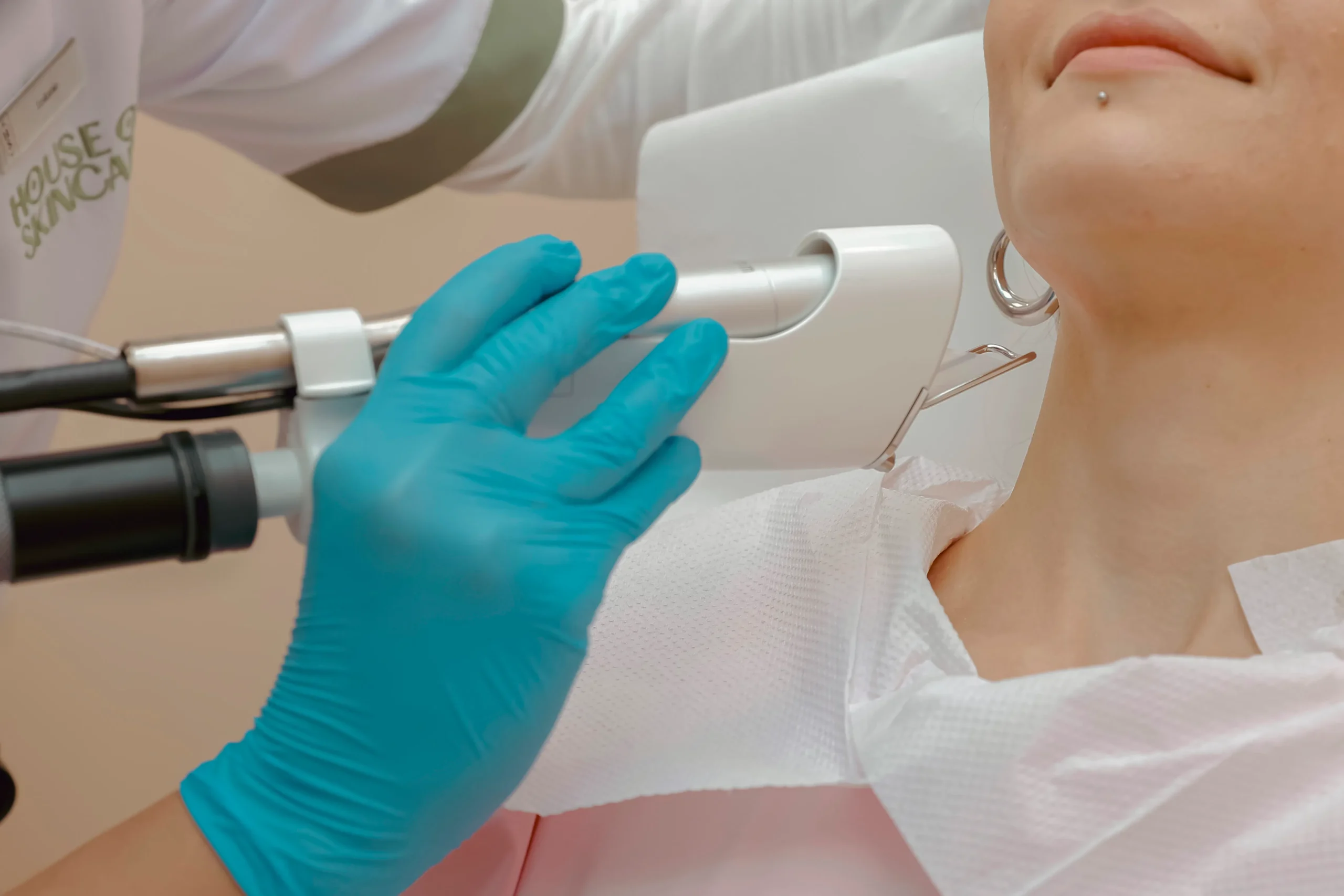
Photo by Khuram Naseem on Pexels
Starting with cooling and calm: the first 24–48 hours after treatment are the most important for laser waxing aftercare. Expect redness and minimal swelling—think of your skin as a healing micro-zone that needs gentle support.
Immediate (0–48 hours)
- Apply a cold compress for short periods to reduce heat and discomfort.
- Use a gentle, fragrance-free moisturizer or aloe vera gel.
- Avoid sun exposure; wear SPF 30+ and cover treated areas.
- Skip hot showers, saunas, intense exercise, and chlorinated pools for 48 hours.
A short, cool routine reduces inflammation and lowers the chance of pigmentation changes.
Short-term (3–14 days)
- Do not exfoliate, use retinoids, alpha/beta hydroxy acids, or waxing/shaving on the treated follicles until cleared by your provider.
- Wear loose clothing over treated areas to prevent friction.
- If scabs or bumps appear, resist picking; use a soothing, pH-balanced cleanser and continue moisturizing.
Protecting the skin while follicles recover preserves results and prevents scarring.
Long-term maintenance & when to call your clinic
- Continue daily sunscreen and gentle hydration—this supports long-term hair reduction and skin health.
- Expect multiple sessions spaced weeks apart; follow-up timing affects outcomes.
- Contact your provider for persistent redness, blistering, fever, or signs of infection.
For professional follow-up and tailored aftercare plans, consider booking with Amsterdam Beauty Clinic — they combine advanced laser hair removal expertise with comprehensive skin treatments.
Need local options? Read our guide to waxing in amsterdam for salon comparisons and broader body treatments.
Micro-summary: Cool, shield, and soothe immediately; avoid active ingredients and heat for at least a week. Ongoing sun protection and clinic follow-ups are the best ways to secure optimal laser waxing results.
Ready for lasting smoothness in 2025? Discover advanced laser hair removal and other treatments at Amsterdam Beauty Clinic.
Frequently Asked Questions about Laser Hair Removal
What’s the real difference between ‘laser waxing’ and laser hair removal?
The term ‘laser waxing’ is often used interchangeably with laser hair removal. Traditional waxing removes hair from the surface temporarily, while laser hair removal uses concentrated light to target and damage hair follicles, leading to significant long-term hair reduction and smoother skin.
How many laser hair removal sessions do I need for permanent results?
Achieving permanent hair reduction typically requires multiple sessions, usually between 6 to 8, spaced several weeks apart. This is because laser treatments are most effective on hair in its active growth phase, and not all hairs are in this phase simultaneously.
Is laser hair removal more cost-effective than traditional waxing in the long run?
While the upfront cost of laser hair removal is higher than traditional waxing, it often proves more cost-effective over time. By significantly reducing or eliminating hair growth, you save on the recurring expense and time commitment associated with frequent waxing appointments.
What kind of aftercare is needed immediately following a laser hair removal session?
After laser hair removal, it’s crucial to keep the treated area clean and moisturized. Avoid sun exposure, hot baths, saunas, and harsh skincare products for at least 24-48 hours to prevent irritation and ensure optimal healing and results.
Can laser hair removal effectively treat sensitive areas like the bikini line?
Yes, laser hair removal is highly effective for sensitive areas such as the bikini line. Professional treatments can be customized to the specific skin and hair type, offering precise targeting for long-lasting smoothness with less irritation compared to traditional waxing methods.
Are at-home laser hair removal devices as effective as professional treatments?
At-home laser devices can offer convenience and some reduction for suitable candidates (typically lighter skin with darker hair). However, professional treatments use more powerful, FDA-approved technology, offer greater customization, and are generally more effective and safer for a wider range of skin and hair types, especially in sensitive areas.