What Exactly is ‘Laser Waxing’, and How Does it Promise Smoothness?

Debunking ‘Laser Waxing’: Understanding the Science of Permanent Hair Reduction
Have you encountered the term ‘laser waxing’ on service menus and felt a twinge of confusion? You’re not alone. This phrase isn’t a recognized clinical procedure; it’s more of a marketing invention that blends two fundamentally different hair removal approaches. The scientifically accurate and evidence-based term is laser hair removal. This sophisticated light-based treatment works by targeting and damaging hair follicles to significantly inhibit future hair growth, offering a path toward long-term smoothness.
The distinction is crucial because it directly impacts patient expectations and treatment choices. Traditional waxing removes hair from the surface, providing immediate, albeit temporary, smoothness. In contrast, laser hair removal targets the root of the problem – the follicle – promising a more enduring solution. The global hair removal market underscores this demand for lasting results, with projections indicating a substantial rise from $2.34 billion in 2024 to $3.09 billion by 2029, driven by consumer interest in longer-lasting hair reduction methods.
Mislabeling laser hair removal as ‘laser waxing’ can unfortunately set unrealistic expectations for instant results. However, it does highlight why consumers often compare these two distinct methods.
The TARGET-DAMAGE-REPEAT Framework: How Laser Hair Removal Achieves Lasting Smoothness
To truly grasp how laser hair removal delivers its promised smoothness, consider it a precise, three-step scientific process:
- TARGET: The laser emits a specific wavelength of light. This light is preferentially absorbed by melanin, the pigment found in hair. The darker and thicker the hair, the more effectively it absorbs the laser’s energy.
- DAMAGE: Once absorbed, the light energy converts into heat. This controlled thermal energy damages the hair follicle and the crucial stem cells responsible for hair regrowth. This damage is what inhibits future growth.
- REPEAT: Hair follicles operate in different growth cycles. To achieve optimal results, multiple treatment sessions are necessary. Each session is timed to target hairs that have entered a growth phase, ensuring that as many follicles as possible are treated effectively over time.
This systematic approach explains why laser hair removal results are gradual and why factors like skin tone and hair color play a significant role in treatment efficacy. Consistent adherence to a recommended treatment protocol leads to progressive hair thinning and, for many individuals, significant and permanent hair reduction.
Micro-summary: Laser hair removal is a precise, medical procedure that uses targeted light energy to damage hair follicles across their growth cycles, offering a scientifically-backed method for lasting smoothness, distinct from temporary waxing.
Setting Realistic Expectations: What Laser Hair Removal Offers vs. Marketing Hype
When performed correctly, laser hair removal treatments typically lead to a noticeable reduction in ingrown hairs, a decrease in daily or weekly maintenance, and, over the long term, can prove more cost-effective than the continuous cycle of salon waxing. For a practical understanding of the trade-offs and real-world outcomes, exploring detailed comparisons of laser waxing benefits and understanding the realistic timelines for achieving permanent hair reduction is essential. These resources can help you make an informed decision based on scientific principles rather than marketing buzzwords.
Final micro-summary: ‘Laser waxing’ is a misleading marketing term. Laser hair removal is the scientifically validated method that, when chosen and administered with precision, can achieve long-lasting smoothness and significant hair reduction.
Why Are So Many Seeking Permanent Hair Reduction Beyond Traditional Methods?
Why Are So Many Seeking Permanent Hair Reduction Beyond Traditional Methods?
People are tiring of the weekly dance with razors, strips, and creams—and the numbers back that up. The global hair removal market is forecasted at $2.34 billion in 2024 and climbing toward $3.09 billion by 2029, driven largely by demand for longer-lasting solutions. That shift is simple: temporary fixes create recurring pain points.
Old vs new: shaving, waxing, and depilatories offer immediate smoothness but require constant repetition. Waxing can irritate skin and invite ingrown hairs; shaving causes stubble and nicks; depilatory creams can trigger chemical sensitivity. The result is a cycle of maintenance that costs time, money, and confidence.
Bold truth: people want fewer appointments, fewer complications, and more reliable outcomes.
Use the 3R framework—Routine, Recurrence, Risk—to compare hair removal options quickly:
- Routine: How often do you need to treat the area? (daily for shaving, biweekly for waxing, months between professional laser sessions.)
- Recurrence: Does the method reduce long-term growth or simply remove surface hair? (Most traditional methods do the latter.)
- Risk: What adverse effects are common? (ingrown hairs, burns, allergic reactions, uneven regrowth.)
This framework shows why interest in permanent hair reduction has surged: laser technology addresses Routine and Recurrence by damaging follicles over multiple sessions, reducing regrowth frequency and density.
Choosing alternatives to constant waxing and shaving isn’t just aesthetic; it’s practical. People cite time savings, fewer ingrown hairs, and perceived long-term value as primary motivators.
Micro-summary: Traditional hair removal methods win for immediacy but lose on durability and convenience. That gap is what’s pushing many toward lasting solutions.
For readers weighing options, explore laser-specific trade-offs and real-world benefits in our deeper guides on “Quick Answers: Should You Switch to Laser Waxing for 2025?” and how “Making Laser Waxing Simple” clarifies the real advantages of laser waxing benefits and permanent hair reduction.
Micro-summary: The desire for convenience, lower lifetime cost, and smoother skin with fewer complications explains the rapid move away from classic waxing alternatives.
How Does Laser Hair Removal Work to Deliver Long-Lasting Results?
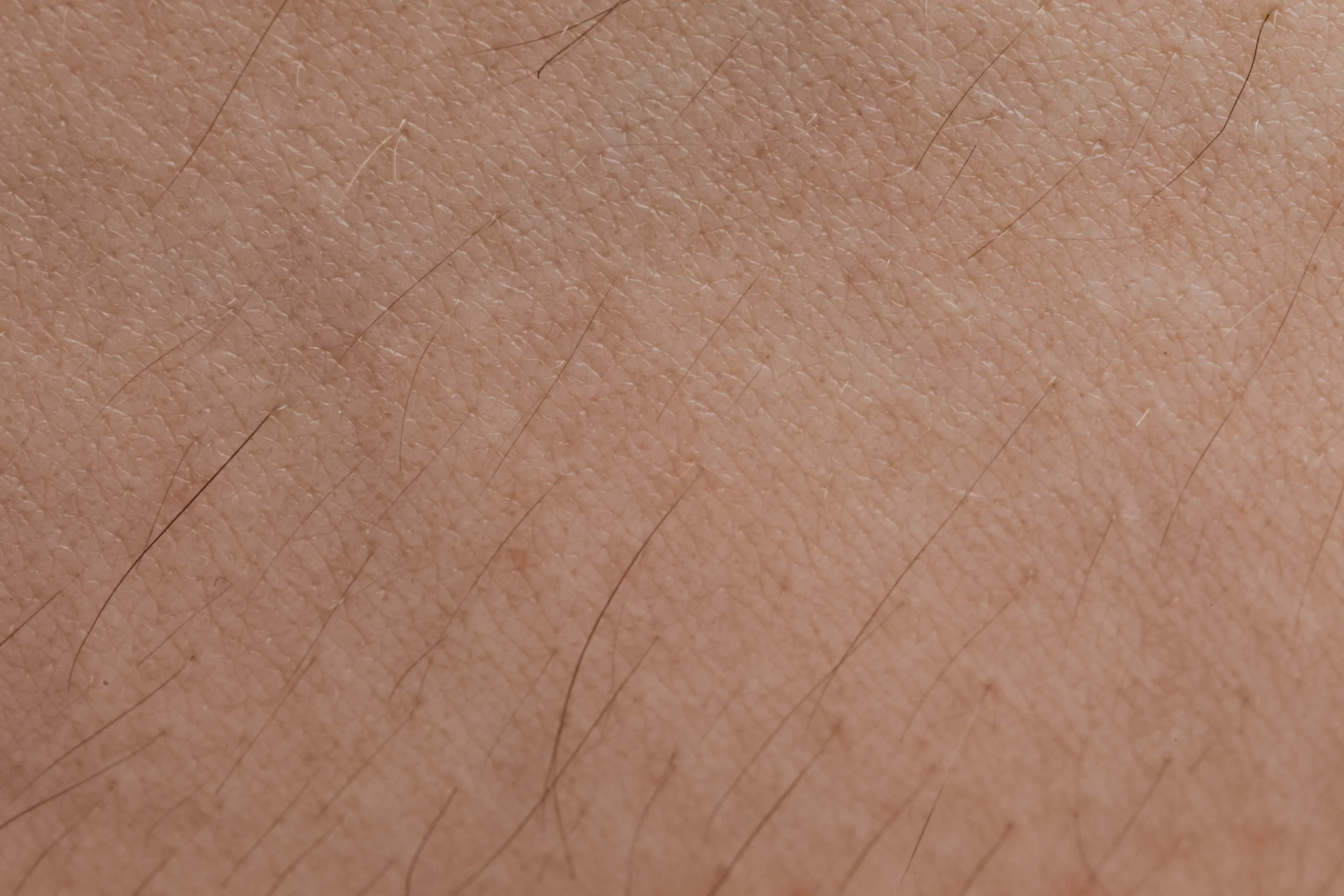
Unveiling the Science Behind Laser Hair Removal’s Lasting Smoothness
Ever wondered how laser hair removal delivers that coveted long-lasting smoothness? It’s a sophisticated process that hinges on a precise interaction between light and your hair’s natural pigment. When a laser pulse meets a hair, it performs a dual action: it seeks out melanin, the pigment responsible for hair color, and simultaneously delivers a controlled burst of heat.
Lasers emit a concentrated beam of light at a specific wavelength, which is expertly absorbed by the melanin within the hair shaft and its follicle. This absorbed light energy transforms into heat, effectively damaging the follicle’s growth center. The outcome? The follicle is impaired, significantly hindering its ability to produce new hair, or at best, producing much finer, slower-growing strands.
The TARGET → DAMAGE → REPEAT Framework: A Biological Necessity
This process operates on a simple yet effective principle: target the pigment, damage the follicle, and repeat the cycle across all hair growth phases. The key to its long-term success lies in targeting hairs during their active growth phase, known as the anagen stage. Since hair follicles don’t all sync up in their growth cycles, multiple treatment sessions are not a flaw in the system but a biological imperative.
- Why Multiple Sessions? Hair grows in distinct cycles (anagen, catagen, telogen). Only hairs in the anagen phase are susceptible to laser treatment because they are actively connected to the follicle’s root. Subsequent sessions are crucial to catch hairs that were dormant during previous treatments.
- Building Cumulative Results: A typical treatment plan involves 6–8 sessions, spaced several weeks apart. This phased approach allows for cumulative damage to the follicles, leading to significant and long-term hair reduction.
Laser hair removal is the ultimate method for achieving long-lasting smoothness because it directly addresses the root cause of unwanted hair: the hair follicle itself.
Understanding the Technology: Devices and Their Significance
The effectiveness and suitability of laser hair removal depend heavily on the type of device used. Each laser technology is optimized for different hair colors, skin types, and treatment areas:
- Alexandrite (755 nm): Renowned for its speed and efficacy on individuals with lighter skin tones and fine to coarse hair. It’s particularly well-suited for treating larger body areas when skin pigmentation is not a concern.
- Diode (800–810 nm): A highly versatile option, commonly employed for body hair removal across a broad spectrum of skin types. It strikes a balance between penetrating deeply enough to reach the follicle and effectively targeting melanin.
- Nd:YAG (1064 nm): This laser penetrates deeper into the skin and has lower melanin absorption, making it a safer choice for darker skin tones. While effective, it might be less efficient on very fine hair compared to other lasers.
- Intense Pulsed Light (IPL): While often grouped with lasers, IPL uses broadband light, not a single wavelength. It’s a more cost-effective option but generally less precise and may require more sessions to achieve comparable long-term reduction.
Beyond the laser type, critical variables like pulse duration, energy levels (fluence), and integrated cooling technology play a vital role in both treatment efficacy and patient comfort. Skilled practitioners meticulously adjust these parameters based on an individual’s unique skin type, hair color, and the specific treatment area. This customization is paramount to maximizing permanent hair reduction while minimizing risks like burns or unwanted skin pigmentation changes.
The Nuance of “Long-Lasting” vs. “Instant Permanent Removal”
While lasers are highly effective at destroying follicular structures, leading to durable hair reduction, the industry and regulatory bodies often use the term “permanent hair reduction” rather than “permanent removal.” This distinction is important because, in some cases, follicles may not be completely destroyed and could potentially recover over time, or new follicles might become active.
Despite this technicality, patient satisfaction rates remain exceptionally high. Many individuals enjoy years of near-smooth skin, experiencing a dramatic decrease in the need for frequent maintenance compared to methods like waxing or shaving. The convenience and sustained results are significant benefits.
Choosing Wisely for Lasting Results:
To truly convert your laser sessions into enduring, long-lasting smoothness, careful consideration is key. Selecting the appropriate laser technology tailored to your specific skin and hair characteristics, alongside adhering to a proper session cadence guided by a certified and experienced provider, are the cornerstones of success. For practical guidance on selecting treatments and understanding what outcomes to expect, consult our comprehensive laser hair removal guide and explore real-world experiences in our article on permanent hair reduction.
Ultimately, laser hair removal revolutionizes the approach to body hair management. It shifts the paradigm from a cycle of frequent, temporary fixes to a sustainable, long-term reduction strategy, making the dream of effortlessly smooth skin a realistic achievement for many.
What Are the True Benefits of Choosing Laser Over Traditional Waxing?
Quick contrast: instant smoothness vs lasting reduction
How do you choose between the immediate, familiar glide of waxing and the promise of long-term reduction? The real debate is laser hair removal versus waxing — not a contest of better or worse, but of priorities: speed now versus freedom later.
Many brands call treatments “laser waxing,” which is confusing. It’s a marketing mash-up; the accurate term is laser hair removal. Laser targets pigment in follicles with concentrated light, causing thermal damage and reducing regrowth over multiple sessions. Waxing removes hair at the root for immediate smoothness but does not change the follicle’s future behavior.
The core advantages: why laser pulls ahead
- Longer-lasting results: Laser delivers progressive hair reduction across sessions, often reducing density and slowing regrowth. Waxing resets the clock each tine—smoothness returns as hair grows back.
- Fewer ingrown hairs: By disabling the follicle, laser reduces the small, painful bumps common after repeated waxing or shaving. People prone to ingrowns often see the biggest quality-of-life improvement.
- Pain profile over time: Initial laser sessions can sting, but many users report treatments feel less intense as hair thins. Waxing pain remains roughly constant with each appointment.
- Time and convenience: Cumulative time spent in salons for waxing adds up. Laser’s multi-session course usually pays back in months—fewer appointments for the same or better smoothness.
Laser often shifts the lifetime balance from recurring maintenance to durable reduction.
Micro-summary: Laser reduces hair growth and ingrown hairs over time; waxing gives immediate, repeatable smoothness but with ongoing cost and maintenance.
Cost and expectations: realistic framing
Laser isn’t cheap up front; packages and the number of sessions drive price. But when you compare years of waxing appointments, many people find laser more cost-effective long term. Results vary by skin tone, hair color, and device—consultation matters.
Practical takeaway
If your priority is immediate, single-session smoothness, waxing still wins. If you want reduced ingrowns, fewer appointments, and progressively less hair, the laser hair removal route is typically the smarter investment. For those curious about advanced waxing technique instead, see our guide on smooth skin waxing.
Micro-summary: Laser hair removal versus waxing is a trade-off between instant results and durable reduction — choose based on your long-term routine, budget, and skin/hair profile.
Can You Really Achieve Effortless Smooth Skin by 2025 with Laser Treatments?

Can You Really Achieve Effortless Smooth Skin by 2025 with Laser Treatments?
While marketing might tempt you with shortcuts like “laser waxing,” it’s crucial to understand that this term is a misnomer. The genuine, scientifically-backed path to enduring smoothness lies in professional laser hair removal. This advanced treatment targets the pigment within hair follicles using concentrated light energy, leading to significant and permanent hair reduction over a series of sessions. The confusion arises because “laser waxing” erroneously blends the instant gratification of waxing with the gradual, cumulative results of laser technology.
Understanding the Laser Hair Removal Process
Achieving smooth skin with laser treatments isn’t an overnight transformation; it’s a progressive journey. Most individuals require a series of 6 to 8 sessions for common body areas, with treatments spaced 4 to 8 weeks apart. Facial or hormonally influenced hair might necessitate additional sessions. This phased approach is essential because hair grows in distinct cycles, and treatments are most effective when they target follicles during their active growth phase.
You’ll witness progressive thinning and a noticeable slowdown in regrowth with each treatment.
Micro-summary: Laser hair removal is a cumulative process that requires patience and a commitment of several months, not days.
Long-Term Results and Maintenance
Following the initial treatment package, many patients achieve dramatic hair reduction within a year. However, some may benefit from annual maintenance sessions to sustain optimal results. Several factors can influence the timeline and effectiveness of your treatment, including your natural hair color, skin tone, hormonal balance, and the specific laser technology employed by the clinic. Fortunately, modern laser devices and the expertise of experienced technicians significantly enhance both treatment outcomes and patient comfort.
Budgeting for Smoothness: Value Over Time
The cost of laser hair removal varies based on the treatment area and the clinic’s pricing structure. Opting for package deals can often reduce the per-session cost. When considering the investment, it’s wise to evaluate the lifetime value compared to the recurring expense and effort of traditional waxing. Laser hair removal often leads to fewer ingrown hairs, saves considerable time in the long run, and can result in significant financial savings over several years.
Choosing the Right Clinic: Expertise Matters
Selecting a reputable clinic is paramount for successful and safe laser hair removal. Look for facilities staffed by certified technicians, equipped with up-to-date laser technology, and transparent about their results through clear before-and-after photographs. A thorough and honest consultation that sets realistic expectations is also a key indicator of a professional establishment.
The Realistic Promise for Smooth Skin by 2025
For many, achieving a state of significantly reduced hair growth and smoother skin by 2025 is an entirely achievable goal with professional laser treatments. It’s important to reiterate that laser hair removal focuses on permanent hair reduction, not instant hair eradication. Success is influenced by individual factors and requires a commitment to the treatment plan.
Micro-summary: With realistic expectations and the selection of a qualified provider, achieving long-lasting smooth skin by 2025 is a plausible outcome for many individuals.
For localized information or to explore alternatives such as waxing services, consider consulting resources specific to your area, like those found for smooth skin Amsterdam.
Discover professional laser hair removal options and schedule a consultation at https://amsterdambeautyclinic.nl/ to discuss pricing and personalized treatment plans.
What Should You Budget for Laser Hair Removal: Understanding the Costs?
What Should You Budget for Laser Hair Removal: Understanding the Costs?
People expect a single price tag for “laser waxing”—but that phrase is misleading. Laser hair removal (LHR) is priced by area, sessions, technology and provider expertise; “laser waxing cost” is therefore a range, not a number.
Start with a simple framework I call PRICE: Population (area size), Regimen (sessions needed), Instrument (laser type), Clinician (reputation/experience), Extras (consultations, aftercare). This clarifies why quotes vary widely.
Typical per-session ranges (approximate):
- Small areas (upper lip, chin): $50–$150
- Underarms: $150–$300
- Bikini / “bikini laser wax”: $200–$500
- Brazilian: $300–$700
- Half legs/full legs: $300–$1,200
Most plans require 6–8 sessions spaced weeks apart; packages often reduce the per-session price. Expect to budget several hundred to several thousand dollars overall depending on the area and package.
Key cost drivers:
- Area size: larger areas = longer device time = higher price.
- Number of sessions: darker, coarser hair and hormonal factors often mean more visits.
- Technology: newer diode or Alexandrite systems command premium pricing for speed and comfort.
- Clinic reputation: certified technicians and medically supervised clinics cost more but lower complication risk.
- Promotions and financing: many clinics offer package deals or payment plans to spread the initial investment.
Why the upfront spend is often worthwhile: compared to recurring waxing, shaving, or depilatories, LHR reduces long-term time and cost, lowers ingrown-hair risk, and offers sustained hair reduction for years. Think of laser as an investment that lowers lifetime hair-removal friction.
If you still value instant smoothness or local providers, compare options—many readers pair treatments with professional waxing; check local recommendations like waxing salons amsterdam or waxing in amsterdam for one-off services.
Budgeting micro-summary: plan for per-session ranges and a 6–8 session course; price varies by area, clinic and technology. ROI micro-summary: higher upfront cost can equal lower lifetime expense and more convenience than traditional waxing or shaving.
How to Choose the Right Clinic for Your Laser Hair Removal Journey?

Photo by Anna Shvets on Pexels
Start with a clear consultation — not a hard sell
You should leave your first visit knowing exactly what will happen, why, and how many sessions are realistic for your goals. A reputable clinic runs a medical-grade consultation that assesses skin type, hair color, medical history, and previous hair removal methods. Expect test patches, realistic timelines, and written consent.
A consultation is the simplest risk filter — skip clinics that pressure you into immediate packages.
The four pillars to evaluate (CERT)
- Credentials: Verify licensed dermatologists or certified laser technicians. Ask for training certificates and device operator names.
- Equipment: Look for modern diode, alexandrite, or Nd:YAG platforms with FDA/CE clearance and adjustable wavelengths for diverse skin tones.
- Experience: Ask how many treatments they’ve done for your body area and skin type; request before/after photos and patient testimonials.
- Tailoring: Effective laser hair removal requires an individualized plan (timing, fluence, and maintenance). Beware one-size-fits-all pricing.
Clinics that satisfy CERT deliver safer, more predictable outcomes and fewer complications. Micro-summary: Prioritize certified staff, up-to-date lasers, demonstrable experience, and tailored plans.
Pricing vs value — decode the offers
Low-cost sessions can mean underpowered devices or inexperienced operators. Look for transparent pricing that explains session counts, maintenance visits, and extra fees. Ask about package financing and refund policies. If cost comparison is making you anxious, remember: long-term savings come from real hair reduction, not repeat waxing.
A higher upfront cost often buys fewer sessions later.
Clinic culture and aftercare
Confirm pre/post-care instructions (sun avoidance, shaving rules, cooling protocols) and ready access to medical support for complications. Read recent reviews and check response quality to negative feedback. If you’re comparing hair removal options, don’t ignore client service — it matters for outcomes.
Micro-summary: Good aftercare and patient support reduce downtime and improve satisfaction.
Quick next steps
- Book a consultation. 2. Request device model and operator credentials. 3. Compare written treatment plans.
If you still want temporary alternatives, here are local resources on waxing choices: waxing salons amsterdam and waxing in amsterdam. For guidance on professional laser services and costs, see the clinic’s information on laser hair removal. Achieving smooth skin 2025 starts with the right clinic choice — prioritize safety, evidence, and personalization.
Ready to explore long-lasting smoothness? Discover advanced laser hair removal and other skin treatments at Amsterdam Beauty Clinic.
People Also Ask
Is ‘laser waxing’ a real thing, or is it just laser hair removal?
‘Laser waxing’ is a marketing term that refers to professional laser hair removal. It’s important to understand that laser hair removal works differently from waxing. It uses concentrated light to target hair follicles, leading to gradual, long-term hair reduction, rather than the immediate removal waxing provides.
How many laser hair removal sessions do I need for smooth skin by 2025?
The number of sessions required for permanent hair reduction varies depending on your individual hair growth cycles and the area being treated. Typically, multiple sessions spaced several weeks apart are necessary to effectively target hair follicles in their active growth phase. Achieving significant smoothness by 2025 is realistic with a consistent treatment plan.
What are the main benefits of laser hair removal over traditional waxing?
Laser hair removal offers long-term hair reduction, significantly reducing the need for frequent treatments over time. It also tends to cause fewer ingrown hairs and can be more cost-effective in the long run compared to the recurring costs of waxing. While waxing provides immediate smoothness, laser treatments aim for lasting results.
How much does laser hair removal typically cost?
The cost of laser hair removal varies based on the treatment area, the number of sessions needed, the technology used, and the clinic’s expertise. While the upfront investment might seem higher than waxing, it often proves more economical over years due to the permanent reduction achieved. It’s best to consult with a clinic for a personalized quote.
Can laser hair removal be used on all skin and hair types?
Modern laser hair removal technologies are effective on a wide range of skin and hair types. However, results can be most dramatic on individuals with darker hair and lighter skin, as the laser targets pigment. Advanced devices and experienced practitioners can tailor treatments for various combinations, ensuring safety and efficacy.
What should I look for when choosing a clinic for laser hair removal?
When choosing a clinic, prioritize qualified and experienced staff, a thorough consultation process, and up-to-date laser technology. Check reviews, understand their pricing structure, and ensure they prioritize your safety and comfort. A reputable clinic will clearly explain the treatment process and manage your expectations for results.