What is Laser Waxing and How Does it Actually Work?
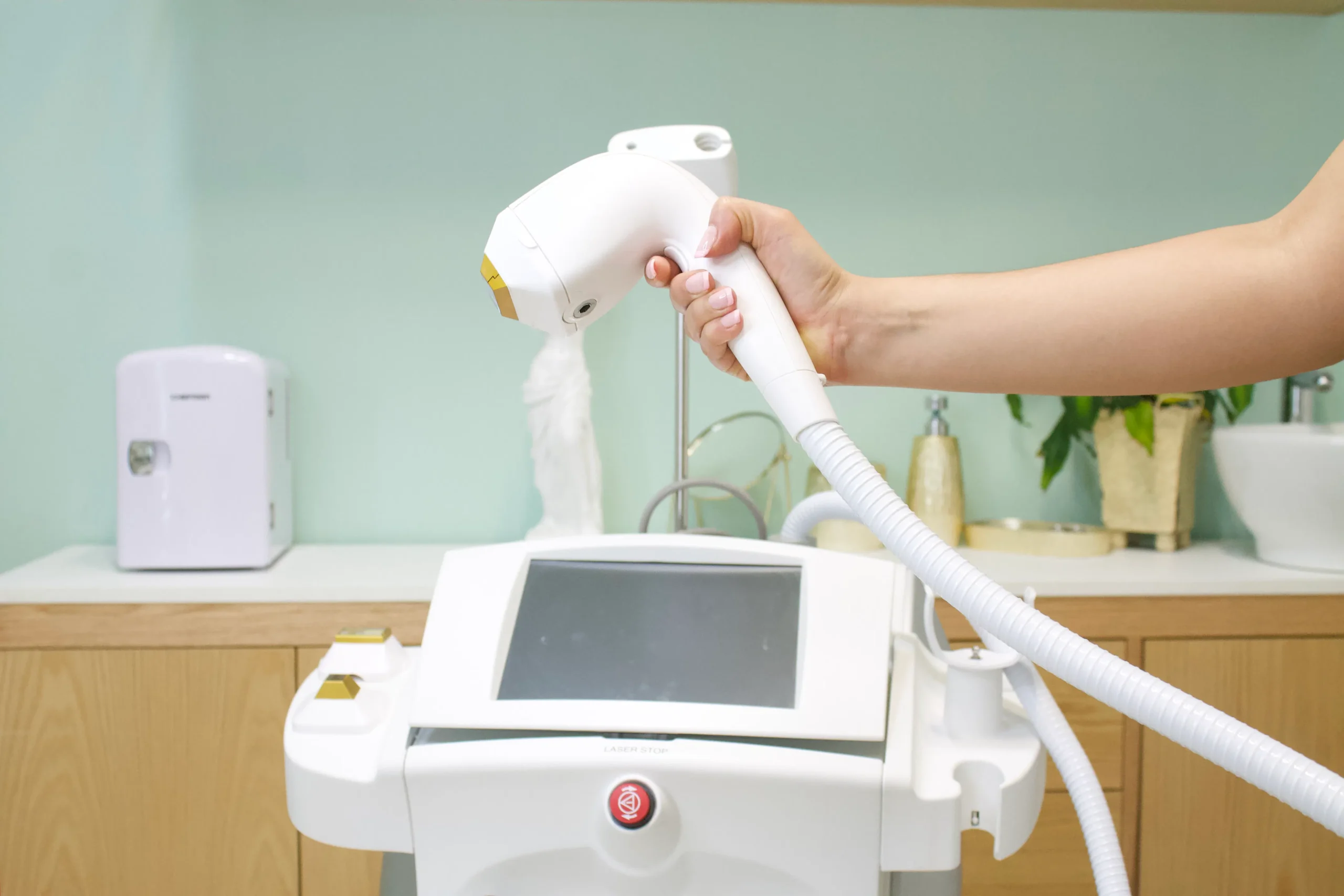
What is Laser Waxing and How Does it Actually Work?
Think of laser waxing as the science-backed alternative to the weekly scrape and peel—designed to stop hair at the source rather than simply remove it for a few weeks. In clinical terms, “laser waxing” refers to laser hair removal: concentrated light beams selectively target hair pigment to inhibit future growth.
At a glance: laser hair removal can reduce hair growth by 80–90% after a full course (typically 6–8 sessions). The global market is growing fast, reflecting both demand and technological advances.
The core science — TARGET → HEAT → DISABLE
- Target: The laser emits specific wavelengths absorbed by melanin (hair pigment) in the follicle.
- Heat: Absorbed light converts to heat, raising follicle temperature quickly.
- Disable: Sufficient heat damages the follicle and its stem cells, reducing or preventing regrowth.
This Target→Heat→Disable framework explains how laser energy produces long-term hair reduction rather than the temporary removal achieved by pulling hair out.
Laser works on the pigment; waxing works on the shaft. That’s the fundamental difference.
Microsummary: Laser hair removal focuses energy at the follicle to impair future cycles; multiple sessions catch hairs in different growth phases.
Waxing vs laser — side-by-side contrast
Waxing removes the entire hair from the root now; laser aims to reduce the follicle’s ability to produce hair over time. Waxing gives immediate smoothness but regrowth returns; laser requires upfront investment and repeat visits but delivers long-term reduction and fewer ingrown hairs.
Practical notes: avoid tanning and waxing/plucking before sessions, shave 24–48 hours prior, and expect a snapping sensation and brief redness after treatment. Choose clinics using Food and Drug Administration (FDA)-approved lasers and certified technicians for safety.
For a deeper look at benefits and what to expect, see our guide to laser waxing benefits.
Microsummary: Laser waxing (laser hair removal) trades short-term convenience for durable results—best for people seeking long-term reduction rather than temporary removal.
Why Consider Laser Waxing: What Are the Key Benefits?
Have you ever wondered why people choose laser waxing when traditional waxing is cheaper and immediate? The short answer: laser hair removal trades recurring maintenance for long-term freedom — and measurable skin-health wins.
What laser waxing actually delivers
Laser hair removal benefits are more than marketing copy. Unlike wax, which rips hairs out and demands monthly upkeep, laser treatment targets the hair follicle. Over multiple sessions (typically 6–8), the laser’s energy damages follicles so they stop producing hair or produce much finer, lighter growth. Clinical results commonly report 80–90% reduction in hair growth after a full course.
Laser sessions turn temporary smoothness into durable results — that’s the core value proposition.
Micro-summary: Laser shifts the timeline from short-term removal to long-term reduction, saving time and irritation over years.
Three practical advantages (the “LAST” framework)
- Longevity (L): Permanent hair reduction means fewer sessions and less lifetime cost compared with endless waxing and shaving. Many clients see dramatic declines in regrowth after a full regimen.
- Aesthetics & Skin Health (A): Laser reduces ingrown hairs, folliculitis, and the hyperpigmentation that frequent waxing can cause. For sensitive areas like the bikini line, that’s a major benefit.
- Safety & Suitability (S): Modern devices are safer across a wider range of skin tones; choosing an FDA-approved laser and certified technicians minimizes risks like pigmentation changes.
- Time and Convenience (T): Fewer appointments, less post-treatment care, and no need to grow hair long between treatments — shave 24–48 hours before, then show up.
Micro-summary: The LAST framework helps choose laser for durability, skin health, safety, and convenience.
Practical trade-offs to weigh
Laser’s cons are upfront cost and the need for multiple sessions. But consider lifetime cost and skin outcomes: fewer ingrown hairs, smoother skin treatment results, and reduced irritation often offset initial expense.
For deeper reading on what to expect and how it compares to traditional approaches, see our guide on laser waxing benefits and the analysis of permanent hair reduction.
Micro-summary: Laser waxing is an investment in long-term smoothness and skin health — choose a reputable clinic to maximize benefits.
How Can I Best Prepare My Skin for My First Laser Waxing Appointment?

Photo by Leeloo The First on Pexels
Nervous about your first laser waxing appointment? Start here — simple actions now change how your skin responds later.
Laser waxing (commonly called laser hair removal) relies on melanin in the hair shaft and follicle. If the follicle isn’t present or the skin is irritated, the laser can’t work safely or effectively. That’s why pre-session preparation matters as much as the device.
The PREP framework: four steps to maximize safety and results
P — Protect from sun and tanning. Avoid sun exposure and tanning beds for at least 2–4 weeks before treatment. Sunburned or recently tanned skin increases the risk of pigmentation changes and may require rescheduling.
R — Remove long-term hair removal methods early. Do not wax, tweeze, or use epilators for 4–6 weeks before your session. Laser targets the hair follicle; if waxing has removed the follicle, the laser has nothing to target. If you’re wondering about laser hair removal after waxing, plan a 4–6 week regrowth window so follicles are present and pigmented.
E — Exfoliate gently, then shave. Light exfoliation 2–3 days before reduces dead-skin barrier and lowers ingrown-hair risk. Shave the area 24–48 hours before your appointment so hair is short but the follicle is still intact. Shaving is the preferred pre-laser hair removal method because it preserves the follicle while removing surface hair.
P — Prepare medications, products, and clothing. Stop topical retinoids, chemical peels, and strong acids for 5–7 days before treatment. Tell your technician about photosensitizing medications or blood thinners. On the day, arrive with clean, makeup-free skin and wear loose clothing to avoid friction afterward.
Practical checklist (quick to follow)
- No waxing/plucking/epilation for 4–6 weeks.
- No sun or tanning for 2–4 weeks; avoid self-tanners for 2 weeks.
- Shave 24–48 hours before the appointment.
- Stop retinoids and exfoliating acids ~1 week prior.
- Skip caffeine if you’re pain-sensitive; consider a topical numbing cream only if recommended by your provider.
- Bring medical history and list of medications for the patch test.
A patch test and clear history from a certified technician are non-negotiable — they reduce risks and tailor settings to your skin and hair.
Treat pre-session prep like a quick experiment: adjust based on your skin’s response and the technician’s feedback. Proper timing and simple habits greatly increase comfort, safety, and the odds of hitting that 80–90% hair reduction goal over multiple sessions.
If you still prefer temporary options or want to compare techniques, our guide to effective hair removal covers waxing and at-home methods.
In short: avoid sun and waxing, shave at the right time, stop irritants, and get a patch test — those four moves set you up for safer, more effective laser waxing.
What Areas Can Be Treated, and Is ‘Bikini Laser Wax’ Right for Me?
Dreaming of lasting smoothness below the belt? While laser hair removal is undeniably effective, the key questions are which areas are best suited for this treatment and whether a “bikini laser wax” aligns with your personal goals and skin type.
Which Areas Benefit Most from Laser Waxing?
Laser hair removal offers remarkable versatility across various body parts. The most common and successful treatment areas include:
- Face: Targeting smaller areas like the upper lip and chin, especially effective for pigmented hairs.
- Underarms: Known for quick treatment sessions and high client satisfaction.
- Legs and Arms: Ideal for larger surface areas where the time savings of laser are most appreciated.
- Bikini Area: This encompasses the bikini line, extended bikini, and full Brazilian styles, offering a long-term solution.
- Back and Chest: Frequently chosen by men seeking a significant and permanent reduction in hair growth.
Lasers work by targeting melanin, the pigment in hair follicles. Consequently, darker, coarser hairs typically exhibit the strongest and most noticeable reduction. While modern laser technology has significantly advanced, improving safety and effectiveness for a broader spectrum of skin tones, a professional consultation remains crucial to determine suitability.
Compared to traditional waxing, which only removes hair from the root, laser waxing aims for long-term reduction, often achieving 80–90% less regrowth after a series of sessions. For those prioritizing lasting smoothness over frequent maintenance, laser hair removal presents a strategic and efficient choice.
Micro-summary: Laser waxing is highly effective across most body areas, with darker, coarser hairs responding best. Modern advancements ensure greater safety for diverse skin tones, though professional consultation is key.
Is a “Bikini Laser Wax” the Right Choice for You?
A “bikini laser wax” specifically refers to undergoing laser hair removal treatment in the bikini region. This option is ideal if you seek:
- Reduced Visit Frequency: Significantly fewer appointments compared to the ongoing need for traditional waxing.
- Fewer Ingrown Hairs and Irritation: Laser treatment often minimizes the common issues associated with waxing, such as ingrown hairs and skin irritation.
- Cleaner Lines: Achieve precise and well-defined results suitable for various bikini styles, from a basic line to a full Brazilian.
However, it’s important to consider that multiple sessions, typically ranging from 6 to 8, are necessary for optimal results. There’s also an upfront cost associated with the treatment series. Additionally, lighter-colored hairs, such as blonde, red, gray, or white, may not respond as effectively and might require alternative or supplementary hair removal methods.
Preparation is key: Avoid sun exposure to the treatment area for several weeks prior to your sessions, and shave the area 24–48 hours before each appointment. This ensures the laser energy is directed effectively to the follicle.
For those considering local options or comparing services, exploring resources like brazilian wax amsterdam can provide valuable context.
Crucially, always choose a clinic staffed by certified technicians and utilizing U.S. Food and Drug Administration (FDA)–approved lasers. This commitment to professional standards and validated technology ensures the safest and most effective outcomes for your bikini laser wax treatment.
Micro-summary: A bikini laser wax offers durable smoothness and reduces ingrown hairs but requires a commitment to multiple sessions and is most effective on pigmented hair. Proper preparation and choosing a certified clinic are essential for safety and results.
What Should I Expect During and Immediately After My Laser Waxing Session?
Photo by Gustavo Fring on Pexels
During the session — what you’ll feel and why
The device emits concentrated light that targets melanin in hair follicles; the technician will move a handheld laser across the treatment area in short pulses. You’ll likely hear a rhythmic clicking and feel a quick, localized snap or sting as each pulse is delivered. Expect a brief snapping sensation — it’s normal and usually quick.
The technician will use cooling mechanisms (a chilled tip, air cooling, or a gel) to protect your skin and minimize discomfort. Sessions are relatively fast: small areas (upper lip) take minutes, while larger zones (legs, full bikini) can take 30–60 minutes depending on coverage and hair density.
Most clinics perform a short patch test if you’re new, and confirm your shaved status; shaving 24–48 hours before is standard because lasers work best when hair shaft is present but surface hair is removed. The technician should review contraindications, verify settings for your skin tone, and use FDA-approved lasers operated by a trained professional.
Small procedural checklist:
- Clean area and apply numbing cream if previously agreed.
- Perform patch test if needed.
- Deliver laser pulses with cooling between passes.
- Post-treatment review and photos for progress tracking.
Quick takeaway: a methodical, safety-first session rarely lasts more than an hour and feels like repeated snaps with cooling relief between pulses.
Immediately after — common reactions and basic care
Redness and mild swelling (like small insect bites) are common for 24–48 hours; darker or coarser hair areas tend to react more. You may notice hair shedding over the next 1–3 weeks — that’s normal and different from immediate regrowth.
Do this in the first 72 hours:
- Soothe with cool compresses and gentle, fragrance-free moisturizers.
- Avoid sun exposure, tanning beds, hot baths, saunas, and vigorous exercise.
- Skip waxing, plucking, and chemical peels until cleared by your technician.
- Use broad-spectrum sunscreen (SPF 30+) after the first 24 hours if the area will be sun-exposed.
S.T.E.P. post-care framework: Soothe (cooling), Timelines (expect redness/peeling timeline), Exclude (no heat/abrasion), Protect (sunscreen).
Micro-summary: The in-clinic experience is short, controlled, and often tolerable; immediate aftercare focuses on cooling, sun protection, and avoiding trauma to the treated area. If you want clinic recommendations for smooth skin treatments, see our guide to picking a salon.
How Much Does Laser Waxing Cost, and Is It a Worthwhile Investment?
How Much Does Laser Waxing Cost, and Is It a Worthwhile Investment?
Pricing for laser waxing — more accurately laser hair removal — varies widely, but the decision hinges less on a single-session price and more on the total package: area, number of sessions, device quality, and technician skill. Clinics typically quote per-session rates, with the industry average reflecting the range below.
Typical per-session ranges (approx.):
- Face/small areas: $75–$150
- Underarms: $100–$200
- Bikini: $150–$350
- Legs: $250–$450
- Full body: $600–$900
Most clients need 6–8 sessions spaced several weeks apart, so multiply per-session pricing by that range to estimate total spend. Laser hair removal can reduce hair growth by 80–90%, meaning many people move from monthly maintenance to occasional touch-ups.
Consider the COST framework to evaluate price drivers:
- Coverage: size of area and session length.
- Operator: certified technician vs. inexperienced provider.
- Sessions: number required based on hair color and cycle.
- Technology: FDA-approved, newer lasers often cost more but treat more skin types.
Laser is an upfront investment that often pays off by eliminating recurring waxing or shaving costs and reducing ingrown hairs and time spent on maintenance.
Is it worth it? Run a simple ROI check: if you spend $50–$80 monthly on waxing or salon upkeep, that’s $600–$960 per year. A 6-session course for a bikini or underarm area often equals 1–3 years of waxing costs — and results last longer.
Also weigh nonfinancial benefits: reduced ingrowns, fewer appointments, and smoother skin. The main trade-offs are initial cost, multiple sessions, and the need to choose a reputable clinic using certified staff and approved lasers.
Short summary: laser waxing cost varies by area and technology, but for many people the long-term savings, convenience, and superior results make it a worthwhile investment — especially if you value durability over repeated temporary fixes.
What Are the Potential Pros and Cons of Laser Hair Removal?

Photo by Towfiqu barbhuiya on Pexels
Is laser hair removal truly worth the investment? When considering the “laser waxing pros and cons,” the decision boils down to a strategic balance between achieving long-term convenience and managing the initial costs, potential discomfort, and the process’s inherent complexity.
Understanding the Core Trade-Off
Unlike traditional waxing, which merely removes hair from the root temporarily, laser hair removal targets the hair follicle itself. The goal is not immediate, complete removal, but rather permanent hair reduction over a series of treatments. Think of it as an investment: typically, 6–8 sessions spaced several weeks apart are needed to achieve a significant reduction in hair growth, often around 80–90%.
Micro-summary: Laser hair removal focuses on follicle destruction for lasting results, contrasting with waxing’s temporary root removal.
The Advantages: What You Stand to Gain
- Long-Term Hair Reduction: Clinical studies and real-world outcomes consistently show an 80–90% reduction in hair growth after a complete treatment course. This translates directly into fewer maintenance sessions and significantly less time spent on daily grooming routines.
- Enhanced Skin Health: Many users report a marked decrease in ingrown hairs and follicular irritation compared to the repetitive stress of shaving or waxing. This benefit is particularly noticeable in sensitive, high-friction areas like the bikini line.
- Significant Time and Convenience Savings: Once the initial series of treatments is complete, the time you’ll dedicate to hair removal plummets. This offers a substantial return on investment, both practically and financially, over the years.
- Precision and Adaptability: Modern laser technology is highly sophisticated, allowing for precise treatment of small facial areas as well as larger body zones. Settings can be tailored to individual hair thickness and skin tone, ensuring effective and safe treatment.
Micro-summary: Laser hair removal offers lasting smoothness by disabling hair follicles, leading to reduced ingrown hairs and substantial long-term time savings.
The Disadvantages: Factors to Consider
- Substantial Upfront Cost and Commitment: The cost per session can vary significantly based on the area treated and the clinic. For full-body treatments or multiple areas, the cumulative cost of the required 6–8 sessions represents a considerable initial financial outlay.
- Variable Effectiveness: While technology is advancing, individuals with lighter, finer hairs or certain combinations of skin and hair color may experience less dramatic results. The effectiveness is highly dependent on the contrast between hair pigment and skin.
- Temporary Side Effects and Potential Risks: Immediately following treatment, common side effects include redness, mild swelling, and a sensation akin to a rubber band snapping against the skin. Though less common, improper application can lead to temporary pigmentation changes or, in rare cases, scarring.
- Patience is Required – It’s Not Instantaneous: Visible results are cumulative and develop over several months. Adherence to the recommended treatment schedule and patience are crucial for achieving optimal outcomes.
Micro-summary: While effective for permanent hair reduction, laser treatments require a significant financial and time commitment, and results are gradual, with potential for temporary side effects.
Making an Informed Decision
To navigate the “laser waxing pros and cons” effectively, prioritize clinics that employ certified technicians and utilize FDA-approved laser devices. Fully understand the estimated number of sessions required and carefully weigh the long-term savings and convenience against the initial financial investment and time commitment. This balanced perspective is key to determining if permanent hair reduction aligns with your personal priorities and lifestyle.
Why Is Choosing the Right Clinic Crucial for Safe and Effective Laser Hair Removal?
Why Your Choice of Clinic is Paramount for Safe and Effective Laser Hair Removal
Choosing the right clinic isn’t just a detail; it’s the single most significant factor that dictates whether your laser hair removal journey results in safe, lasting hair reduction or leads to complications and wasted investment. This procedure is far more than a simple beauty treatment – it’s a medical-grade intervention.
Understanding the Procedure and the Risks
Laser hair removal works by delivering concentrated light energy that targets and heats the melanin in hair follicles, ultimately disabling them. With the global market for these services booming – valued at $1.34 billion in 2023 alone – there’s been a surge in providers, some with limited experience. This proliferation makes thorough vetting absolutely essential to avoid potential pitfalls.
What to Look for in a Reputable Clinic
Prioritize clinics that employ certified clinicians with documented experience. Crucially, ensure they use FDA-cleared laser devices. These elements significantly mitigate risks such as burns, scarring, and undesirable pigmentation changes. A professional establishment will always begin with a comprehensive consultation and a patch test to assess your skin’s reaction. They will clearly outline the typical 6–8 session course required and set realistic expectations regarding the common 80–90% hair reduction outcomes.
Due Diligence for Your Peace of Mind
When researching a trusted hair removal salon, take the time to review their before-and-after portfolios and client testimonials. Investigate their treatment protocols and inquire about the specific training their technicians have received. Ask about their procedures for maintaining laser equipment and how they adapt treatments for various skin tones. If you’re tempted by offers for laser waxing, be highly skeptical of prices that seem too good to be true, especially if they bypass essential consultations or utilize outdated technology.
Your Investment in Safety and Results
A well-vetted clinic is an investment that protects your skin, your time, and your finances, while simultaneously maximizing the long-term benefits you seek from laser hair removal. Making an informed choice reduces complication risks and dramatically improves the predictability of successful outcomes. For reliable options and detailed information on treatments and pricing, consider exploring the services offered at Amsterdam Beauty Clinic: hair removal salon and laser waxing.
Ready for Silky Smooth Skin? Your Next Steps to Starting Laser Waxing.

Your quick checklist for starting laser waxing
If you’re ready to trade routine waxing for longer-lasting smoothness, this is the practical next step. The core reason people switch is the laser hair removal benefits: sustained hair reduction, fewer ingrown hairs, and time saved over months and years.
- Book a consultation and request a patch test — a short in-clinic trial confirms suitability and settings.
- Choose a clinic with certified technicians and U.S. Food and Drug Administration (FDA)-cleared lasers; safety and experience matter more than the cheapest price.
- Prepare your skin: avoid sun and tanning, stop waxing/plucking, and shave the treatment area 24–48 hours before your appointment.
- Understand the commitment: expect roughly 6–8 sessions spaced weeks apart for 80–90% reduction; plan finances and time accordingly.
- Aftercare: expect brief redness or swelling, use cooling and SPF, and follow clinic instructions closely.
Small upfront diligence dramatically improves results and reduces risk.
Quick takeaway: laser hair removal delivers meaningful, long-term benefits when you choose a reputable clinic and follow simple pre/post-care steps. Ready to book your consultation? Contact your chosen clinic to schedule a patch test and first session.
Ready for long-lasting smooth skin? Discover expert laser hair removal services and personalized treatments at Amsterdam Beauty Clinic.
Frequently Asked Questions about Laser Waxing
What is the difference between laser waxing and traditional waxing?
Laser waxing, more accurately called laser hair removal, targets hair follicles with laser light for long-term reduction. Traditional waxing removes hair from the root temporarily, requiring frequent sessions and potentially causing irritation or ingrown hairs. Laser hair removal offers a more durable solution for smoother skin over time.
How should I prepare my skin for my first laser waxing appointment?
Proper preparation is key for effective laser hair removal. Avoid sun exposure to the treatment area for at least 4-6 weeks prior. Discontinue other hair removal methods like plucking or waxing a few weeks before your session. Gently exfoliate and shave the area the day before your appointment, and avoid applying lotions or perfumes.
What areas can be treated with laser hair removal, and is a bikini laser wax suitable for me?
Laser hair removal can effectively treat most areas of the body, including the face, legs, underarms, and bikini line. A ‘bikini laser wax’ is a popular choice for reducing hair in the pubic region, leading to less irritation and fewer ingrown hairs compared to traditional waxing. It’s most effective on darker, coarser hair.
What does it feel like during a laser waxing session?
During a laser hair removal session, you’ll likely feel a quick snapping sensation, similar to a rubber band hitting your skin. Most modern devices incorporate cooling mechanisms to minimize discomfort. The sensation is generally brief and manageable, especially with proper preparation and a skilled technician.
How much does laser waxing cost, and how many sessions are typically needed?
The cost of laser hair removal varies by area and clinic, and it’s an investment in long-term hair reduction. While ‘laser waxing’ isn’t technically accurate, the cost per session for laser hair removal can range from moderate to high. Typically, multiple sessions (4-8) are needed, spaced several weeks apart, to achieve significant and lasting results.
What are the main pros and cons of laser hair removal?
The main pros include long-term hair reduction, smoother skin, reduced ingrown hairs, and time savings in the long run. Cons can include the upfront cost, the need for multiple sessions, variable effectiveness depending on hair and skin type, and potential temporary side effects like redness or swelling. Choosing a reputable clinic like Amsterdam Beauty Clinic is crucial for optimal results and safety.