What is Laser Waxing and Why Should You Choose It for 2026?
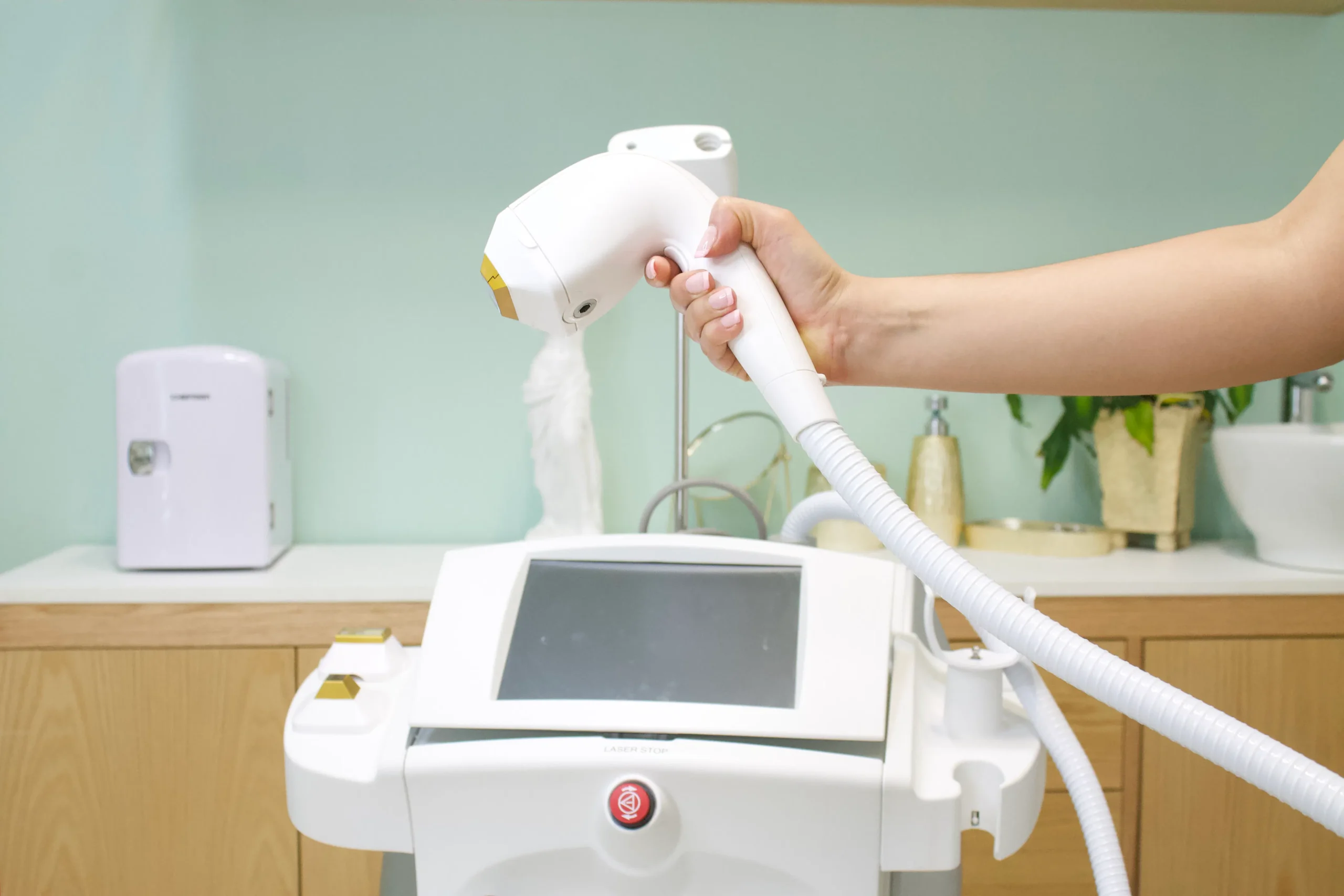
What is laser waxing and why it matters for 2026
Think of laser waxing as waxing with a long-term strategy: the visible hair is removed while concentrated light targets the hair follicle beneath the skin to inhibit future growth. Unlike traditional waxing, which rips hair from the shaft and leaves the follicle intact, laser-based approaches—often discussed as wax laser hair removal hybrids—work at the root cause of regrowth. Multiple sessions timed to hair cycles (typically every 4–6 weeks) progressively reduce density and thickness, moving many clients toward permanent hair reduction.
As someone who guides clients at Amsterdam Beauty Clinic, I recommend laser waxing when you want fewer maintenance sessions and more predictable outcomes. Our clinic combines state-of-the-art devices and natural, vegan aftercare to minimize discomfort and downtime.
Laser waxing shifts the outcome from temporary smoothness to sustained hair reduction.
Is laser hair removal better than waxing? A practical comparison
Short answer: for long-term results, yes — especially if you value lower ongoing maintenance. Traditional waxing gives immediate smoothness but requires frequent appointments. Laser treatments reduce regrowth over weeks and months and can dramatically cut the total number of hair-removal sessions over time.
Costs vary by area (small areas like the upper lip often start around $100 per session; larger areas $250–$800), but the per-year and lifetime costs can favor laser when you factor in fewer repeat visits. Expect mild redness or stinging after sessions; these side effects typically resolve quickly with proper post-care such as sun avoidance and gentle skincare.
Explore our full service options for professional guidance on suitability and pricing: laser hair removal.
For a deeper look at how this hybrid method performs next year and beyond, see our dedicated overview of laser waxing.
Micro-summary: Laser waxing targets follicles to reduce regrowth over time, offering a more durable path to smooth skin than regular waxing. If you want fewer touch-ups and a route to permanent hair reduction, it’s the practical choice for 2026.
How Do You Prepare for an Optimal Laser Waxing Session?
Before you arrive: the PREP framework for an optimal session
I start every consultation with a simple framework I call PREP — it keeps preparation actionable and repeatable. Laser waxing (laser hair removal) works best when the target follicle is present but the surface hair is short. Follow these steps to make each session safer, faster, and more effective.
P: Patch, plan, and consult
Book a consultation or a patch test if you haven’t had treatment before. Tell your technician about recent sun exposure, tattoos, and any medications (photosensitising drugs and isotretinoin require special timing).
A brief pre-appointment check prevents complications and ensures realistic expectations.
Small summary: disclose meds and skin history; schedule a patch test if new.
R: Resist waxing, plucking, and depilatories
Stop waxing, tweezing, or using hair-removal creams at least 4–6 weeks before. Laser targets the follicle; if it’s been removed, the laser has nothing to target.
Small summary: leave follicles intact—no wax, pluck, or depilatory creams.
E: Expose and shave 24–48 hours before
Shave the treatment area 24–48 hours prior so the laser energy reaches follicles, not long surface hair. For bikini laser hair removal, trim and then shave; don’t attempt Brazilian waxing before a session.
Day-of checklist:
- Clean, lotion-free skin (no makeup, deodorant, or sunscreen).
- Wear loose clothing to avoid friction.
- Bring previous treatment records or photos if available.
Small summary: shave, clean, and dress for comfort.
P: Protect your skin pre- and post-session
Avoid tanning and direct sun for 2–4 weeks before and after treatment. Stop topical retinoids 3–5 days prior (or as advised). Plan sessions 4–6 weeks apart — that spacing targets hair in the active growth phase.
Good preparation shortens session time and reduces side effects like redness and pigmentation.
If you’re searching for trusted care or “laser waxing near me,” I recommend checking services at Amsterdam Beauty Clinic to confirm they use up-to-date equipment and vegan post-care options: laser waxing near me. For a full primer on your first visit, see our guide to first laser waxing.
Final micro-summary: disclose, avoid plucking/waxing, shave, protect from sun — repeat every session for the best long-term results.
What Happens During Your Laser Waxing Treatment, Step-by-Step?
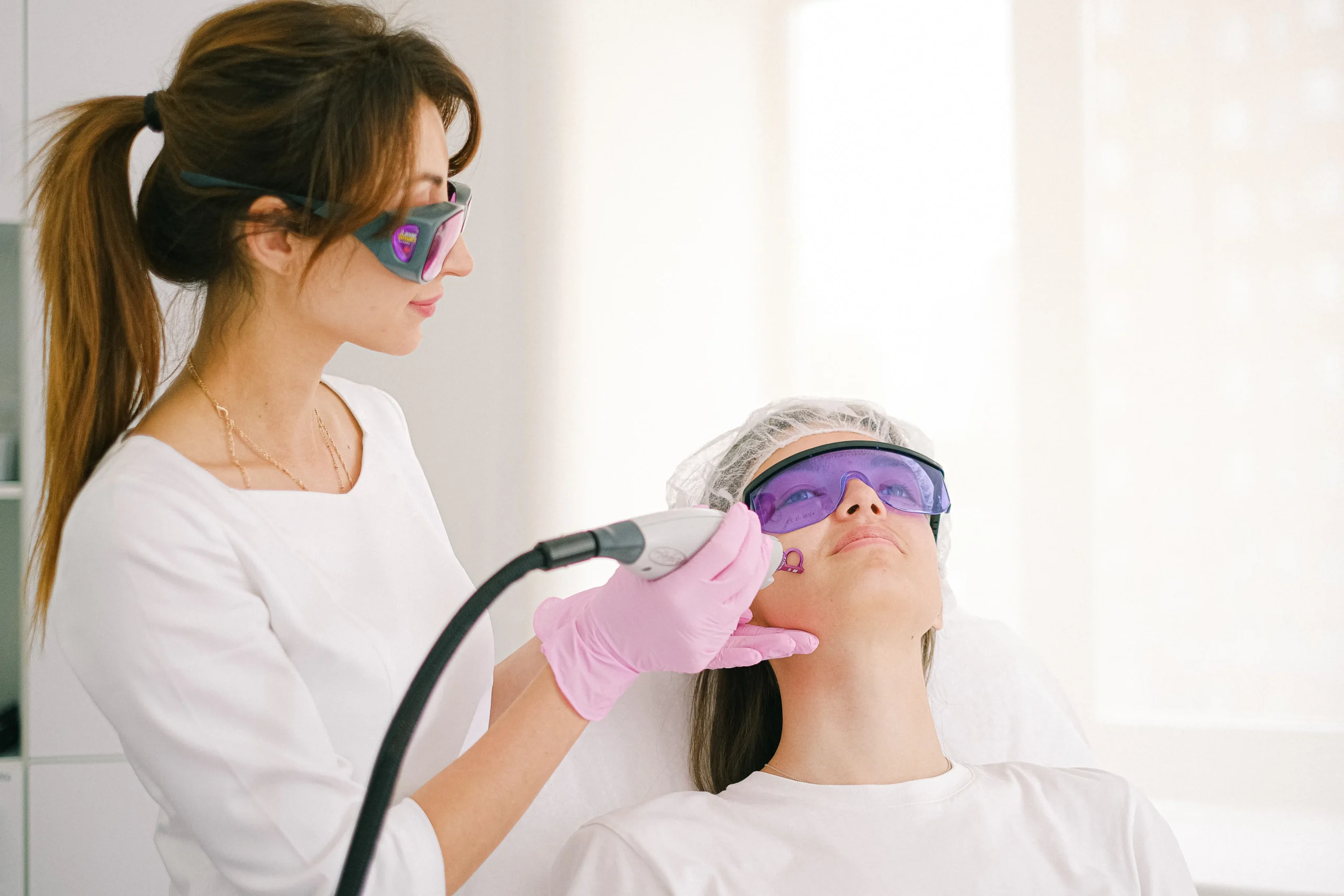
Photo by Anna Shvets on Pexels
Curious what actually happens during a laser waxing session? I’ll walk you through the exact steps so you know what to expect — from the initial check to the moment you leave with smoother skin.
Step 1 — Consultation & patch test
A trained technician reviews your medical history, current medications, and previous hair-removal methods. Skin tone and hair color are assessed to select the right laser settings. For sensitive areas (like a Brazilian), a small patch test confirms suitability.
Step 2 — Prep the treatment area
Your skin is cleaned and any remaining creams or oils are removed. If you haven’t already shaved 24–48 hours before, the technician will trim or shave so the laser can reach the follicle efficiently. For a laser brazilian wax or laser bikini wax this prep is especially important.
Step 3 — Protection & cooling
You’ll wear protective eyewear. A cooling gel or built-in cooling system is applied to the skin to reduce heat and increase comfort. Technicians often mark target zones so treatment is methodical and even.
Cold or cooling is the unsung hero of modern laser waxing — it makes the difference between tolerable and uncomfortable.
Step 4 — Laser application (the core step)
The technician delivers calibrated light pulses to each treatment zone. The laser targets the hair follicle’s pigment and converts to heat, inhibiting future growth. Sensation varies: most clients report quick snaps or a warm stinging feeling rather than continuous pain. Small areas take minutes; bikini and brazilian sessions typically run 15–45 minutes depending on coverage and hair density.
Step 5 — Immediate aftercare
Treated skin may be red or slightly swollen for a few hours. A soothing gel or aloe vera is applied. You’ll be advised to avoid sun exposure, harsh exfoliants, and hot baths for several days.
Step 6 — Follow-up & scheduling
Effective brazilian wax laser hair removal requires multiple sessions spaced 4–6 weeks apart to catch hairs in different growth cycles. Maintenance sessions keep results long-term.
Micro-summary: Laser waxing is a stepwise, clinical process — consult, prepare, cool, laser, soothe, and repeat. If you’re exploring options, consider booking laser waxing at Amsterdam Beauty Clinic to experience state-of-the-art devices and gentle aftercare.
How Can You Maximize Smoothness with Post-Session Care and Long-Term Strategies?
Immediate post-session care (first 24–48 hours)
Your skin leaves the clinic warm and sensitive — the priority is calming inflammation and protecting newly treated follicles. Gently apply a cooling gel or pure aloe vera and avoid hot showers, saunas, or strenuous exercise for 24 hours.
- Cleanse with a mild, fragrance-free cleanser.
- Use a cold compress for short bursts if you feel stinging.
- Skip deodorants, heavy lotions, retinoids, or active ingredients on the treated area for 48 hours.
Cool, simple care reduces redness and speeds comfort.
Short recap: prioritize cooling, gentle cleansing, and no heat or actives for the first two days.
Days 3–14: prevent irritation and support healing
This window matters for comfort and for preventing complications like ingrown hairs. Light moisturizing with a non-comedogenic, vegan product keeps skin supple. Begin gentle exfoliation after 72 hours using a soft cloth or a mild chemical exfoliant (PHA or low-strength AHA) to discourage ingrowns — only if your skin shows no irritation.
- Avoid sun exposure; wear SPF 30+ daily and reapply.
- No waxing, plucking, or depilatory creams — the laser needs follicles intact for future sessions.
- If scabbing or blistering occurs, contact your clinic immediately.
Micro-summary: protect from sun, moisturize, and introduce gentle exfoliation only when skin is calm.
Long-term strategies between sessions (4–6 week cycle)
Consistency is the engine of permanent hair reduction. Schedule follow-up treatments every 4–6 weeks to catch hairs during active growth (anagen) and maintain momentum.
- Shave between sessions to keep skin smooth without removing follicles.
- Use targeted home-care: fragrance-free moisturizers, SPF, and occasional gentle exfoliation to reduce ingrowns.
- Track progress with photos and notes so your technician can adjust settings for better outcomes.
Regular maintenance + good home care = fewer sessions and more durable smoothness.
Micro-summary: shave, protect, and keep scheduled appointments to maximize results.
When to contact your provider
Persistent redness beyond a week, increasing pain, blistering, or pigment changes warrant professional review. For personalised aftercare or to book maintenance, I recommend visiting Amsterdam Beauty Clinic’s comprehensive services page on laser hair removal to align your plan with advanced, minimally discomforting technology.
Final takeaway: calm the skin first, prevent irritation next, and commit to interval treatments for lasting smoothness with laser wax removal and permanent hair reduction.
What Are the Key Tips and Best Practices for Sustained Laser Waxing Results?

Key tips and best practices for sustained laser waxing results
Consistency beats intensity. If you want lasting smoothness, think long game: scheduled, correctly timed sessions plus smart aftercare create compounding gains that shaving or single waxing sessions can’t match.
The P.A.C.E. framework for predictable outcomes
- Preparation: shave 24–48 hours before your appointment, avoid plucking or waxing for weeks, and arrive with clean, lotion-free skin. A proper consultation to assess skin tone and hair type reduces risk and improves efficacy.
- Adherence: stick to a series of treatments spaced 4–6 weeks apart to catch follicles in the active growth phase. This is how you move from temporary reduction to permanent hair reduction over time.
- Care: use cooling gels or aloe immediately after treatment, avoid sun exposure for at least two weeks, and apply a broad-spectrum sunscreen when outdoors.
- Evaluation: track progress and adjust settings or devices if growth patterns change; re-consult if you see pigmentation changes or persistent irritation.
Book treatments with a clinician who understands skin diversity and device selection — technology matters.
Micro-summary: follow a repeatable prep-and-follow-up routine and keep appointments on schedule to convert short-term gains into long-term reduction.
Practical do’s and don’ts (common pitfalls)
Do: exfoliate gently between sessions to prevent ingrown hairs; treat the bikini and Brazilian areas with extra caution and post-care to reduce irritation. Consider specialized sessions for bikini laser hair removal or a laser brazilian wax where appropriate.
Don’t: tan (natural or artificial) before or after sessions, skip patch tests, or switch providers mid-course without transferring treatment records. Expect gradual change — not instantaneous removal.
Small adjustments today save 6–12 months of extra sessions later.
Micro-summary: avoid tanning, maintain gentle exfoliation, and manage expectations — gradual improvement is normal.
If you want expert-guided plans or to compare devices and session pricing, our clinic resources explain options and realistic timelines — see our laser hair removal services at Amsterdam Beauty Clinic for tailored pathways to peak smoothness.
Micro-summary: combine the P.A.C.E. framework, disciplined scheduling, and professional guidance to maximize the longevity of your laser waxing results.
Can You Troubleshoot Common Issues and Understand Laser Waxing Costs?
Quick fixes for common side effects and what they mean
A red, warm patch after treatment is normal — it’s the skin reacting to targeted heat. Swelling, mild stinging, or a sunburn-like sensation usually fades within 24–72 hours. Rarely, pigment changes appear; advanced 2026 lasers reduce this risk but vigilance is needed.
- Redness and swelling: apply a cold compress and gentle aloe vera. Avoid hot showers and intense exercise for 48 hours.
- Itching or tiny bumps (folliculitis): use a mild antiseptic and avoid picking; short-term topical antibiotics may be prescribed if infected.
- Hyperpigmentation or hypopigmentation: protect treated skin from sun and use SPF 30+; consult your technician so they can adjust energy settings in future sessions.
- Persistent pain or blistering: contact your clinic immediately; these are uncommon and usually resolved with topical care.
If you’re unsure whether symptoms are normal, call your provider — early contact prevents complications.
Short micro-summary: Most post-laser issues are temporary; simple cooling and sun avoidance solve the majority.
Understanding laser waxing costs: what drives price and how to save
Laser waxing cost varies widely because price is tied to area size, device, technician expertise, and number of sessions. Expect small areas (like the upper lip) to start around €100 per session, while larger zones often run €250–€800 per session. Multiple sessions (typically spaced 4–6 weeks apart) are required for lasting reduction.
Key cost drivers:
- Treatment area size (bikini vs full legs)
- Machine quality and wavelength range (newer devices can treat more skin tones)
- Technician certification and clinic reputation
- Geographic location and overhead
- Package deals and pre-paid sessions — these lower per-session cost
A Brazilian or intimate area often costs more per session than an arm or underarm due to precision, time, and aftercare needs. For detailed service options at an advanced clinic, check our laser hair removal services or compare specific pricing for your needs on the clinic’s laser waxing cost page.
Short micro-summary: Budget for multiple sessions, prioritize qualified providers, and consider packages to reduce the overall expense.
As an aesthetic specialist at Amsterdam Beauty Clinic, I recommend booking a consultation to map sessions, review expected outcomes, and get an accurate quote tailored to your skin and hair type.
laser hair removal | laser waxing cost
Are You Ready to Embrace Peak Smoothness in 2026?

Photo by Bestbe Models on Pexels
Imagine a future where your skin is not just smooth, but reliably smooth, for months on end. This isn’t a dream; it’s the tangible promise of modern laser waxing when you combine meticulous preparation, advanced technology, and dedicated follow-up. In 2026, optimized laser protocols are accelerating progress toward truly meaningful permanent hair reduction, significantly reducing both downtime and discomfort.
Laser waxing is not a one-off fix; it’s a strategic series of sessions designed to target the hair follicle and inhibit regrowth. You’ll typically undergo multiple appointments, spaced 4–6 weeks apart. While costs are predictable—small areas from about $100; larger areas $250–$800—the true value lies in the post-care routine that protects your results: diligent sun avoidance, gentle products, and measured exfoliation.
Your Path to Lasting Smoothness
To maximize your laser wax removal journey, remember these core principles:
- Prepare: Shave 24–48 hours before your session. Crucially, avoid plucking or traditional waxing in the weeks leading up to treatment, as the laser needs the hair follicle intact to be effective.
- Commit: Consistency across your scheduled sessions is the single biggest predictor of long-term success. Skipping appointments can compromise your results.
- Protect: Sunscreen and cooling gels are just as vital as the advanced device used. Protect your skin to ensure optimal healing and lasting smoothness.
Small practices yield big results — consistency beats intensity every time.
Practical Benefits and What to Expect
You’ll confidently trade the hassle of frequent waxing for fewer, more effective laser treatments. Side effects are typically mild and temporary, such as transient redness or slight swelling. Rarer issues like pigment changes are significantly less common with the newer devices specifically engineered for a wider spectrum of skin tones.
Consider laser wax removal not just a treatment, but a strategic investment in your time and confidence. The payoff? Fewer ingrown hairs, dramatically less maintenance, and a streamlined beauty routine that truly simplifies your life.
Micro-summary: Follow the prep guidelines, commit to your session schedule, and diligently protect your skin between treatments to unlock the maximum payoff from your permanent hair reduction.
Take Action with Expert Support
If you’re ready to transition from constant upkeep to enduring smoothness, choosing the right clinic is paramount. Seek out a practice that pairs advanced equipment with highly experienced technicians and prioritizes vegan, gentle aftercare. For a personalized plan and professional guidance, explore comprehensive laser waxing services at Amsterdam Beauty Clinic. We combine state-of-the-art technology with natural products to ensure your process is both comfortable and exceptionally effective.
Final thought: With realistic expectations, proper preparation, and the right partner, 2026 can truly be the year you achieve peak smoothness through thoughtful permanent hair reduction.
Ready to embrace unparalleled smoothness? Discover the advanced laser hair removal and skin treatments at Amsterdam Beauty Clinic and begin your journey to lasting results.
Frequently Asked Questions About Laser Waxing
What’s the main difference between laser waxing and traditional waxing?
Laser waxing uses concentrated light to target and destroy hair follicles, leading to permanent hair reduction over time. Traditional waxing, on the other hand, removes hair from the root temporarily and requires frequent sessions.
How many laser waxing sessions do I typically need for permanent hair reduction?
The number of sessions varies per individual, but most people require between 6-8 treatments spaced a few weeks apart. This phased approach ensures that hairs in different growth cycles are targeted effectively for optimal long-term results.
What are the benefits of choosing laser waxing over other hair removal methods?
Laser waxing offers significant long-term cost savings, drastically reduces ingrown hairs, and provides smoother skin with less maintenance compared to shaving or traditional waxing. It’s an efficient solution for permanent hair reduction.
How should I prepare my skin before a laser waxing session?
Before your session, avoid sun exposure, tanning beds, and certain hair removal methods like plucking or waxing for at least 4-6 weeks. Shaving the area 24 hours prior is usually recommended to allow the laser to target the follicle effectively.
What kind of aftercare is recommended post-laser waxing treatment?
After treatment, avoid hot showers, saunas, and strenuous exercise for 24-48 hours. Keep the treated area moisturized and protected from the sun. Gentle exfoliation can help prevent ingrown hairs as new hair attempts to grow.
Is laser waxing more expensive than traditional waxing in the long run?
While the initial investment for laser waxing might seem higher, it often proves more cost-effective over time. The permanent reduction in hair growth means fewer treatments and less money spent on ongoing waxing or other temporary methods.