What is Laser Waxing and Why is it the 2026 Standard for Smoothness?
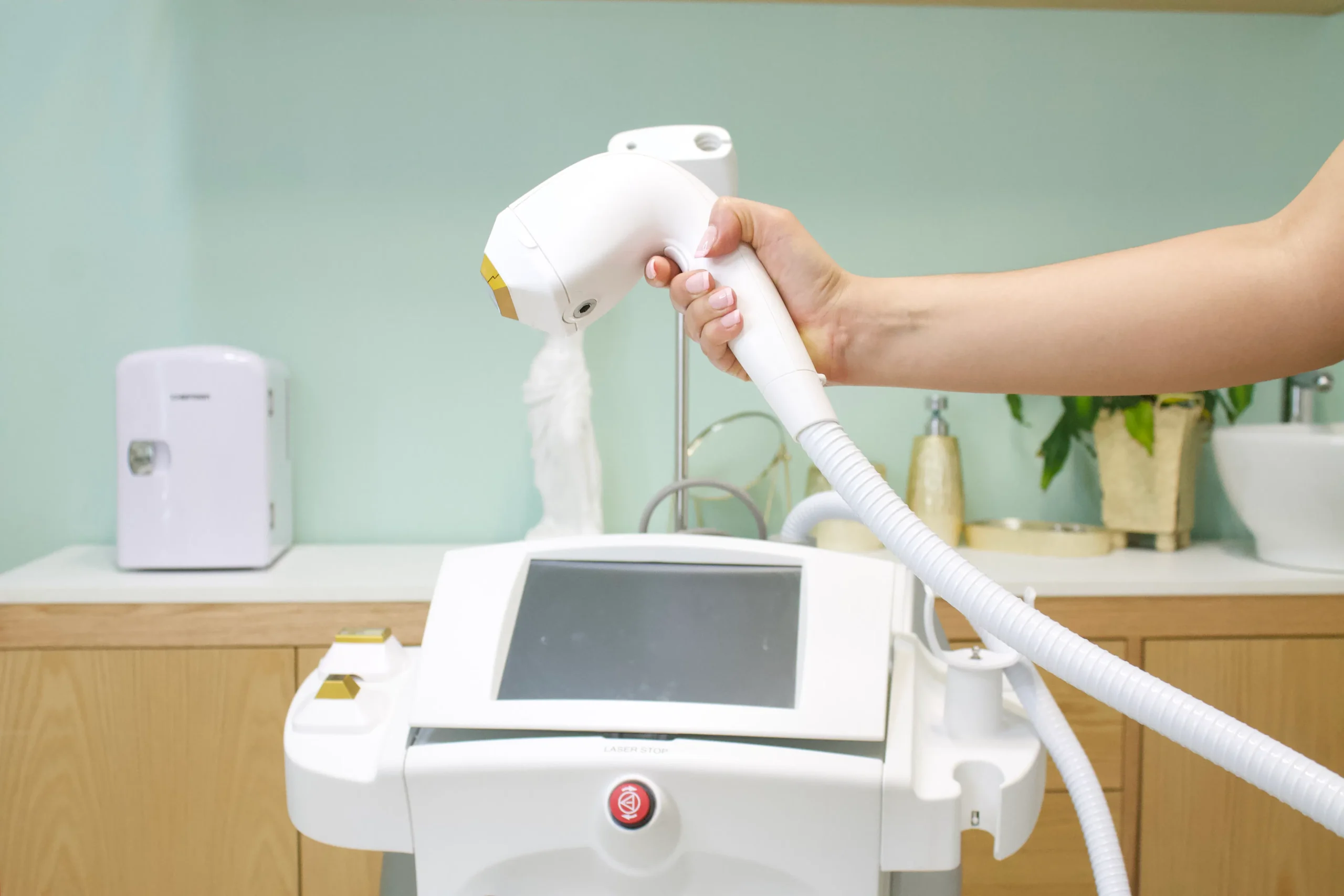
Think of traditional waxing as a sprint and laser waxing as a long-distance strategy for smooth skin. In 2026 the term “laser waxing” is commonly used to describe laser hair removal—a science-driven approach that targets hair at the follicle rather than just removing the shaft.
Laser hair removal works by emitting pulses of light absorbed by pigment in the hair follicle; that light converts to heat and disables the follicle’s ability to regrow hair. Because hair grows in cycles, multiple sessions are required to catch follicles during their active phase. The result: longer-lasting smoothness and measurable permanent hair reduction when compared with repeated waxing or shaving.
Why it’s become the 2026 standard:
- Precision: modern systems target follicles with refined wavelengths and built-in cooling to protect skin and reduce discomfort.
- Comfort: advanced cooling and pulse control mean less pain than older lasers—closer to a snapping sensation than prolonged burning.
- Broader suitability: newer lasers handle a wider range of skin tones and hair colors than before.
- Real results: clinics report steady declines in regrowth after a series of sessions, translating into fewer maintenance visits over time.
Costs vary by area and provider—expect roughly $200 to $900 per session depending on the treatment zone and locale. Common targets are bikini (Brazilian), legs, underarms, and face.
At Amsterdam Beauty Clinic we combine state-of-the-art equipment with natural, vegan products and practitioner expertise to minimize discomfort and maximize outcomes. If you’re weighing options for lasting smooth skin, a consultation can map a realistic course toward permanent hair reduction.
Bold truth: laser waxing delivers sustained smoothness by treating the root cause—hair follicles—not just the hair you can see.
In short: laser waxing (laser hair removal) is the modern, evidence-based route to smoother skin in 2026—fewer sessions over time, better comfort, and lasting reduction in hair growth. For an in-depth guide to optimising sessions, see our take on laser waxing.
How Does Laser Waxing Work to Achieve Permanent Hair Reduction?
Think of laser waxing not as magic, but as precise physics + biology working together. The laser targets the hair where it matters most: the follicle. That focused energy converts to heat and disables future growth — which is why we call it a pathway to permanent hair reduction.
The laser waxing mechanism: Target, Convert, Disable
-
Target (hair follicle targeting): Laser devices emit specific wavelengths of light that are strongly absorbed by melanin (pigment) in the hair shaft and follicle. This selective absorption — a principle called selective photothermolysis — allows the beam to zero in on the follicle while sparing surrounding skin.
-
Convert (laser technology → heat): The absorbed light becomes heat. Modern lasers concentrate pulses so the follicle receives enough thermal damage to interrupt the cells that drive hair growth.
-
Disable (long-term effect): Damaged follicles either stop producing hair or produce finer, slower regrowth. Repeating sessions increases the percentage of permanently disabled follicles, which is why multiple appointments are standard.
The result: fewer hairs, thinner regrowth, and a steady move toward permanent hair reduction.
Hair growth cycles matter: only follicles in the anagen (active) phase respond reliably to a laser. That’s why treatments are spaced weeks apart — to catch hairs as they enter anagen. Expect visible reduction after a few sessions and optimal outcomes after a series tailored to your hair and skin type.
At Amsterdam Beauty Clinic, we use state-of-the-art equipment with integrated cooling to minimize discomfort and treat a wider range of skin tones and hair colors safely. We combine this with vegan topical care to soothe skin post-treatment.
Micro-summary: Laser waxing works by hair follicle targeting with laser technology that converts light to heat, damaging growth cells across repeated sessions for lasting reduction.
For practical preparation and session planning, see our guide on optimizing your laser waxing routine: laser waxing. To explore treatments we offer, learn more about our laser hair removal services.
How Should You Prepare for Your Laser Waxing Appointment?
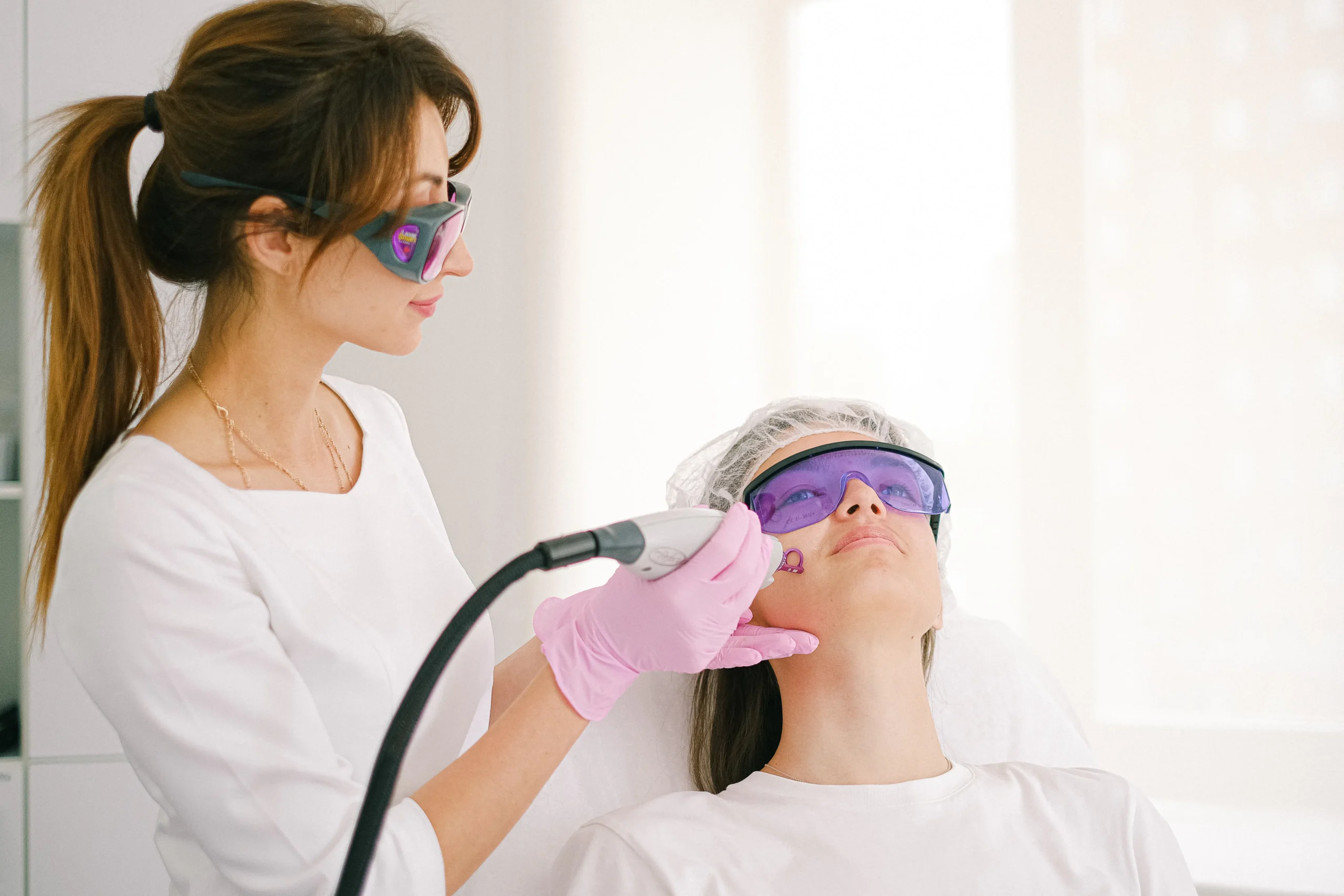
Photo by Anna Shvets on Pexels
Quick preface: why preparation matters
Small pre-appointment choices change comfort, safety, and the effectiveness of your laser waxing treatment. I’ve seen clients get faster, longer-lasting results simply by following a few simple pre-treatment rules.
The essential timeline: what to do 2+ weeks before
- Avoid waxing, plucking, or threading for at least 4–6 weeks. The laser needs the hair follicle in place to work.
- Stop tanning and avoid sunbeds; sun-exposed skin raises the risk of pigment changes. Aim for minimal UV exposure 2 weeks before and after treatment.
- Review medications and topical products with your technician — certain acids, retinoids, and photosensitizing meds should be paused. I recommend checking with your prescriber if unsure.
Micro-summary: Don’t remove follicles or tan — both undermine laser targeting and increase risk.
24–48 hours before: the practical must-dos
- Shave the treatment area 24–48 hours before your session. Shaving leaves the follicle intact while removing surface hair that causes surface burning.
- Skip lotions, deodorants, perfumes, and self-tanners on the day of the appointment. Clean, product-free skin is essential for accurate laser pulses.
- Hydrate and sleep well — well-rested skin tolerates treatment better.
Shaving is preparation, not a replacement for the laser — it helps the device find the follicle without singeing surface hair.
Micro-summary: Shave, come clean, and prioritize rest for a smoother session.
The day of your appointment: what to bring and expect
- Wear loose, comfortable clothing for the treated area (avoid tight underwear or bras after bikini/underarm sessions).
- Bring a list of current skincare products and medications. Inform your technician of recent sun exposure or changes in skin (rashes, infections, pregnancy).
- Expect a consultation and possibly a patch test if it’s your first treatment. Cooling systems and topical anaesthetics can be offered to minimize discomfort.
Pro tips and where to go for reliable care
- Book treatments with a qualified provider and ask about their device and cooling protocols — technology matters for safety and comfort. For trusted, state-of-the-art care and guidance on laser waxing preparation, consider a consultation at Amsterdam Beauty Clinic: laser hair removal.
Micro-summary: Clear communication and the right clinic maximize results and reduce complications. Follow these pre-treatment care steps and you’ll get the most from each session.
What Can You Expect During and Immediately After Your Laser Waxing Session?
A quick snapshot: what the room, the tech, and your skin will feel like
The moment you walk in for a laser waxing session the tone is clinical and calm — a trained technician, a consultation checklist, and a cooling device ready at the machine. Expect a brief patch test if it’s your first time. Sessions are efficient: most small areas take 5–15 minutes; larger zones (full legs or back) can run 30–60 minutes.
Laser waxing sessions are paced around hair growth cycles — you’ll leave knowing when to return.
During the treatment: sensations and timing
You’ll lie comfortably while the technician positions a handheld laser over the treatment area. Modern devices use cooling systems that reduce pain and protect the epidermis. Sensations most people report:
- A quick snapping or rubber-band pop for each pulse. Comfortable machines feel like warm pinpricks.
- Mild heat during longer passes — the cooling tip often counteracts it.
- Brief stinging if you’ve recently tanned or if hair is coarse.
Typical timings by area:
- Face or underarms: 5–15 minutes.
- Bikini laser wax / brazilian wax laser removal: 15–30 minutes depending on coverage.
- Legs or back: 30–60 minutes.
Micro-summary: Expect short, repeated pulses, built-in cooling, and treatment lengths that scale with area size.
Immediately after: skin reactions and what the tech will do
Right after the pass you may see redness, slight swelling, or hair shafts that look like tiny black dots. These are normal and usually fade in hours to a couple of days. The technician will often apply a soothing gel or cold compress and explain your post-laser care steps.
Redness and sensitivity are normal — they’re a sign the laser targeted the follicle.
Practical post-laser care tips (post-laser care):
- Avoid sun exposure and apply broad-spectrum sunscreen to treated areas for at least two weeks.
- Skip hot baths, saunas, and intense workouts for 24–48 hours.
- Use a gentle, fragrance-free moisturizer; avoid retinoids and exfoliants for several days.
- Do not wax or pluck between sessions; shaving is allowed and often recommended.
Micro-summary: Immediate reactions are usually mild and manageable with cooling, sunscreen, and gentle skin care.
If you want a deeper primer on your first visit, see this guide to your first laser waxing appointment and learn about available treatments like laser hair removal at Amsterdam Beauty Clinic.
How Do You Optimize Results and Care for Your Skin After Laser Waxing?
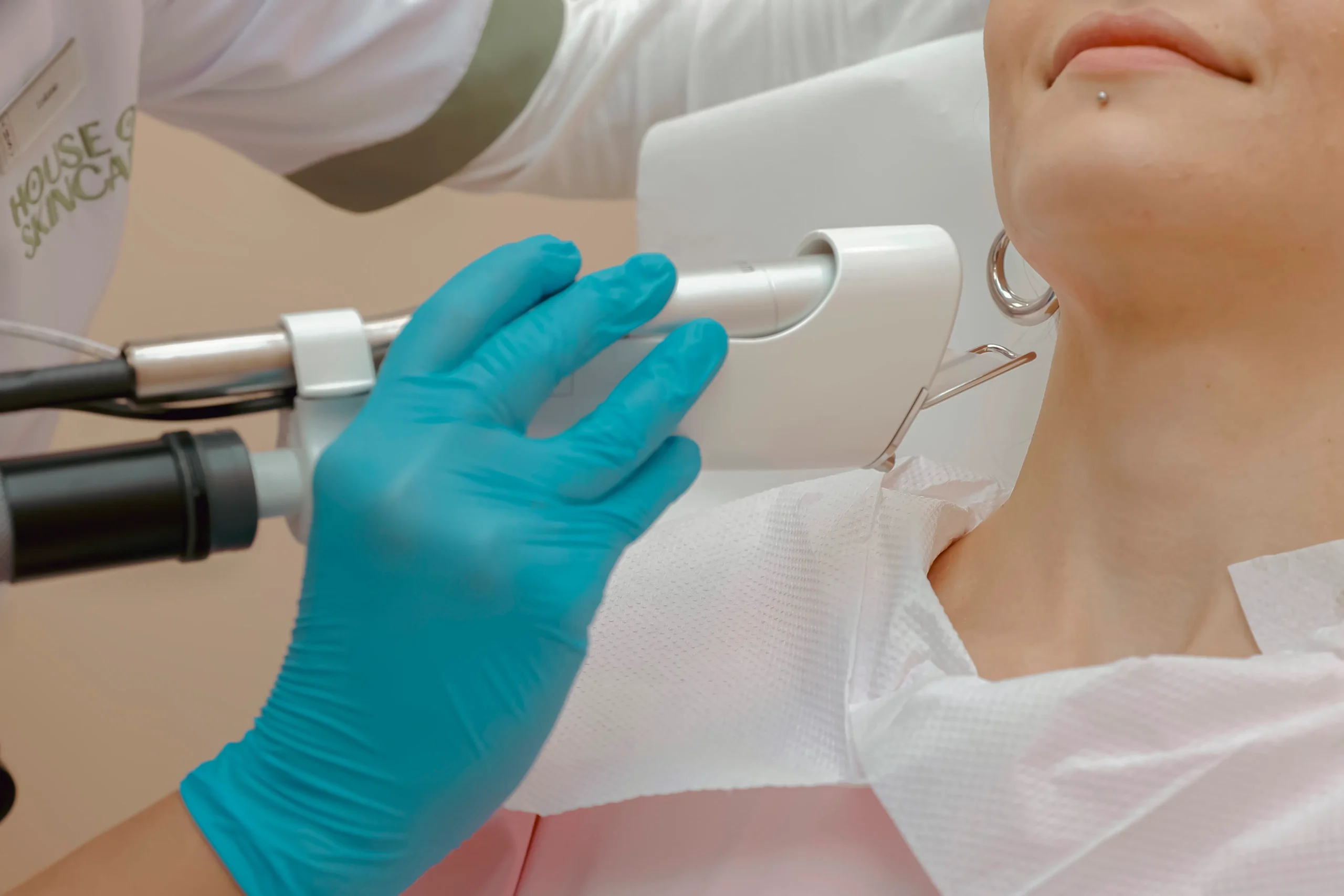
Photo by Khuram Naseem on Pexels
Laser waxing aftercare starts the moment you leave the treatment room — the next 48–72 hours determine comfort and long-term smooth skin maintenance. Treat the area gently, prioritise cooling, protection and simple products.
S.T.E.P. Aftercare Framework (Soothing • Protect • Maintain)
-
Soothing (first 48 hours): apply a cool compress or aloe vera gel to reduce redness and swelling. Avoid hot showers, saunas, swimming pools, and intense exercise for 24–48 hours. If your clinician prescribes a topical steroid for irritation, follow instructions exactly.
-
Protect (ongoing): avoid direct sun exposure and use broad-spectrum sunscreen (Sun Protection Factor (SPF) 30+) daily on treated areas. Sun avoidance lowers the risk of pigmentation changes and preserves results.
-
Maintain (between sessions): keep skin hydrated with a gentle, fragrance-free moisturizer and skip active exfoliants (retinoids, alpha hydroxy acids, benzoyl peroxide) for 3–7 days post-treatment.
Simple, consistent steps after each session significantly reduce complications and keep results looking smooth.
Micro-summary: Cool and protect immediately; hydrate and avoid strong actives while skin recovers.
Practical best practices laser waxing
- Wait 24–48 hours before applying makeup or deodorant on treated zones that feel sensitive.
- Shave between sessions if needed; do not wax or pluck — the laser needs the follicle present to work.
- Schedule follow-up sessions every 4–8 weeks as recommended to match hair growth cycles.
- For persistent redness, use cold compresses and over-the-counter hydrocortisone only with clinician approval.
Micro-summary: Gentle hygiene, timed session intervals, and avoidance of plucking optimize permanence.
When to contact your clinic
If you notice blistering, severe pain, spreading redness, or unexpected pigment changes, contact your provider. At Amsterdam Beauty Clinic we prioritise advanced cooling systems and natural, vegan products to minimise discomfort and promote safe recovery; learn more about our laser hair removal services or read what to expect at your first laser waxing appointment for tailored guidance.
Micro-summary: Report unusual reactions promptly and lean on your clinic for personalised aftercare.
What Are the Common Challenges and How Can You Troubleshoot Laser Waxing Concerns?
Common issues and why they happen
Laser waxing troubleshooting starts with understanding the usual symptoms: temporary redness, swelling, patchy results, or pigment changes. These arise because a laser’s light targets pigment in the hair follicle; skin reaction depends on skin tone, hair colour, device settings, and individual sensitivity. Multiple sessions are needed because hair grows in cycles — missing cycles can look like “ineffective” treatment rather than failure.
Most problems are predictable and manageable with the right protocol.
In short: redness and stinging usually mean normal inflammation; uneven reduction often means missed treatment windows or incorrect settings. Pick a qualified provider to reduce risk. Micro-summary: know the root cause before treating the symptom.
A practical troubleshooting framework (I.C.E.)
1. Identify: document what you see and when it appeared
Note timing (immediate vs delayed), appearance (blister, brown spot, swelling), and prior care (sun exposure, topical retinoids). This tells a technician whether it’s routine inflammation or requires intervention.
2. Cool & Care: immediate steps you can take at home
- Apply a cool compress for 10–15 minutes every few hours for the first 48 hours.
- Use fragrance-free moisturiser and avoid exfoliants for 72 hours.
- Apply broad-spectrum sunscreen when exposed to the sun.
Avoid picking, scrubbing, or using strong actives on treated areas for at least a week.
Micro-summary: gentle cooling and barrier support prevent most minor complications from escalating.
3. Escalate: when to contact your clinic or seek medical care
- Persistent blistering, increased pain, spreading redness, or signs of infection (pus, fever) — contact your clinic immediately.
- New, patchy hyperpigmentation or hypopigmentation that doesn’t improve in 6–8 weeks should be evaluated; some pigment changes respond to topical therapy or adjusted laser protocols.
Preventive tips that matter
Choose a clinic that uses up-to-date cooling systems and customises settings by skin type. At Amsterdam Beauty Clinic we prioritise safety and comfort, pairing advanced devices with vegan, soothing aftercare to reduce side effects.
If you’re unsure what’s normal after treatment, review guidance from your first laser waxing appointment for timelines and red flags: https://amsterdambeautyclinic.nl/your-initial-laser-waxing-appointment-what-to-expect-for-best-results-in-2026/.
Micro-summary: most laser waxing concerns are preventable; early recognition plus the I.C.E. framework resolves most issues without escalation.
Where Can You Find Reputable Laser Waxing Services and What is the Cost in 2026?

Photo by David Selbert on Pexels
Embarking on your journey to permanent hair reduction? The first, and most critical, step is finding reputable laser clinics. In 2026, the leading clinics for laser waxing don’t just offer advanced technology; they pair it with exceptionally skilled technicians and robust aftercare. This powerful combination is your guarantee for minimizing risks, maximizing long-term results, and ultimately achieving the smooth, confident skin you desire.
Your Blueprint for Excellence: The C.L.E.A.R. Checklist for Qualified Providers
Ready to confidently select the perfect clinic for your laser treatments? Our C.L.E.A.R. checklist is your indispensable guide. Apply this simple, yet powerful, framework during your initial search and consultations to ensure you’re finding laser clinics that truly stand out.
- Credentials: Always verify the clinic’s certifications, formal laser training, and comprehensive insurance. Crucially, confirm who will be operating the laser device. It must be a registered, experienced clinician, never a trainee.
- Laser Type: Ensure the clinic utilizes modern, advanced laser systems. These cutting-edge devices should be effective across diverse skin tones and integrate active cooling mechanisms for maximum comfort and safety during your session.
- Experience: Don’t hesitate to request before-and-after photos, especially for your specific target area. Inquire about the technician’s track record with similar cases; proven expertise is paramount for optimal outcomes.
- Aftercare & Packages: A responsible provider offers transparent follow-up policies. Understand their approach to patch tests and whether essential touch-up sessions are included in their packages.
- Reviews & References: Go beyond generic online searches. Seek genuine local reviews, ask trusted friends for recommendations, and examine the clinic’s own case studies. A stellar reputation is a powerful indicator of quality.
When you begin your search, a focused query like “laser waxing near me” is an excellent starting point. From there, apply the C.L.E.A.R. checklist rigorously during your consultations to confidently identify truly reputable providers.
Decoding the Investment: What Influences Laser Waxing Costs in 2026?
Curious about the investment required for smooth, hair-free skin? In 2026, the laser waxing cost can vary considerably. Factors like geographic location, the specific technology used, and the clinic’s expertise all play a role. Understanding these influences is crucial for navigating hair removal salon prices effectively.
Typically, a single laser waxing session might range from $200 to $900. This wide spectrum is influenced by several critical elements:
- Treatment Area Size: Expect larger areas—like full legs or a Brazilian—to incur higher costs than smaller zones such as the upper lip or underarms. It’s a direct reflection of the time and laser pulses required.
- Device Sophistication: Clinics investing in the latest, most advanced laser systems often have higher operational costs, which can influence pricing. However, these cutting-edge devices frequently deliver superior results and enhanced comfort.
- Provider Skill & Clinic Location: Highly experienced technicians and clinics situated in prime urban areas often command a higher price point. This premium typically correlates with unparalleled results and a safer, more professional experience.
- Multi-Session Packages: Most clinics offer significant value through multi-session packages. This is often the most cost-effective long-term approach, as multiple sessions are absolutely essential for achieving complete and lasting hair reduction.
Indeed, most reputable clinics structure their pricing around packages, recognizing that multiple sessions are fundamental for achieving full and lasting hair reduction. Always insist on a clear, itemized quote detailing the number of sessions, along with any potential maintenance or touch-up fees. Absolute transparency in pricing is a definitive hallmark of a trustworthy clinic.
Your Action Plan: Practical Next Steps for Lasting Smooth Skin
Ready to transform your skin? Your next practical step is to book consultations with 2–3 prospective clinics. During these vital meetings, always request a patch test and a comprehensive, itemized quote. This empowers you to thoroughly compare not just prices, but also aftercare guarantees and the overall quality of service.
For an excellent starting point and to explore a full spectrum of advanced services, consider Amsterdam Beauty Clinic. If you’re looking to compare pricing directly and understand the potential laser waxing cost, you can review our dedicated pricing page before booking. To explore all our services or to find a clinic conveniently located for you, a focused search for laser waxing near me will guide you.
Ready for unparalleled smoothness? Discover advanced laser hair removal services at Amsterdam Beauty Clinic and embrace lasting results.
People Also Ask About Laser Waxing
What’s the difference between laser waxing and traditional waxing?
Laser waxing uses concentrated light beams to target and disable hair follicles, leading to permanent hair reduction over time. Traditional waxing removes hair from the root using wax but results are temporary, requiring frequent sessions and potentially causing irritation.
How many laser waxing sessions are typically needed for permanent hair reduction?
The number of sessions varies based on individual hair growth cycles and the area treated, but typically 6-8 sessions are recommended for significant, long-lasting hair reduction. Treatments are spaced several weeks apart to target hairs in their active growth phase.
Is laser waxing painful?
Most people describe the sensation during laser waxing as a rubber band snapping against the skin. While there can be mild discomfort, it’s generally considered much more comfortable than traditional waxing, especially with modern technology and cooling techniques.
What should I avoid before a laser waxing appointment?
Before your appointment, avoid sun exposure, tanning beds, and waxing or plucking the hair for at least 4-6 weeks. Shaving the area 24-48 hours prior is usually recommended to ensure the laser can effectively target the follicle. Avoid applying lotions or perfumes to the treatment area on the day of your appointment.
Can I get laser waxing if I have sensitive skin?
Yes, laser waxing can be a great option for sensitive skin as it reduces the risk of ingrown hairs and irritation associated with other methods. However, it’s crucial to have a patch test and discuss your skin sensitivity with your provider to ensure the best treatment plan.
How much does laser waxing typically cost in 2026?
The cost of laser waxing in 2026 varies depending on the treatment area size, the number of sessions required, and the clinic’s location and technology. Smaller areas like the upper lip are less expensive than larger areas like the legs. Package deals for multiple sessions often offer better value.