What is Laser Hair Reduction and Why Is Everyone Talking About Lasting Smoothness?
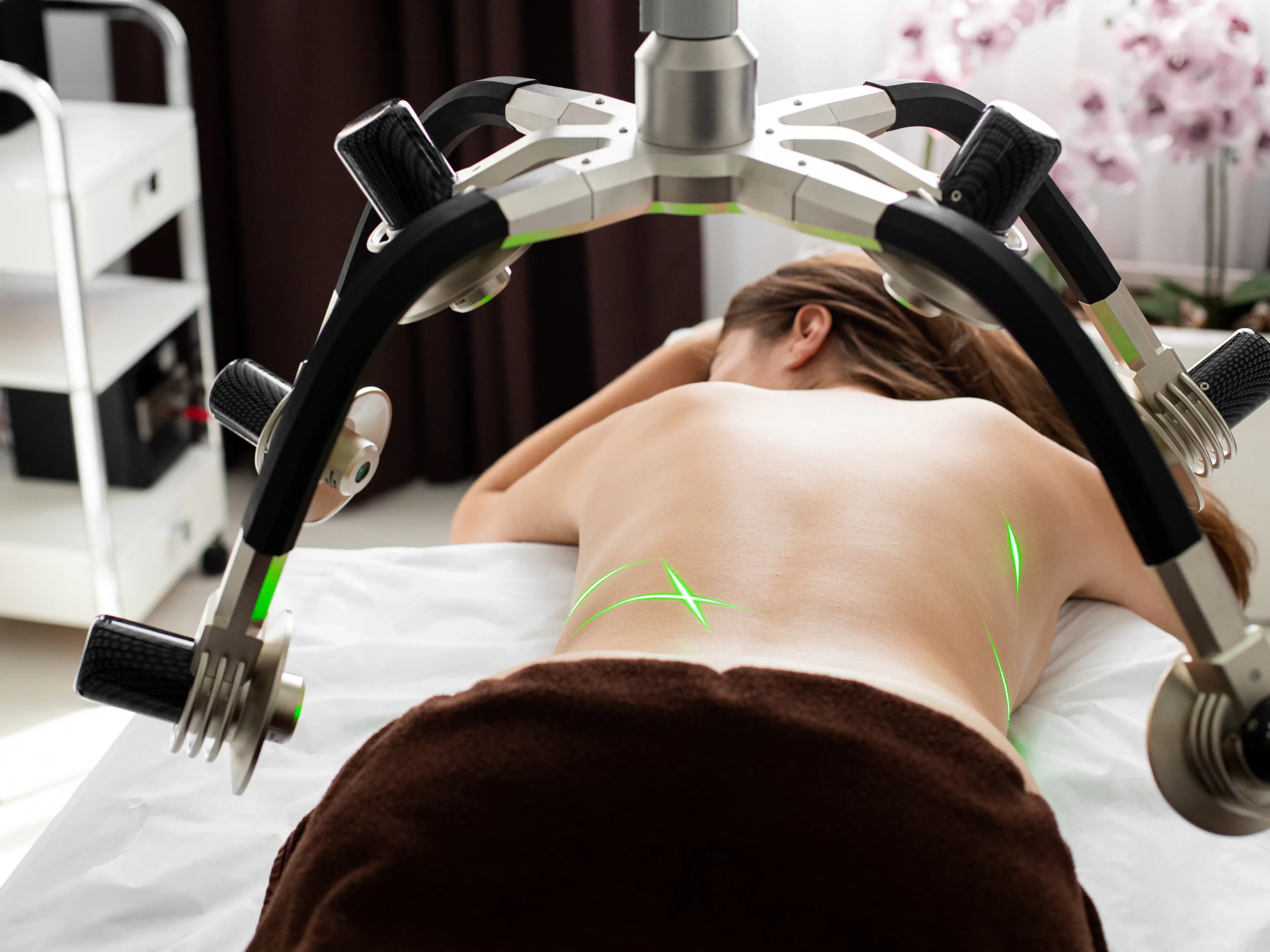
A small revolution is happening in beauty routines: more people are trading daily shaving and monthly waxing for a long-term solution that promises smoother skin and less upkeep. The laser hair removal market is projected to reach $3.7 billion by 2028—a clear sign this isn’t a fad.
Laser hair reduction uses concentrated light to target hair follicles, converting light to heat and disrupting the follicle so it produces less hair over time. Unlike shaving or waxing, which remove hair temporarily, lasers aim for permanent hair reduction by damaging follicles across multiple growth cycles. Typical treatment plans require about 6–8 sessions to catch hairs in every growth phase.
The core appeal is simple: lasting smoothness with fewer maintenance sessions. Lasers don’t just remove hair — they reduce the workload of your beauty routine.
Why people choose it now: the procedure covers common zones like legs, bikini, underarms, and face; sessions are faster and more comfortable thanks to newer technology; and although the average cost ranges from $200 to $900 per session, many find the long-term cost and time savings outweigh repeated waxing or razor purchases.
At Amsterdam Beauty Clinic we focus on advanced, minimally discomforting treatments using state-of-the-art equipment and natural, vegan products. If you’re comparing options, review our laser hair removal services to see how clinical expertise and modern lasers translate into safer, more effective outcomes.
What you’ll gain from this guide: clear explanations of how lasers work, realistic expectations around permanent hair removal, prep and aftercare steps, cost considerations, and tips to maximize results and maintain smooth skin beyond 2025. I’ll walk you through the science, the practical checklist, and when to consult a professional so you can decide with confidence.
In short: laser hair reduction swaps recurring hassle for lasting smoothness—when performed correctly, it’s a powerful path to low-maintenance skin.
How Does Laser Hair Reduction Really Work to Deliver Permanent Results?
How laser energy actually stops hair growth
Why does a light beam make hair thinner for months or years? The short answer is selective heating: a laser emits a specific wavelength that melanin (the pigment) in the hair absorbs, converting light into heat that damages the hair follicle’s growth center. That targeted damage reduces the follicle’s ability to produce new hairs — leading to lasting reduction rather than instant erasure.
Selective photothermolysis is the core principle — target the pigment without frying the surrounding skin.
The three-step framework I use in clinic: Target → Heat → Inhibit
- Target: The laser is tuned to a wavelength that melanin in the hair shaft and follicle absorbs. Different devices (diode, alexandrite, Nd:YAG) are chosen by skin tone and hair color. Diode and alexandrite are efficient for darker hair; Nd:YAG is safer for darker skin.
- Heat: Absorbed light becomes heat concentrated around the follicle bulb and bulge (the stem-cell niche). Controlled thermal damage disrupts the follicle’s ability to cycle normally.
- Inhibit: Damaged follicles either stop producing hair or produce finer, lighter hair. Over multiple sessions we reduce overall hair density.
This framework explains why multiple sessions (typically 6–8) are necessary: the laser only affects hairs in the active growth phase (anagen). Hairs in resting phases evade treatment and must be caught in subsequent sessions.
Micro-summary: Laser hair reduction damages follicles selectively, but timing across hair cycles is why repeat treatments are required.
Permanent hair reduction vs complete removal — what to expect
“Permanent hair removal” is often used as shorthand, but the accurate term is permanent hair reduction. Hormones, genetics and new follicle activation mean a small amount of regrowth can occur over time. The goal — and what delivers the best path to long-term smooth skin — is a significant, lasting drop in hair density and coarseness.
Realistic promise: fewer, finer hairs long-term; rarely absolute forever-blank skin.
Micro-summary: Expect dramatic, lasting thinning rather than guaranteed lifetime hairlessness.
If you want a detailed procedural walkthrough and prep steps, see our practical laser waxing guide or explore professional options for tailored care at Amsterdam Beauty Clinic via the laser hair removal page. For many clients, that combination of technology, scheduling discipline, and proper aftercare is how smooth skin becomes the new normal.
What Essential Steps Should You Take Before Your First Laser Hair Reduction Session?

Photo by cottonbro studio on Pexels
Start with the right consultation — not just a booking
If you treat your first session like a rushed appointment, you’ll risk slower results or avoidable side effects. Book a medical consultation first: discuss your skin tone, hair colour, medications (especially photosensitising drugs), recent chemical peels, and any history of pigmentation or keloids. Clinics that run a thorough consult also offer a patch test to check settings and skin reaction.
At Amsterdam Beauty Clinic I recommend confirming device type and technician training during this visit — those details matter for safety and effectiveness. A clear consult sets realistic expectations about cost (typically $200–$900 per session) and the usual 6–8 sessions needed for optimal results.
Micro-summary: A professional consultation reduces risk and sets a customized treatment plan.
Essential skin and lifestyle prep (2–4 weeks before)
- Avoid sun exposure, tanning beds, and self-tanners. Tan increases risk of pigmentation.
- Stop waxing, plucking, and using epilators — the laser needs the follicle present.
- Pause strong topical retinoids and recent chemical peels; check with your clinician when to restart.
- If you’re on isotretinoin or certain antibiotics, disclose this — treatment may be delayed.
Avoid any deliberate tanning: it’s the single biggest reason for postponed or ineffective sessions.
Micro-summary: Protect your skin tone and leave follicles intact for the laser to work.
24–48 hours before and the day of treatment
Shave the treatment area 24–48 hours before your appointment — close shaving helps the laser target the follicle while minimising surface singeing. Do not wax or pluck between sessions. On the day: arrive with clean skin (no lotions, deodorants or makeup), wear loose clothing, and bring any medications or skincare notes.
Smart questions to ask at your first visit
- Which laser model will you use and is it suitable for my skin tone?
- How many sessions do you estimate for my area?
- What pre- and post-care should I follow?
- Can I see before/after photos or client reviews?
- What are full pricing and package options?
For a deeper pre-treatment checklist and step‑by‑step guidance, see our laser waxing guide. If you’re searching locally, treat searches like “laser waxing near me” as a starting point — then prioritise verified clinics with medical consultations, such as Amsterdam Beauty Clinic, when choosing a trusted hair removal salon.
Micro-summary: Proper consultation, sun avoidance, shaving timing, and the right questions power safer, faster results for your laser hair reduction preparation.
Can You Really Achieve Smooth Skin? What Happens During a Laser Hair Reduction Treatment?
What to Expect: Session by Session
Achieving truly smooth skin requires understanding the journey, not just the destination. Laser hair reduction is a precise sequence: an initial consultation, followed by targeted treatment sessions, and finally, maintenance. Each visit is designed to progressively inhibit hair follicles, building upon the last for optimal results.
Your journey begins with a thorough consultation. A skilled technician will meticulously assess your skin tone, hair color, and medical history. Often, a small test patch is performed to pinpoint the safest and most effective laser wavelength and settings for your unique profile. This personalized approach is crucial for both safety and efficacy.
Modern laser hair reduction utilizes advanced handheld devices that deliver concentrated light directly to the hair follicle. This fundamental mechanism is consistent, whether you’re considering a professional laser waxing guide or comparing it to traditional waxing methods. The goal remains the same: precise follicle targeting.
The Typical Session: Step-by-Step
A standard laser hair reduction session is a streamlined process designed for efficiency and comfort:
- Preparation: The treatment area is thoroughly cleansed and shaved 24–48 hours prior. This ensures the laser energy is optimally directed to the hair follicle beneath the skin’s surface, not wasted on external hair.
- Protection & Comfort: Both you and your technician will wear specialized eye protection. A cooling gel or advanced cold-air device is applied to the skin, significantly minimizing discomfort during the procedure.
- The Laser Pass: The technician expertly glides the laser device across the targeted area, using precise, overlapping passes. During this, you might perceive a soft clicking sound or a sensation akin to a quick snap or sting.
- Post-Treatment Check: Immediately following the passes, the skin is carefully inspected for any reactions. Further cooling and a soothing gel are applied to reduce any temporary redness or sensitivity.
Session duration varies, typically ranging from 10 to 45 minutes, largely dependent on the size of the treatment area. Smaller zones, like the upper lip, are remarkably quick, while larger areas such as full legs require more time. Post-treatment, it’s normal to experience mild redness and slight swelling, which generally subsides within a few hours to 48 hours. This minimal downtime is a significant advantage over more aggressive hair removal methods.
Sensation and Downtime
Many describe the sensation during a laser session as a series of quick, tolerable rubber-band snaps, accompanied by a brief, mild warmth. Thanks to continuous advancements in laser technology and integrated cooling systems, treatments today are considerably more comfortable than those of previous decades.
For those familiar with the experience of an amsterdam waxing, laser hair reduction sessions typically feel less abrasive. Crucially, they eliminate the repeated trauma to the skin that often leads to painful ingrown hairs, offering a smoother, more comfortable alternative.
Number of Sessions and Realistic Timeline
The cyclical nature of hair growth necessitates multiple laser hair reduction sessions. Typically, clients require 6–8 treatments, spaced 4–8 weeks apart for body areas. Facial treatment schedules might be slightly closer together. This recommended range aligns with both clinical best practices and industry averages, ensuring optimal and lasting results. Patience and consistency are key to disrupting the hair growth cycle effectively.
Each session strategically targets hair follicles in their active growth phase. You can anticipate a relatively short, tolerable procedure, minor immediate redness, and a comprehensive program of 6–8 treatments designed for significant, lasting hair reduction.
To develop a professional, personalized plan tailored specifically to your skin and to explore the best options for achieving lasting smoothness, we highly recommend consulting Amsterdam Beauty Clinic’s laser hair removal. For insights into at-home continuity and essential maintenance tips between your professional appointments, refer to this comprehensive guide to lasting smooth skin.
How Can You Maximize Your Laser Hair Reduction Results and Maintain That Smoothness?

Start with recovery: the first 48–72 hours matter
The minutes and days after a session set the tone for long-lasting smoothness. Treat treated skin like a healing wound: keep it cool, calm and protected.
- Apply a cool compress for short intervals to reduce redness. Use fragrance-free, soothing gels (aloe vera or calendula) if your technician recommends them.
- Avoid hot showers, saunas, heavy exercise and hot tubs for 48 hours — heat increases inflammation and pigment risk.
- Skip deodorants, perfumes or active topicals (retinoids, strong acids) on treated areas until irritation subsides.
Small habits right after treatment dramatically reduce downtime and complications.
In short: protect, cool, and avoid heat or active products for the first few days.
Between sessions: routines that preserve results
Follow a predictable, simple routine between appointments to maximize follicle-targeting across hair cycles.
- Shave only — never wax, tweeze or epilate. The laser needs the hair shaft at the follicle to guide energy.
- Exfoliate gently 5–7 days after treatment to prevent ingrown hairs; use a soft scrub or chemical exfoliant only when cleared by your clinician.
- Moisturize daily with a non-comedogenic, fragrance-free lotion; Amsterdam Beauty Clinic favours natural, vegan products that soothe without irritation.
- Maintain the recommended session schedule (typically 6–8 sessions). Missing sessions slows progress and reduces long-term clearance.
Micro-summary: shave, moisturize, exfoliate gently, and keep appointments on schedule.
Sun, sunscreen and pigments: protect relentlessly
Sun exposure increases the chance of pigmentation changes. Avoid direct sun for at least two weeks before and after each session. When outside, apply broad-spectrum SPF 30+ on treated areas every two hours and use barrier clothing.
A practical framework: C.A.R.E. for long-lasting smoothness
- Cool: manage inflammation immediately after treatment.
- Avoid: no waxing, tanning beds, or retinoids around sessions.
- Repair: moisturize and consult your technician for recommended vegan aftercare products.
- Endure: commit to maintenance top-ups (often annual) to preserve long-term smooth skin.
The best long-term results come from consistency, sensible sun protection, and professional follow-through.
If you want a personalized aftercare plan or to discuss maintenance options, learn more about our laser hair removal services at Amsterdam Beauty Clinic or ask your clinician at your next appointment.
Is Laser Hair Removal Better Than Waxing? And What About the Cost?
Is laser hair removal better than waxing? Short answer: for lasting smoothness and fewer long-term sessions, yes — but the decision hinges on your tolerance for upfront cost, your skin and hair type, and the area you’re treating.
Performance: lasting reduction vs temporary removal
Waxing rips hair from the root and gives fast results, but hair returns in weeks and can cause ingrown hairs and repeated discomfort. Laser hair reduction targets follicles with concentrated light, inhibiting future growth. Clinical practice and the market shift (the laser hair removal market is projected to reach $3.7 billion by 2028) reflect that laser delivers a more permanent reduction after the typical 6–8 sessions.
If you want fewer maintenance sessions and less risk of ingrowns, laser wins.
Micro-summary: Waxing = immediate, temporary; laser = progressive, longer-lasting reduction that usually needs 6–8 sessions.
Cost: upfront investment versus lifetime value
Average laser sessions range from $200 to $900 each. That sounds steep compared with a single wax, but multiply weekly or monthly waxing bills over years and the math flips. A simple lifetime-value view: repeated waxing for a year or two often approaches the cost of a laser package, and after a full laser course many clients need only occasional touch-ups.
Compare clinic pricing and packages for laser waxing cost before you book — look for bundles that include the bikini area or underarms to reduce per-area price.
Micro-summary: Higher upfront laser price can translate to lower long-term cost and less hassle.
Practical note on areas like the bikini
If you search for a “laser bikini wax,” know that terminology mixes methods; a true laser bikini treatment reduces regrowth without the repeated trauma of waxing. At Amsterdam Beauty Clinic we pair advanced lasers with gentle aftercare and vegan products to reduce discomfort and deliver predictable results.
Final takeaway: choose waxing for one-off or occasional prep, choose laser when you want durable reduction, fewer ingrowns, and better long-term value.
What Should You Do If You Encounter Issues, and What Does ‘Beyond 2025’ Really Mean for Laser Hair Reduction?

Immediate steps when something feels off
If you notice prolonged redness, blistering, unusual pain, or pigmentation shifts after a session, act quickly rather than waiting. First-line troubleshooting laser hair removal steps: cool the area with a clean cold compress, avoid sun exposure, and stop any exfoliating or active topical products until you speak to your clinician. If symptoms are mild, most reactions resolve within 48–72 hours with conservative care.
- For irritation: clean gently, apply a fragrance‑free emollient; consider a topical hydrocortisone 1% for a few days if advised by a clinician.
- For pigment changes: use broad‑spectrum sunscreen and book a dermatology consult if hyperpigmentation or hypopigmentation persists beyond a few weeks.
- For burns or severe reactions: seek medical attention immediately — do not self‑treat with home peels or aggressive creams.
Always document the reaction (photos + timeline) and contact your clinic.
If results are uneven or hair persists, follow-up options include additional laser sessions (most clients need 6–8 treatments), targeted touch‑ups, or combining modalities such as electrolysis for isolated, light-colored hairs. These are practical fixes rather than failures.
Short summary: quick first aid, consult your provider, and use targeted follow-ups for stubborn areas.
What ‘Beyond 2025’ means for outcomes and safety
Beyond 2025 we should expect safer, more effective devices that improve permanent hair removal longevity and expand suitability across skin tones and hair colors. Advances include smarter cooling, AI-assisted parameter selection, and multi‑wavelength platforms that reduce side effects while shortening session times.
Laser hair reduction safety will improve with standardized protocols, better training, and consumer education. That said, realistic expectations remain: “permanent hair reduction” reduces hair long‑term but rarely guarantees zero regrowth for life — annual maintenance is a common outcome.
For a modern, evidence‑based approach to treatments and safe follow-ups, consult experienced providers like Amsterdam Beauty Clinic and explore their laser hair removal services to match technology and aftercare to your skin type.
In short: respond fast to issues, use proven follow‑ups, and expect steadily improving technology after 2025 that prioritizes comfort and lasting results.
Ready for permanent smoothness? Explore advanced laser hair reduction services at Amsterdam Beauty Clinic and achieve your desired results.
Frequently Asked Questions About Laser Hair Reduction
What is the difference between laser hair removal and laser hair reduction?
Laser hair reduction targets hair follicles to significantly reduce hair growth over time, leading to long-lasting smoothness. Complete removal is rare; most people experience a substantial decrease in hair density and thickness, with some hairs ceasing to grow altogether.
How many laser hair reduction sessions are typically needed?
The number of sessions varies depending on individual hair growth cycles, skin type, and the area being treated. Most people require an initial series of 6-8 sessions, spaced several weeks apart, to effectively target hairs in their active growth phase.
Is laser hair reduction painful compared to waxing?
Laser hair reduction may cause mild discomfort, often described as a rubber band snapping against the skin. However, it’s generally considered less painful than waxing, especially with modern technology and cooling systems used during treatments. Many clients find the sensation manageable.
How much does laser hair reduction typically cost?
The cost of laser hair reduction varies based on the body area, number of sessions, and the clinic’s location and technology. While the upfront cost may be higher than waxing, it often proves more cost-effective in the long run due to the permanent reduction in hair growth.
What should I avoid before a laser hair reduction treatment?
Before your treatment, avoid sun exposure, tanning beds, and self-tanning products for at least 4-6 weeks. Also, refrain from waxing, plucking, or using electrolysis, as these methods remove the hair follicle that the laser targets. Shaving is usually recommended.
Can laser hair reduction be used on all skin and hair types?
Modern laser technology is effective on a wide range of skin and hair types, particularly for dark hair on lighter skin. However, results can vary, and it’s essential to consult with a specialist to determine the best laser type and treatment plan for your specific profile.