What is Laser Waxing, and Why Should You Consider It for 2026?
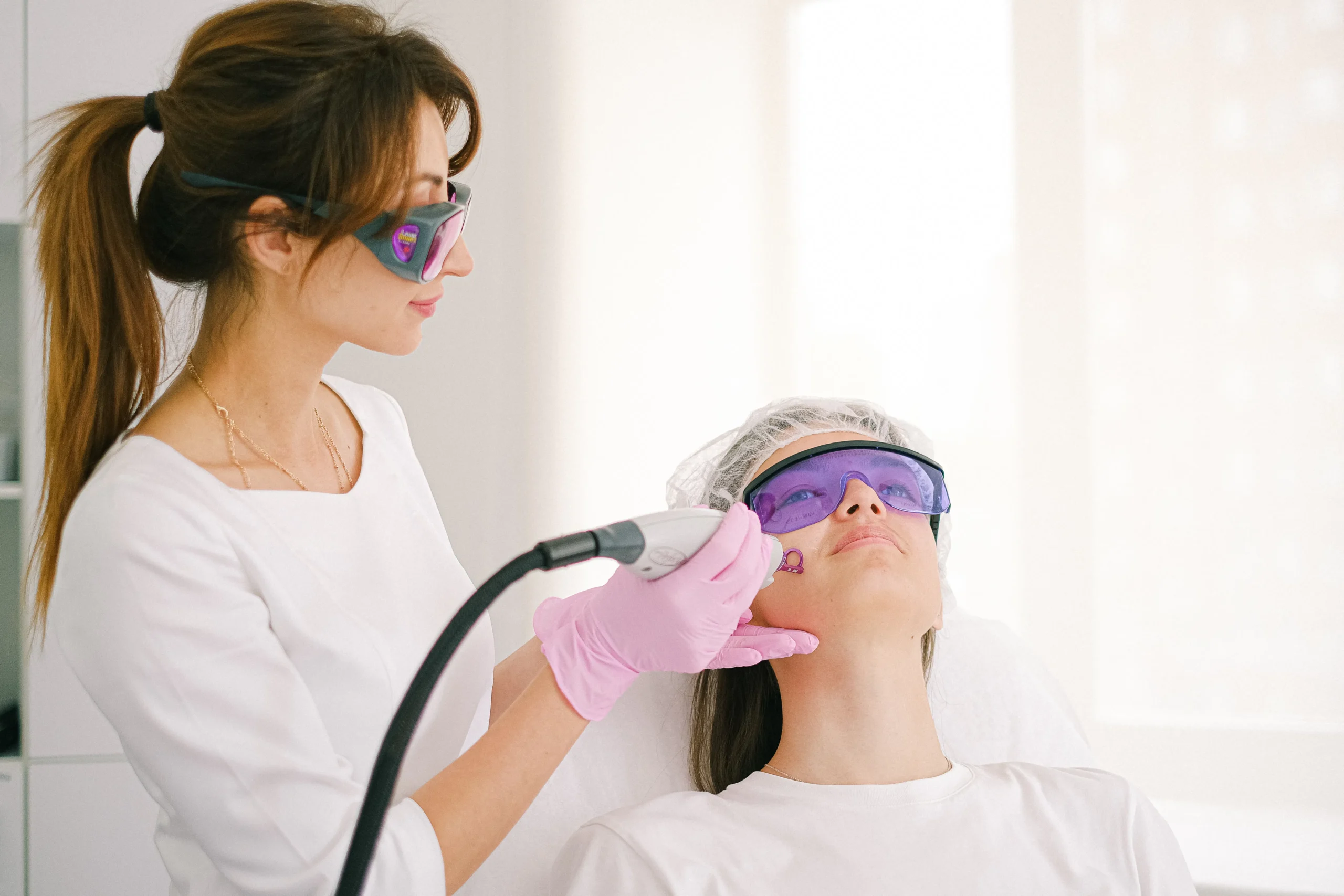
Laser waxing—commonly called laser hair removal—uses focused light to disable hair follicles so they produce less hair over time. Unlike traditional waxing or shaving, this is a longer-term solution: clinical studies and industry data show laser treatments can achieve up to 90% hair reduction with a series of sessions. The global market growth (valued at $1.34B in 2023 and growing toward $3.47B by 2033) reflects how mainstream and effective this has become.
Think of laser waxing as a precision update to hair removal options: it targets the follicle rather than the hair shaft, so the result is reduced regrowth rather than temporary removal. Different lasers—Alexandrite, Diode, Nd:YAG and IPL—are selected based on skin tone and hair color to maximize safety and results.
If you want less upkeep, fewer ingrown hairs, and longer comfort between sessions, laser waxing is worth serious consideration in 2026.
Who this guide serves: anyone weighing hair removal options—from first-timers curious about laser hair removal explained, to seasoned waxing clients ready to upgrade to professional, clinically backed permanent hair reduction.
What you’ll get from this guide: practical laser waxing tips, clear comparisons to traditional waxing, preparation and aftercare essentials, and a realistic timeline for results so you can plan sessions around your lifestyle.
Why it matters now: advances in device speed, precision, and safety have broadened suitability across skin types. At Amsterdam Beauty Clinic we combine state-of-the-art equipment with natural, vegan products to deliver effective, minimally discomforting treatments tailored to you. For a deeper look at professional options and benefits, read our guide to experience uninterrupted smoothness with professional laser hair reduction: permanent hair reduction. To explore services and book a consultation, visit laser hair removal.
Micro-summary: Laser waxing is a targeted, long-term hair reduction method that’s increasingly effective and accessible—this guide will help you decide if it’s the right hair removal path for 2026.
How Does Laser Waxing Actually Work to Reduce Unwanted Hair?
The simple science behind a sophisticated result
Why can a beam of light stop hairs from coming back? Laser waxing uses a focused pulse of light to solve a biological problem: hair is made of melanin-rich tissue that can absorb specific wavelengths and convert that light into heat. That heat damages the hair follicle’s growth center so it can no longer reliably produce a full, pigmented hair. This is the core reason laser treatments can significantly reduce unwanted hair over time.
Key terms and mechanisms you should know
- Selective photothermolysis: the principle that lets lasers heat only the hair follicle without injuring surrounding skin.
- Anagen phase: the active hair growth stage when follicles are most vulnerable to laser energy.
- Wavelength and melanin absorption: different lasers—Alexandrite, Diode, Nd:YAG, and IPL variants—match better with certain skin and hair color combinations.
Lasers target pigment; timing targets results.
Micro-summary: Lasers convert light to heat in melanin-rich follicles; timing (growth cycle) and wavelength determine effectiveness.
Why multiple sessions are necessary: the hair growth cycle
Hair grows in cycles (anagen, catagen, telogen). Only hairs in anagen contain the attached pigment that lets the laser work. Because not every follicle is in anagen at the same time, clinicians schedule repeat sessions to catch dormant follicles as they enter active growth. This iterative approach explains why consistent treatments maximize long-term reduction.
Micro-summary: Hitting follicles in anagen across several sessions is why laser waxing reduces unwanted hair reliably.
How advanced laser technology improves outcomes
Recent advances mean faster pulses, refined wavelengths, integrated cooling, and smarter energy delivery—reducing discomfort and broadening suitability across skin types. These improvements are why modern devices deliver higher efficacy and safety, producing the laser treatment benefits clients expect: faster sessions, less pain, and up to ~90% hair reduction in many cases.
Practical takeaway from Amsterdam Beauty Clinic
At Amsterdam Beauty Clinic we combine state-of-the-art systems with careful assessment of skin type and hair color to select the ideal settings. If you want to learn specifics about treatment options and scheduling, see our laser hair removal services.
Micro-summary: Modern lasers + growth-cycle–timed sessions = predictable, long-lasting hair reduction when performed by experienced clinics.
What Essential Preparations Will Ensure a Successful Laser Waxing Treatment?
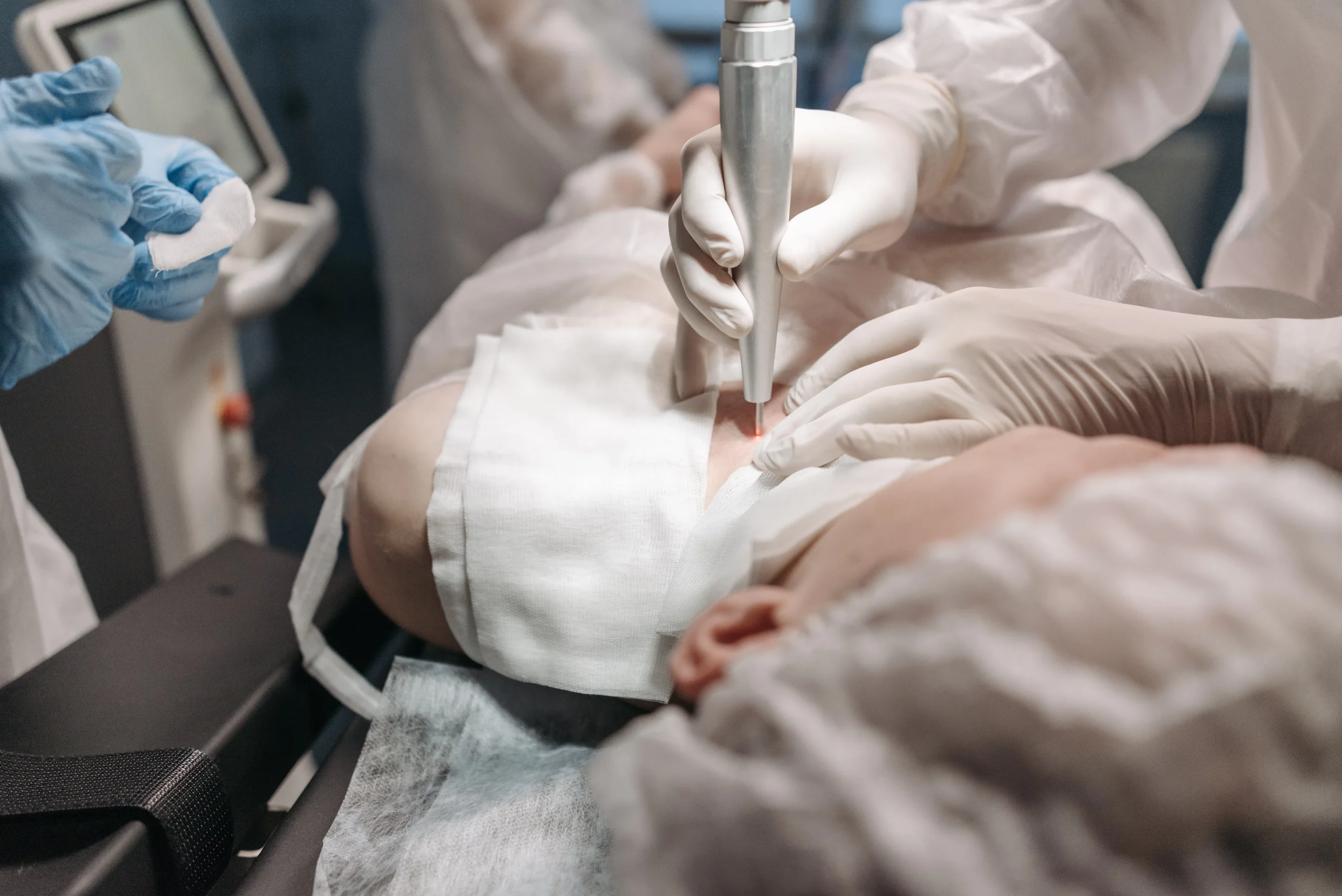
Photo by Pavel Danilyuk on Pexels
Start with a clinical consultation — not a DIY guess
Your treatment begins long before the laser fires. A qualified consultation identifies your skin type, hair color, medications, and any contraindications. Expect a patch test to confirm how your skin reacts and to settle on the safest laser type and settings.
A professional consultation and patch test dramatically reduce risk and improve results.
A quick summary: assessment + patch test = personalized settings and fewer surprises.
Two to four weeks before: control sun, stop plucking, review medications
Avoid intentional tanning and strong sun exposure for at least two weeks (four weeks if you recently used tanning beds). Tanned skin increases the risk of burns and pigment changes. Stop waxing, plucking, or sugaring for 4–6 weeks so the hair follicle remains intact — the laser needs the hair shaft to target the follicle effectively.
Review topical and oral medications with your clinician. Photosensitizing drugs, certain antibiotics, and retinoids can increase side-effect risk. If you’re on blood thinners or have active skin infections, reschedule.
Micro-summary: reduce UV + preserve follicles + check meds = safer sessions.
24–48 hours before: shave, hydrate skin, and skip products
Shave the treatment area 24–48 hours before your appointment; this preserves the follicle while preventing surface hair from burning. Don’t wax, bleach, or use hair removal creams. On treatment day, arrive with clean, product-free skin — no perfumes, makeup, or heavy lotions.
If you’re considering at home laser waxing, perform a careful patch test and follow manufacturer guidance. Home devices can work for small areas, but they require conservative settings and realistic expectations compared to professional systems.
Quick takeaway: a clean, shaved canvas lets the laser work efficiently and comfortably.
Logistics, schedule, and long-term planning
Plan treatments every 4–8 weeks depending on the area and hair growth cycle; consistent sessions are the path to long term hair removal and reliable smooth skin solutions. Bring medical history, avoid intense exercise the day of treatment, and arrange minor downtime if treating sensitive areas.
For peace of mind and expert results, consider treatments at reputable clinics like Amsterdam Beauty Clinic — they combine state-of-the-art devices with vegan care products to optimize comfort and outcomes. For deeper reading on treatment timelines and outcomes, see this laser waxing guide and more on laser hair reduction.
Final micro-summary: prep, protection, and a consistent schedule are the three pillars of successful laser waxing.
The Laser Waxing Process: Step-by-Step for Flawless Results
The Laser Waxing Journey: A Clear Contrast
Unlike traditional waxing, laser hair removal offers permanent hair reduction – a marathon toward lasting smoothness. Expect a clinical setup, calibrated devices, and a predictable sequence from consultation to aftercare.
Understanding Your Laser Hair Removal Session
1. Initial Consultation & Patch Test
Your session begins with a consultation assessing skin type, medical history, and hair growth patterns. A patch test checks reactivity, helping select the ideal laser (Alexandrite, Diode, Nd:YAG, or Intense Pulsed Light (IPL)).
2. Pre-Treatment Preparation
Shave the area 24–48 hours before. This ensures the laser targets follicles effectively without singeing surface hair.
3. Positioning & Protection
In a private clinical room, you’ll receive protective goggles. A cooling gel or device is applied to safeguard your epidermis.
4. Parameter Setting
The technician sets the laser’s energy, pulse duration, and spot size, tailored to your body area, skin, and hair color. Smaller areas (upper lip, bikini) use finer settings; larger areas (legs, back) use faster, wider pulses.
Expect brief, snap-like sensations; most clients describe heat followed by immediate cooling.
5. Treatment Delivery
The laser is applied in overlapping passes. Face and bikini zones require careful, conservative passes; underarms and legs allow faster movement and higher coverage.
6. Immediate Cooling & Assessment
Post-pass cooling reduces redness and swelling. The technician inspects treated follicles and documents settings for future sessions.
7. Post-Care Instructions
For 48–72 hours post-treatment, avoid sun exposure, hot baths, and exfoliating acids. Use soothing lotions, sunscreen, and gentle cleansing.
8. Scheduling Follow-Ups
Because hair grows in cycles, multiple sessions are essential. Your technician provides a personalized protocol, spaced to target hair in its active growth phase, aiming for up to ~90% permanent hair reduction over time.
Laser hair removal at Amsterdam Beauty Clinic minimizes risks and maximizes results. Consistent maintenance, guided by our experts, is key to lasting smooth skin solutions.
For an evidence-driven, comfortable treatment using state-of-the-art equipment and natural, vegan products, explore our full service offerings for laser hair removal at Amsterdam Beauty Clinic.
What Are the Pro Tips & Best Practices for Maximizing Your Laser Waxing Outcome?

Photo by cottonbro studio on Pexels
Pro tips & best practices for maximizing your laser waxing outcome
Start with the schedule: lasers work by targeting follicles in the anagen (growth) phase, so following the recommended session interval is non-negotiable. Book treatments every 4–8 weeks as advised for your area and skin type to catch new hairs as they enter the growth stage.
-
Prep like a pro: shave 24–48 hours before your appointment, avoid plucking or waxing between sessions, and stop self-tanners and strong exfoliants two weeks prior. These simple steps let the laser find the follicle and reduce complications.
-
Aftercare laser hair removal essentials: cool compresses, fragrance-free moisturizers, and daily SPF 30+ for at least two weeks protect healing skin. Avoid hot baths, saunas, and intense workouts for 48 hours.
-
Efficiency hacks that save time and money: bundle larger areas in the same session, track progress with consistent photos, and ask your technician to log laser settings so treatments are progressively optimized.
-
Common pitfalls to avoid: tanning (natural or artificial), skipping sessions, and using retinoids or isotretinoin without clinical clearance. These increase risk of pigmentation changes and reduce effectiveness.
-
Tackle ingrowns and texture: gentle exfoliation between sessions (chemical or soft physical) and topical products with niacinamide or salicylic acid reduce ingrown hairs without irritating treated skin.
-
Maintenance mindset for long term hair removal: expect 70–90% reduction after a full course; occasional touch-ups every 6–12 months are normal. Track results and book maintenance before regrowth becomes dense.
-
When to seek expert advice: prolonged redness, blistering, or unexpected pigmentation changes deserve prompt evaluation.
At Amsterdam Beauty Clinic we pair state-of-the-art devices with natural, vegan aftercare to maximize comfort and outcomes. For service options and tailored plans, explore our laser hair removal services: laser hair removal. If you want local options for finishing touches, see our guide to waxing in amsterdam.
Small, consistent actions—timely sessions, smart prep, and careful aftercare—deliver the biggest gains for long-term hair reduction.
Can You Troubleshoot Common Issues After Laser Waxing, and When Should You Seek Expert Advice?
Troubleshooting common issues after laser waxing — quick fixes and red flags
A few hours to a few days after treatment most people only see mild redness and sensitivity. But knowing what to treat at home and when to call a pro separates a short nuisance from a lasting problem. I use a simple Assess → Treat → Escalate framework in-clinic and I recommend it for post-treatment care at home.
Assess: identify the reaction
- Normal: light redness, slight swelling, a warm sensation, tiny raised bumps. These usually ease within 24–72 hours.
- Mild but persistent: itching, small scabs, or temporary darkening/lightening of skin.
- Concerning (red flags): blistering, spreading rash, pus, severe pain, fever, or pigmentation changes that worsen after two weeks.
If it looks worse the next day, don’t wait—assess and act.
Micro-summary: Most reactions are brief and manageable; watch for blistering, infection, or worsening pigmentation.
Treat: fast, evidence-based post-laser care you can do at home
- Cool compresses for 10–15 minutes every few hours to reduce heat.
- Apply a fragrance-free, aloe-based or hyaluronic-soothing gel; avoid abrasive scrubs for 7–10 days.
- Use broad-spectrum SPF 30+ daily to prevent hyperpigmentation from sun exposure.
- For itching or mild inflammation, a 1% hydrocortisone cream (short term) and oral NSAIDs can help.
- Avoid hot baths, saunas, exercise that causes heavy sweating, and any plucking or waxing of the area.
Micro-summary: Conservative cooling, gentle moisturization, and strict sun protection are the core of effective post-laser care.
Escalate: when to seek expert advice
Contact your clinic or a dermatologist if you have: blistering over a large area, spreading redness/pus, severe pain, fever, or pigmentation/scarring that doesn’t improve in 2–4 weeks. For reactions after using devices at home, stop use and book a consultation — at-home settings can cause burns if misused.
At Amsterdam Beauty Clinic we prioritise safety and use state-of-the-art devices with professional patch testing; if you want guidance on at-home device protocols or a follow-up, book a consultation for personalised troubleshooting and post-care support. For more on our services, see our page on laser hair removal.
When in doubt, seek professional advice — early intervention prevents long-term damage.
Why Is Consistency Key: Maintaining Your Smooth Skin After Laser Waxing?

Photo by Kamaji Ogino on Pexels
Why consistency matters more than one perfect session
You can get an outstanding laser treatment and still lose results without follow-up. Laser hair removal targets follicles during specific growth phases, so a single appointment never equals permanent hair reduction. Multiple, well-timed sessions are the difference between a temporary fix and a lasting, hair free lifestyle.
Hair grows in cycles; lasers work best in the anagen (growth) phase. Missing follow-ups leaves dormant follicles untouched, allowing hair to rebound. Clinically, laser can deliver up to 90% hair reduction when protocols are followed—consistency is the delivery mechanism for that promise.
Small habits between sessions compound into long-term smooth skin solutions.
The 3-step Maintenance Framework: Schedule → Care → Track
-
Schedule: Commit to the recommended series (usually 6–8 sessions) spaced by your technician’s timetable, then move to maintenance laser hair removal every 6–18 months depending on your hair regrowth. I often tell clients that an upfront calendar reduces drop-off and keeps results predictable.
-
Care: Protect treated skin from sun, use gentle exfoliation to prevent ingrowns, and avoid plucking or waxing between sessions—shaving is preferred. Use soothing, vegan-friendly products to support healing; our approach at Amsterdam Beauty Clinic pairs state-of-the-art devices with natural aftercare to minimize downtime.
-
Track: Photograph sessions, note settings and response, and flag any irregular regrowth. Tracking helps your practitioner tailor adjustments—different lasers (Alexandrite, Diode, Nd:YAG) and settings matter for skin tone and hair thickness.
Micro-summary: Book with intention, treat skin kindly, and keep a simple record — that triad sustains results.
When maintenance becomes prevention
Think of periodic touch-ups as prevention: they catch hairs that escape initial cycles and stop texture issues like dark shadowing or frequent ingrown hairs. For many clients, maintenance sessions let them transition from busy hair removal to a true hair free lifestyle.
If you want a trusted starting point, explore our professional options for laser hair removal at Amsterdam Beauty Clinic to compare technologies and aftercare. For local options and complementary services, our guide to waxing Amsterdam also helps you choose safe, effective providers.
Closing thought: Consistency turns technology into transformation. Follow the plan, protect your skin, and you’ll keep the confidence that comes with lasting smooth skin solutions.
Ready for flawlessly smooth skin that lasts? Explore advanced laser hair removal options and start your journey to permanent hair reduction at Amsterdam Beauty Clinic.
Frequently Asked Questions About Laser Waxing
What is the difference between laser waxing and traditional waxing?
Laser waxing, or laser hair removal, targets hair follicles with light energy to inhibit future growth, offering a long-term reduction. Traditional waxing removes hair from the root using wax but results in temporary smoothness and can lead to regrowth within weeks.
How many laser waxing sessions are typically needed for effective hair reduction?
Multiple sessions are usually required because hair grows in different cycles. Typically, 6-8 sessions spaced several weeks apart are recommended to effectively target follicles in their active growth phase (anagen) for up to 90% hair reduction.
Is laser waxing suitable for all skin and hair types?
Modern laser technologies are effective for a wide range of skin and hair types. However, the effectiveness can vary, especially for very light blonde, red, or grey hair, as lasers target pigment. A consultation is crucial to determine the best approach for your specific skin and hair color.
What should I do to prepare for my laser waxing appointment?
Before your appointment, avoid sun exposure and tanning for several weeks. Shave the treatment area a day or two prior, but avoid plucking or waxing. Inform your technician about any medications you are taking and discuss any skin conditions you have.
Are there any side effects after a laser waxing treatment?
Common side effects are usually mild and temporary, such as redness, swelling, or slight discomfort, similar to a sunburn. These typically subside within a few hours. Proper aftercare, as advised by your technician, helps minimize any potential reactions.
Can I use at-home laser hair removal devices instead of professional treatments?
At-home devices are available but generally less powerful and may require more frequent use for less significant results compared to professional treatments. For optimal safety and effectiveness, professional laser hair removal at a clinic like Amsterdam Beauty Clinic is recommended.