What is Laser Waxing and Why is it the Future of Hair Removal by 2026?
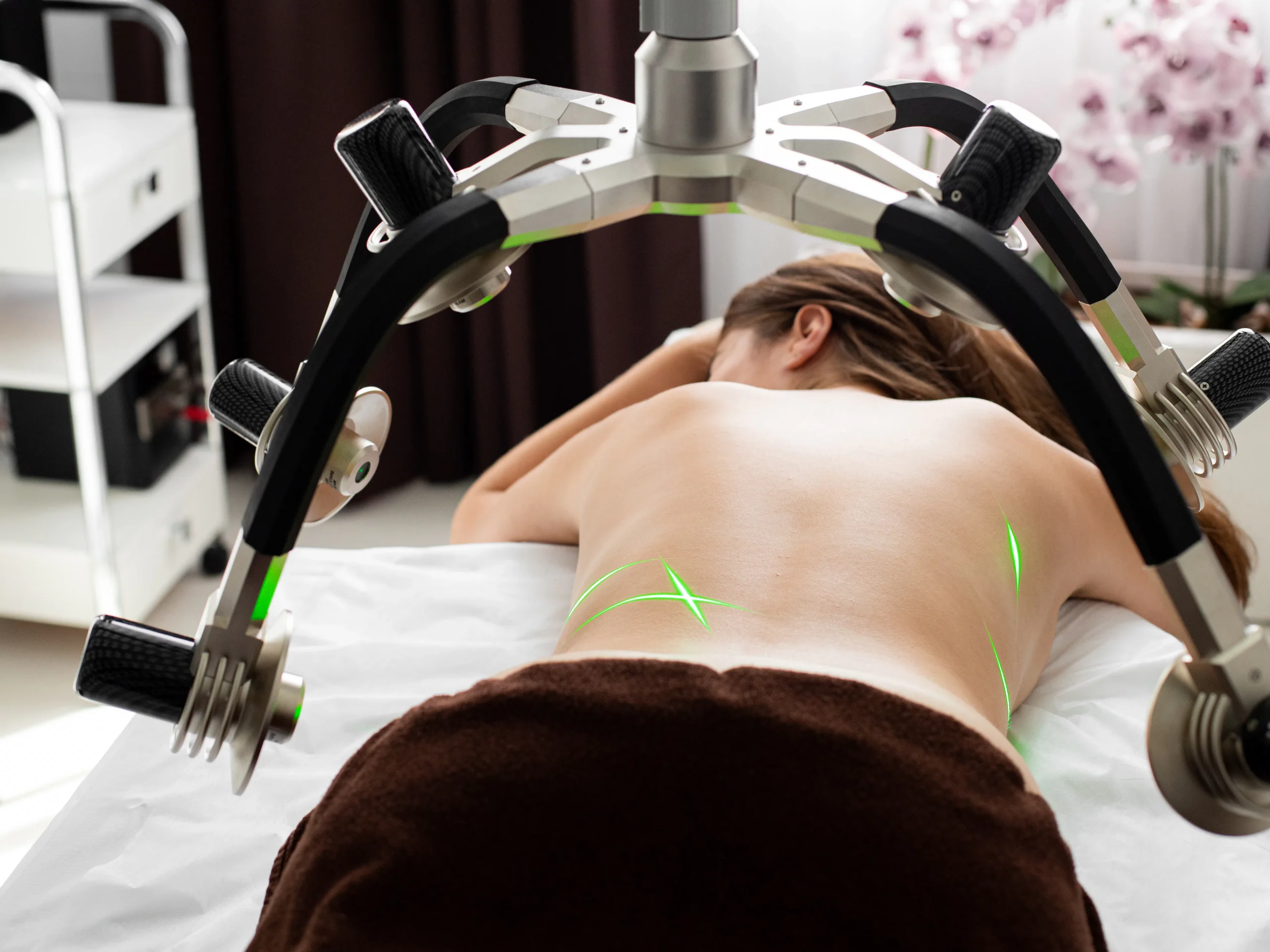
Laser waxing explained: what it is and how it works
Imagine the permanence of laser with the speed of salon waxing — that’s the practical promise behind modern laser waxing. Technically, it’s not a new kind of wax; it’s the consumer-friendly framing of professional laser hair reduction protocols that deliver long-term smoothness without daily shaving. Laser systems use concentrated light to target melanin in follicles (selective photothermolysis), gradually disabling regrowth across multiple sessions. Typical courses run 6–8 sessions spaced 4–6 weeks apart.
Laser waxing moves the conversation from temporary removal to durable hair reduction.
At Amsterdam Beauty Clinic we combine next-generation diode systems and cooling tech to make treatments more comfortable and effective across skin tones. For those comparing options: waxing removes hair from the root but leaves the follicle intact; laser targets the follicle itself, cutting future growth and reducing ingrown hairs and irritation.
Why it’s the future of hair removal by 2026
Market signals back the trend — the global laser hair removal market is projected to reach roughly USD 1.2 billion by 2026 with steep CAGR growth, reflecting demand for time-saving, non razor hair removal solutions. Improved multi-wavelength devices, AI-assisted personalization, and subscription models are driving accessibility and lowering long-term cost compared with repetitive waxing appointments.
Laser waxing explained in practice: fewer repeat visits, smoother skin longer, and less daily maintenance. Micro-summary: laser hair removal trades upfront investment for durable smoothness and fewer lifetime treatments, making it a forward-looking choice for hair-free living.
Find our full service offerings for professional laser hair removal at Amsterdam Beauty Clinic: laser hair removal.
How Does Laser Waxing Work for Permanent Hair Reduction?
Unpacking Laser Waxing: The Science Behind Lasting Smoothness
Laser waxing, more accurately termed laser hair removal in professional settings, presents a sophisticated, long-term solution for achieving enduring smoothness. Unlike traditional, temporary methods that merely remove visible hair, this advanced technique precisely targets and disables the hair’s growth mechanism, leading to permanent hair reduction over time. It’s a fundamental shift from surface-level hair removal to deep, follicle-targeting treatment.
The Precision of Selective Photothermolysis
At the core of effective laser hair removal lies a scientific principle known as selective photothermolysis. This complex term describes a highly precise process where light energy is converted into heat, selectively destroying hair follicles while leaving the surrounding skin unharmed. Understanding this mechanism reveals why laser-based hair removal offers such remarkable results:
- Light Emission: Specialized laser devices emit a concentrated beam of light at a specific, calibrated wavelength.
- Melanin Absorption: This intense light is primarily absorbed by melanin, the natural pigment found within the hair shaft.
- Heat Conversion: The absorbed light energy rapidly converts into thermal energy as it travels down the hair shaft, heating it intensely.
- Follicle Damage: This heat effectively reaches the hair follicle’s critical structures—specifically the hair matrix and bulge region—damaging them sufficiently to prevent or significantly delay future hair growth. This disruption is key to achieving lasting hair reduction.
This intricate mechanism explains why laser hair removal is most effective during the anagen (active growth) phase of the hair cycle. During this stage, the follicle is metabolically active and rich in melanin, making it an ideal target for the laser’s energy. Consequently, since not all hairs are in the anagen phase simultaneously, multiple treatments are essential to effectively target successive growth cycles, ensuring comprehensive and permanent hair reduction.
Why Multiple Sessions Are Key for Permanent Hair Reduction
Achieving permanent hair reduction with laser waxing is a progressive journey, not a singular event. Clinical data and extensive market insights consistently show that a full course of treatment typically requires around 6–8 sessions, ideally spaced 4–6 weeks apart. This multi-session approach is crucial for several compelling reasons:
- Hair Growth Cycles: Hair grows in distinct phases (anagen, catagen, telogen). Lasers are most effective on hairs in the active growth (anagen) phase, which varies for each individual hair follicle.
- Targeting All Hairs: Multiple sessions ensure that every hair follicle is targeted during its most receptive anagen phase, maximizing the treatment’s overall efficacy and leading to more complete long-term hair removal.
- Progressive Reduction: Each subsequent session contributes to a gradual and noticeable reduction in hair density, thickness, and color. Over time, clients observe fewer, finer, and lighter hairs, signifying effective hair growth inhibition.
- Realistic Outcomes: The ultimate goal is significant, long-term reduction, not necessarily the complete removal of every single hair. Occasional maintenance sessions can further help sustain optimal results and extend the period of smooth, hair-free skin.
Laser vs. Waxing: A Fundamental Difference in Hair Removal
Understanding the fundamental distinction between traditional waxing and laser hair removal is vital for anyone seeking effective permanent hair reduction. While both methods aim for smooth skin, their underlying approaches and long-term results differ significantly:
- Waxing: This method physically removes hair from the root. However, it leaves the hair follicle entirely intact, allowing regrowth to resume once the follicle’s natural growth program restarts. Consequently, waxing is a temporary solution and a repeating expense for maintaining smoothness. For those considering traditional methods, exploring Amsterdam’s top waxing salons can provide insight into temporary hair removal options.
- Laser Hair Removal: This advanced technology directly targets the hair follicle itself, interrupting the biological process that produces hair. This fundamental difference is precisely why laser waxing can deliver permanent hair reduction over time, offering a lasting solution compared to the transient effects of waxing.
Bold takeaway: Laser hair reduction is about disabling the hair factory, not merely removing the visible product.
At Amsterdam Beauty Clinic, we combine state-of-the-art multi-wavelength devices and advanced cooling systems with our unwavering commitment to gentle, vegan-friendly aftercare. This ensures maximum comfort and exceptional results for our clients. If you’re ready to learn more about our expert approach to laser hair removal, we invite you to explore our laser hair removal services. We are dedicated to helping you achieve lasting smoothness and confidence.
Is Laser Waxing Truly Better Than Traditional Waxing for Lasting Smoothness?
Quick contrast: laser waxing vs traditional waxing — what actually changes
Which feels smarter long-term: paying frequently for perfect-but-temporary smoothness, or investing up front for sustained reduction? Here’s the practical comparison I use with clients at Amsterdam Beauty Clinic.
The LAST framework (Longevity • Affordability • Sensation • Tone)
I break the decision into four clear criteria so you can weigh immediate comfort against long-term value.
- Longevity — how long will smooth skin results last?
- Waxing removes hair at the root but leaves the follicle intact; regrowth returns every 3–6 weeks.
- Laser hair removal targets the follicle with concentrated light (selective photothermolysis), typically requiring 6–8 sessions spaced 4–6 weeks apart to achieve significant, often long-term hair reduction.
- Market uptake—and improving tech—reflects this: the global laser hair removal market is expanding rapidly, driven by demand for lasting solutions.
Micro-summary: Laser offers longer-lasting reduction; waxing gives reliable short-term smoothness.
- Affordability — immediate cost vs lifetime cost
- Waxing per appointment typically costs $15–$70 per area. It’s low up front but an ongoing expense every month or two.
- Laser waxing price varies widely; average U.S. session cost is around USD 389, and a full course can range from several hundred to a few thousand dollars. Over time, laser often becomes more cost-effective for people who stop waxing regularly.
If you plan to maintain hair-free skin for years, laser frequently pays off despite the higher initial outlay.
Micro-summary: Waxing wins on short-term price; laser often wins on long-term economics for regular maintenance.
- Sensation — pain and comfort
- Waxing can be sharp and immediate because it rips hair from the follicle.
- Laser causes a heating sensation; modern systems and cooling attachments reduce discomfort significantly. Newer diode and multi-wavelength devices have improved comfort and speed.
Micro-summary: Both can be uncomfortable; advances in laser tech reduce sensation and recovery time.
- Tone — skin type suitability and skin texture
- Waxing works across skin tones but can exacerbate ingrown hairs and irritation, especially in sensitive areas like the bikini line.
- Laser used to be limited by high contrast between hair and skin, but 2026-era lasers now perform safely across many skin tones and improve skin texture by reducing bumps and ingrowns.
Micro-summary: Modern lasers are increasingly suitable for darker skin tones and tend to improve overall skin texture.
Final practical takeaway
If your priority is occasional smoothness at low immediate cost, waxing remains a solid choice. If you want durable reduction, fewer ingrowns, and better long-term smooth skin results, laser waxing is generally the smarter investment—provided you commit to a full treatment course.
For a personalised plan using state-of-the-art equipment and vegan aftercare, see our laser hair removal services at Amsterdam Beauty Clinic (laser hair removal). If you still prefer traditional salons, explore local options for waxing in Amsterdam (waxing amsterdam).
What Does a Laser Waxing Treatment Journey Look Like from Start to Finish?
Imagine walking into a hair removal salon and leaving with noticeably smoother skin that keeps improving over months — that’s the realistic path a laser waxing treatment maps out. As someone who guides clients through advanced treatments at Amsterdam Beauty Clinic, I break the process into clear, repeatable stages so you know what to expect.
Stage 1 — Consultation: diagnosis before device
The journey starts with a focused consultation: skin tone, hair color, medical history, medications, and previous hair-removal methods are reviewed. We assess expectations (permanent hair reduction vs. long-term thinning) and choose the best device and wavelength for your skin-hair combination.
If you’re exploring options, ask about device type and cooling systems — modern diode and multi-wavelength lasers make treatments safer for a wider range of tones. Micro-summary: a proper consultation customizes safety and efficacy.
Stage 2 — Preparing for your session
You’ll be asked to avoid sun exposure, tanning products, and certain skincare acids for 2–4 weeks. Shave the treatment area 24–48 hours before your appointment so the laser targets follicles below the surface rather than surface hair.
Preparation is the multiplier of good outcomes — small steps before treatment reduce irritation and improve results.
Stage 3 — The treatment itself
On treatment day we cleanse the area and may apply a topical numbing cream for sensitive zones. Protective eyewear is used, and pulses of laser energy are delivered across the skin. Most sessions last 10–60 minutes depending on area size.
Expect mild, brief discomfort — often described as a snapping sensation — and advanced cooling systems now make this far more tolerable than older devices. Laser waxing typically requires a series of sessions: industry guidance commonly recommends about 6–8 treatments spaced 4–6 weeks apart, though some clinics report effective courses of 3–7 sessions depending on hair cycle and technology. Micro-summary: multiple sessions timed to hair growth cycles are essential.
Stage 4 — Aftercare and interim management
Immediately after, you may see redness or swelling that settles within hours to a few days. Avoid hot baths, intense exercise, and direct sun for 48–72 hours. Use gentle, fragrance-free moisturizers and sunscreen. If stray hairs appear between sessions, shaving is allowed; avoid waxing or plucking.
Stage 5 — Outcomes and maintenance
Over the course of your sessions you’ll notice hair becomes finer, lighter, and sparser — the pathway to smooth skin results. Many clients achieve long-lasting or permanent hair reduction; maintenance touch-ups once or twice a year are common.
Laser waxing trades a higher upfront investment for lasting convenience and fewer ingrown hairs compared with regular waxing.
If you want clinically supported, comfortable treatments using advanced systems and natural, vegan products, explore how our clinic approaches laser hair removal at Amsterdam Beauty Clinic — we tailor every step for optimal, long-term smoothness. laser hair removal
Final micro-summary: consultation, careful prep, a series of targeted sessions, and sensible aftercare are the simple sequence that leads to durable smooth skin and meaningful permanent hair reduction.
How Effective is Bikini Laser for Achieving Smooth Skin?
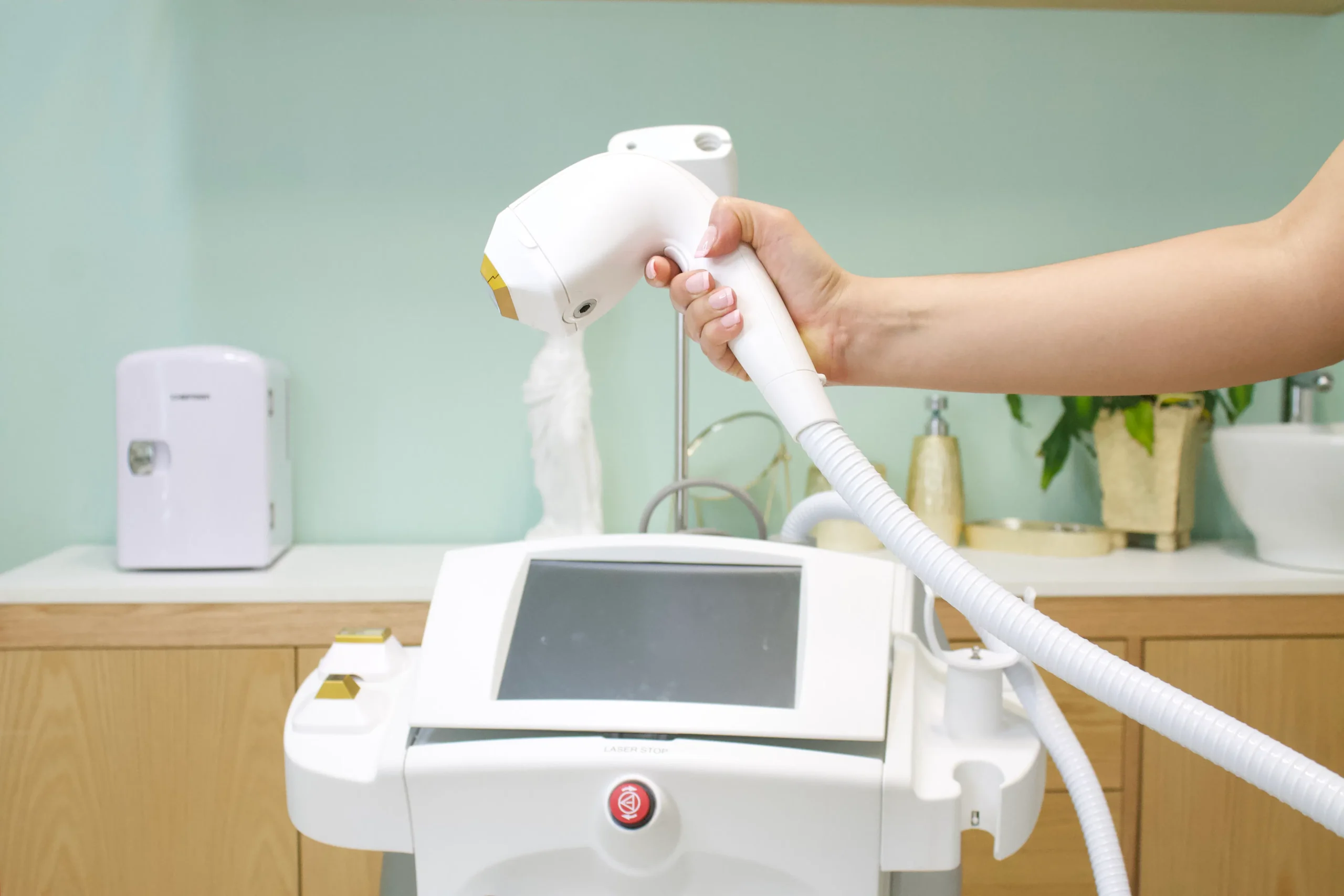
Photo by ANVA Marketing on Pexels
For anyone tired of razor burn, frequent waxing appointments, or persistent ingrowns in the bikini zone, bikini laser delivers a different promise: long-term reduction that changes the maintenance equation. I’ve worked with clients at Amsterdam Beauty Clinic who trade weekly upkeep for occasional maintenance—often for good reason.
Laser targeting works by delivering concentrated light to melanin in the hair follicle. In the bikini area this means the follicle itself is damaged, not just the visible hair—so regrowth is finer, sparser, and often significantly reduced after a full course. Typical treatment plans range from about 6–8 sessions spaced 4–6 weeks apart, though newer multi-wavelength systems in 2026 are shortening that curve for many skin types.
Bikini laser provides smoother skin by reducing hair density and the skin irritation that comes with repetitive waxing or shaving.
Key advantages for the bikini area
- Long-term convenience: fewer sessions over months instead of the continual 3–6 week cycle of waxing. This often translates into long-term cost-effectiveness.
- Fewer ingrown hairs and less follicular inflammation—common causes of bumps and pigmentation in that region.
- Improved texture: skin looks softer and more even once aggressive hair removal routines end.
- Comfort and safety: modern cooling systems and trained practitioners minimize discomfort and risk, especially important for sensitive bikini skin.
Safety and realistic expectations
Bikini laser is effective, but results vary by hair color, density, and skin tone. Dark, coarse hair responds best; lighter hair may need adapted protocols or complementary treatments. Trained technicians and up-to-date devices matter—incorrect settings can cause burns or hyperpigmentation, particularly on darker skin. Newer diode and multi-wavelength lasers improve outcomes across tones, reducing that concern.
Cost and commitment
A full course can be an investment compared with a single wax, but with market growth and technology advances, many clients find the upfront cost worth the long-term freedom. For clinic-level options learn more about our laser hair removal services or compare local salon choices like waxing amsterdam when weighing options.
In short: bikini laser is one of the most effective routes to lasting smooth skin when performed with modern equipment and a clear session plan. It reduces regrowth, calms irritation, and—when maintained properly—keeps the bikini area looking and feeling smoother for months or years.
What are the Latest Advancements in Laser Waxing Technology by 2026?
The last three years have been a step-change for laser waxing — not incremental tweaks but platform-level improvements that make treatments faster, gentler, and more inclusive. At Amsterdam Beauty Clinic I’ve watched next-generation devices move from R&D demos to everyday practice, and the patient experience has noticeably shifted: fewer sessions, less discomfort, and reliable results across a wider range of skin tones.
Multi-wavelength systems and targeted precision
Old vs new: single-wavelength lasers could force trade-offs between efficacy and safety on darker skin. New multi-wavelength systems solve that by combining diode, alexandrite, and Nd:YAG wavelengths in one handpiece — effectively matching energy to hair depth and melanin concentration in real time. That means more precise follicle targeting and fewer side effects.
Result: better outcomes for all skin types and potentially fewer sessions overall.
Short summary: Multi-wavelength lasers improve precision and inclusivity, reducing the number of treatments needed for many clients.
AI-driven diagnostics and personalized protocols
Machine learning now analyzes skin tone, hair density, and previous response to tune pulse duration, fluence, and cooling in milliseconds. Clinics are using AI to create dynamic treatment maps instead of one-size-fits-all settings. This reduces guessing, speeds up consultations, and lowers risk.
Result: personalization at scale — treatments that adapt mid-session for optimal safety and efficiency.
Short summary: AI integration creates more predictable, faster paths to long-term hair reduction.
Comfort-first engineering: cooling, ergonomics, and pain reduction
Improved sapphire and cryogenic cooling, contact sensors, and variable pulse sequencing minimize epidermal heating and perceived pain. Ergonomic handpieces and larger spot sizes cover areas faster, trimming total session time. For clients who compare laser waxing to regular waxing, these comfort upgrades are decisive.
Short summary: Modern cooling and ergonomics make laser waxing markedly more comfortable and time-efficient.
Business-model and accessibility shifts
Beyond hardware, the market is evolving: portable devices, subscription-based maintenance plans, and combination platforms (laser plus skin treatments) are expanding access. As the global laser hair removal market accelerates toward an estimated USD 1.2 billion by 2026, expect more clinics to offer tailored packages that balance upfront cost with long-term value.
How this matters to you
If you’re weighing laser waxing against regular waxing or DIY methods like leg waxing, the future of hair removal is trending toward fewer sessions, broader skin-type suitability, and treatments designed around comfort. For a clinic-standard approach to laser hair removal, learn more about our services at Amsterdam Beauty Clinic through our “laser hair removal” page.
Short summary: By 2026, advanced laser technology — multi-wavelength systems, AI personalization, and comfort innovations — makes laser waxing safer, faster, and more effective for a wider range of people.
For practical at-home prep and ongoing care, our guide to “leg waxing” complements clinical options and helps you choose the right path to smooth skin.
How Can You Achieve Lasting Smooth Skin with Laser Waxing by 2026?
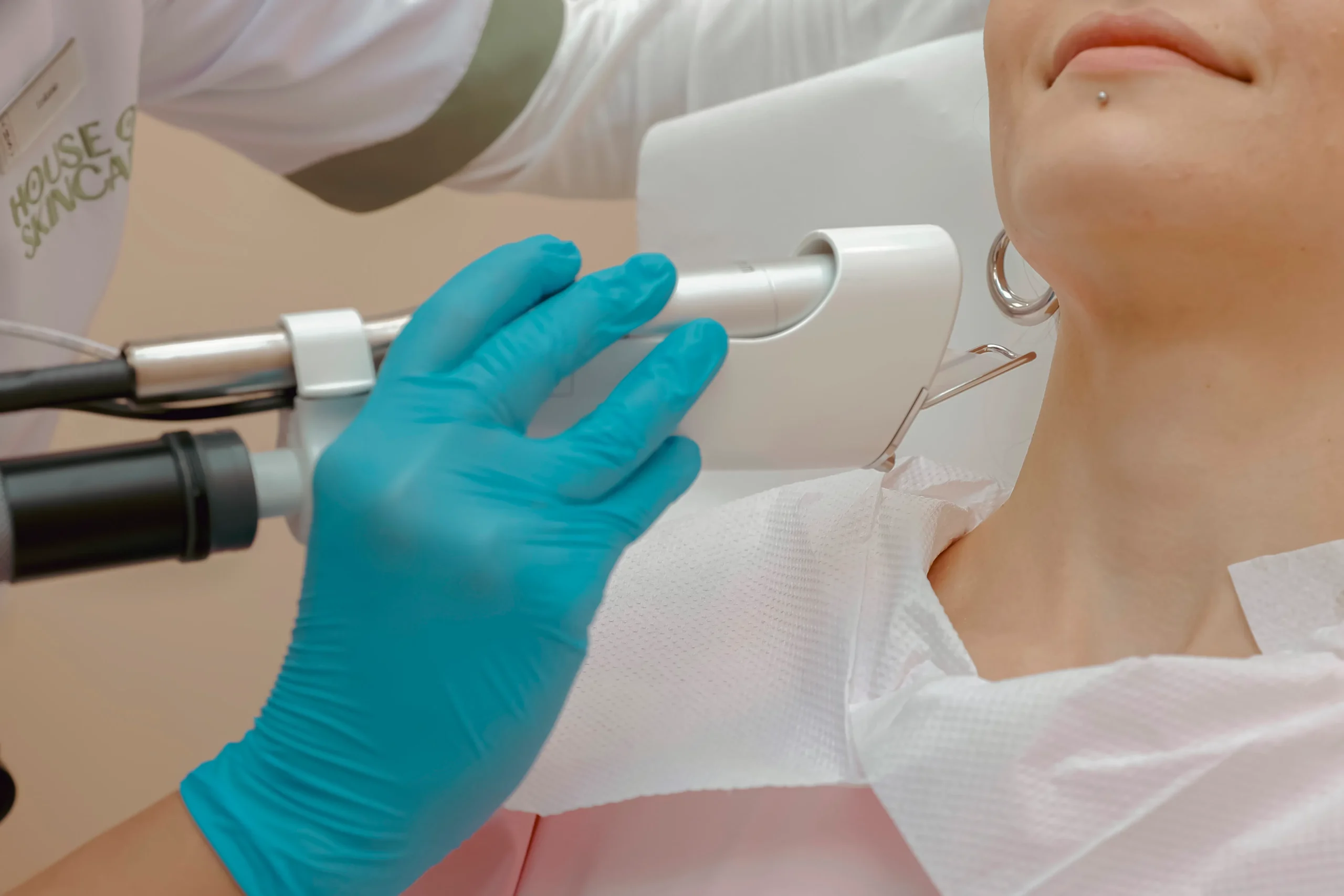
Photo by Khuram Naseem on Pexels
The fastest way to lasting smoothness isn’t a single miracle session—it’s a clear plan. By 2026, laser waxing (professional laser hair removal framed for consumers) gives you predictable smooth skin results when you pair modern devices with the right care and clinic.
Why laser waxing wins for lasting smoothness
Laser systems now target follicles with precision, delivering permanent hair reduction for many clients after a full course. Expect roughly 6–8 sessions spaced 4–6 weeks apart; newer multi-wavelength devices can lower session counts and improve comfort. Think investment now, convenience for years.
Your 3-step action plan to achieve smooth skin results
- Book a consultation: confirm skin tone and hair type, and ask about device type and cooling systems.
- Commit to the protocol: shave (don’t wax) before sessions, avoid tanning, and keep appointments at recommended intervals.
- Plan maintenance: most people need occasional touch-ups—budget for 1–2 annual sessions after the primary course.
Small choices make big differences: consistent scheduling reduces regrowth, and choosing a clinic that uses advanced equipment reduces discomfort and treatment time.
I recommend starting with a trusted provider that emphasizes safety and results—Amsterdam Beauty Clinic offers state-of-the-art treatments and natural, vegan aftercare to support skin recovery and lasting smoothness. Learn more about their full range of services including laser hair removal.
Laser waxing delivers smoother skin, fewer ingrowns, and long-term freedom from frequent waxing—plan, commit, and you’ll see lasting smoothness by 2026.
Ready for a future of effortless smoothness? Discover advanced laser hair removal treatments at Amsterdam Beauty Clinic and achieve lasting results.
People Also Ask About Laser Waxing
What is the difference between laser waxing and traditional waxing?
Laser waxing, or more accurately laser hair removal, uses concentrated light energy to target and damage hair follicles for long-term reduction. Traditional waxing removes hair from the root but doesn’t damage the follicle, leading to regrowth within weeks. Laser hair removal offers a more permanent solution, while waxing is a temporary method.
How many laser hair removal sessions are typically needed?
Most individuals require between 6 to 8 laser hair removal sessions to achieve significant long-term hair reduction. These sessions are usually spaced 4-6 weeks apart to align with hair growth cycles. Maintenance sessions might be necessary for some to maintain optimal smoothness.
Is laser hair removal more cost-effective than waxing in the long run?
While the upfront cost of laser hair removal is higher than waxing, it becomes more cost-effective over time. You’ll save money by avoiding the continuous expense of regular waxing appointments every few weeks for a more permanent solution.
Can laser hair removal be used on all skin and hair types?
Modern laser technologies are increasingly effective for a wider range of skin and hair types, including darker skin tones. Advancements by 2026 include multi-wavelength systems that offer greater precision and safety for all individuals, ensuring effective hair reduction.
What are the benefits of bikini laser hair removal compared to waxing?
Bikini laser hair removal offers a long-lasting solution for smooth skin in the bikini area, significantly reducing the risk of ingrown hairs and irritation often associated with waxing. It provides greater comfort and convenience over time, leading to improved skin texture and reduced need for frequent treatments.
How do new laser technologies by 2026 improve the treatment experience?
Advancements by 2026 include enhanced cooling systems for increased comfort during treatments, more precise lasers for better follicle targeting, and AI integration for personalized treatment plans. These innovations can lead to reduced session times and potentially fewer overall treatments needed for effective hair reduction.