Why is 2026 the Year to Master Your Smooth Skin Journey?
Every beauty moment feels faster and smarter in 2026 — and achieving flawless skin is no exception. Advances in techniques, wider acceptance of male grooming, and safer, plant-based products mean waxing now delivers more reliable, longer-lasting smoothness than ever before.
Professional waxing still outperforms most at-home approaches because estheticians remove hair from the root and use quality waxes to minimize trauma. Regular appointments every 4–6 weeks not only extend your smooth phase but also synchronize growth cycles so regrowth becomes finer and sparser over time. For best results, aim for 1/4–1/2 inch of hair before each session.
Waxing benefits include immediate, full-surface smoothness, predictable scheduling, and reduced irritation when performed correctly. But results depend on preparation and aftercare: exfoliate 1–2 days before, avoid heat and sun for 24–48 hours after, moisturize daily with a lightweight, fragrance-free lotion, and begin gentle exfoliation 2–3 days post-wax to prevent ingrowns.
Bold reality: DIY waxing can save money but carries predictable risks — burns, improper prep, and rushed technique lead to poor outcomes.
If you want in-clinic expertise or to explore comprehensive options, Amsterdam Beauty Clinic offers advanced, minimally discomforting services using natural, vegan products and state-of-the-art technology for consistent, lasting smooth skin. Learn more about professional options for waxing in Amsterdam to make 2026 the year your skin stays flawlessly smooth.
Mastering waxing in 2026 is about pairing modern methods with disciplined care — the result is predictable, long-lasting smoothness you can rely on.
What Essential Steps Ensure a Perfect Pre-Wax Foundation?
Start with one question: did you prepare your skin like a professional would? Proper pre-wax work is the difference between clean hair removal and irritation, missed hairs, or ingrown bumps.
The PREP framework for flawless results
P — Prepare the skin: cleanse with a gentle, oil-free cleanser to remove lotions and sweat. Avoid heavy oils or recent self-tanner that can interfere with grip.
R — Right hair length: hair should be about 1/4 to 1/2 inch long. Too short and the wax won’t catch; too long and waxing becomes more painful and messy.
E — Exfoliate smartly: exfoliate 1–2 days before waxing to remove dead skin and free trapped hairs. Use a gentle physical scrub or a chemical exfoliant if your skin tolerates it, but stop strong acids a week before if your skin is reactive.
P — Protect and plan: don’t use retinoids or strong AHA/BHA peels for several days prior. Hydrate skin in the days leading up, but avoid heavy creams on the treatment day.
A short checklist before you walk into the room:
- Clean, dry skin free of oils or deodorant.
- Hair at 1/4–1/2 inch length.
- Mild exfoliation 24–48 hours prior.
- No sunburn, active breakouts, or recent chemical procedures on the area.
Micro-summary: Pre-wax prep is a small time investment that prevents most common waxing problems and improves wax efficacy.
Quick waxing tips that reduce pain and complications
- Take a mild painkiller 30–60 minutes before if you’re sensitive (check contra-indications).
- Wear loose clothes to the appointment.
- Communicate any medications, skin conditions, or recent treatments with your technician.
Micro-summary: A few proactive steps—measuring hair length, exfoliating properly, and declaring skin history—make waxing faster, less painful, and longer-lasting.
For step-by-step at-home guidance, see our leg waxing resource on leg waxing at home. If you prefer professional care, Amsterdam Beauty Clinic’s comprehensive waxing services use advanced techniques and vegan products to optimize comfort and results.
Should You Visit a Salon or Master At-Home Waxing?

Photo by DS stories on Pexels
Salon or DIY: the practical question for flawless skin
Do you want the convenience and cost-savings of at home waxing, or the reliability and longer-lasting results of a professional waxing session? I’ll walk you through the trade-offs so you can decide with confidence.
What a waxing salon buys you
- Predictable, longer-lasting smoothness: trained estheticians remove hair effectively from the root, which usually gives longer hair-free periods than DIY methods. Regular appointments every 4–6 weeks also help hair grow back finer over time.
- Better pain and skin management: salons use quality waxes, calibrated temperatures, and post-wax treatments that reduce trauma.
- Hygiene and complication control: professionals spot skin contraindications, reduce risk of burns or infections, and advise tailored aftercare.
If you value reliability and minimal risk, a salon visit is the safer bet.
In short: professional waxing is best when you want consistent, long-lasting results and lower complication risk.
Why people choose at home waxing
- Cost and schedule control: cheaper per session and doable on your timeline.
- Privacy and convenience: great for touch-ups between salon visits or for experienced DIYers.
But there are real risks: improper skin prep, incorrect wax temperature, applying wax too thickly, or rushing can cause burns, irritation, ingrown hairs, or infection. Many at-home mistakes come from skipping exfoliation before waxing or waxing hair that’s too short — aim for 1/4 to 1/2 inch.
At-home waxing saves money but raises the stakes if you’re inexperienced.
A simple decision framework (SAFE)
- Skin: Sensitive, acne-prone, or scarred? Choose a salon.
- Ability: Confident and practiced? At-home may be fine.
- Frequency: Want long-term smoothing and sparser regrowth? Prioritize professional waxing.
- Expense: Budget constraints push toward DIY, but factor in risks.
Final guidance
If you search for “waxing near me” to test a salon, start with a single professional session to learn proper prep and aftercare — then decide if you can replicate that safely at home. For expert, minimally discomforting care I recommend exploring professional waxing services at Amsterdam Beauty Clinic because they combine advanced tech and natural, vegan products for effective results: professional waxing. For local options and hygiene standards, see this guide to waxing in Amsterdam.
Short take: salon = safety, consistency, longevity. DIY = cost and convenience, if you respect the technique and aftercare.
What Specific Waxing Techniques Deliver the Best Results for Different Areas?
Soft vs. Hard Wax — choose by hair type and sensitivity
The first decision that determines comfort and results is wax type. Soft (strip) wax spreads thin, adheres to short, fine hair and works well on large areas like legs. Hard (stripless) wax grips coarse, stubborn hair and is gentler on sensitive zones because it adheres to the hair, not the skin.
Use soft wax for broader, less sensitive areas; use hard wax for intimate zones and facial contours.
Micro-summary: Soft = efficient for area; hard = protective for delicate skin and coarse hair.
Brazilian and bikini wax — precision, privacy, and technique
A brazilian wax removes most or all pubic hair; a bikini wax trims or removes the hair outside underwear lines. Both demand meticulous technique: small, directional pulls with short strips for minimal trauma, and hard wax around the labia and perineum to reduce skin pulling.
Key procedural notes:
- Ensure hair is 1/4–1/2 inch long before treatment.
- Stretch the skin taut and pull parallel to the body for less pain.
- Use hard wax for inner areas, soft wax for outer bikini lines when needed.
Micro-summary: Brazilian = most thorough; bikini = targeted cleanup. Hard wax minimizes irritation in intimate areas.
Leg waxing — efficiency and layering strategy
Leg waxing benefits from soft wax applied in sections that follow hair growth patterns. For thick or coarse leg hair, two-pass technique (a first pass to remove bulk, second to catch shorter hairs) improves smoothness without overheating the skin.
Quick tips:
- Work in vertical panels from ankle to thigh.
- Keep wax temperature steady; avoid thick layers.
Micro-summary: Soft wax + panel strategy = fast, consistent leg waxing results.
Eyebrow waxing — angle, restraint, and shaping
Eyebrow waxing is as much about design as hair removal. Use hard wax for precise edges and to protect the delicate eyelid skin. Map the brow first: anchor points (start, arch, tail) guide small, corrective pulls.
A measured approach to eyebrow waxing prevents over-removal and preserves natural shape.
Micro-summary: Brow waxing requires mapping, precision, and hard wax for control.
Final care and professional edge
Aftercare is universal: avoid heat and sun for 24–48 hours, start gentle exfoliation after 2–3 days, moisturize daily, and wear loose clothing post-wax. Consistent appointments every 4–6 weeks yield finer, sparser regrowth.
For advanced techniques and salon-quality protocols, I recommend consulting professional resources on comprehensive body waxing — Amsterdam Beauty Clinic’s guide to body waxing explains these practices in depth: body waxing.
Micro-summary: Match wax type to area, follow disciplined technique, and prioritize professional care for best, long-lasting results.
How Can You Maintain That Coveted Smoothness Post-Wax?
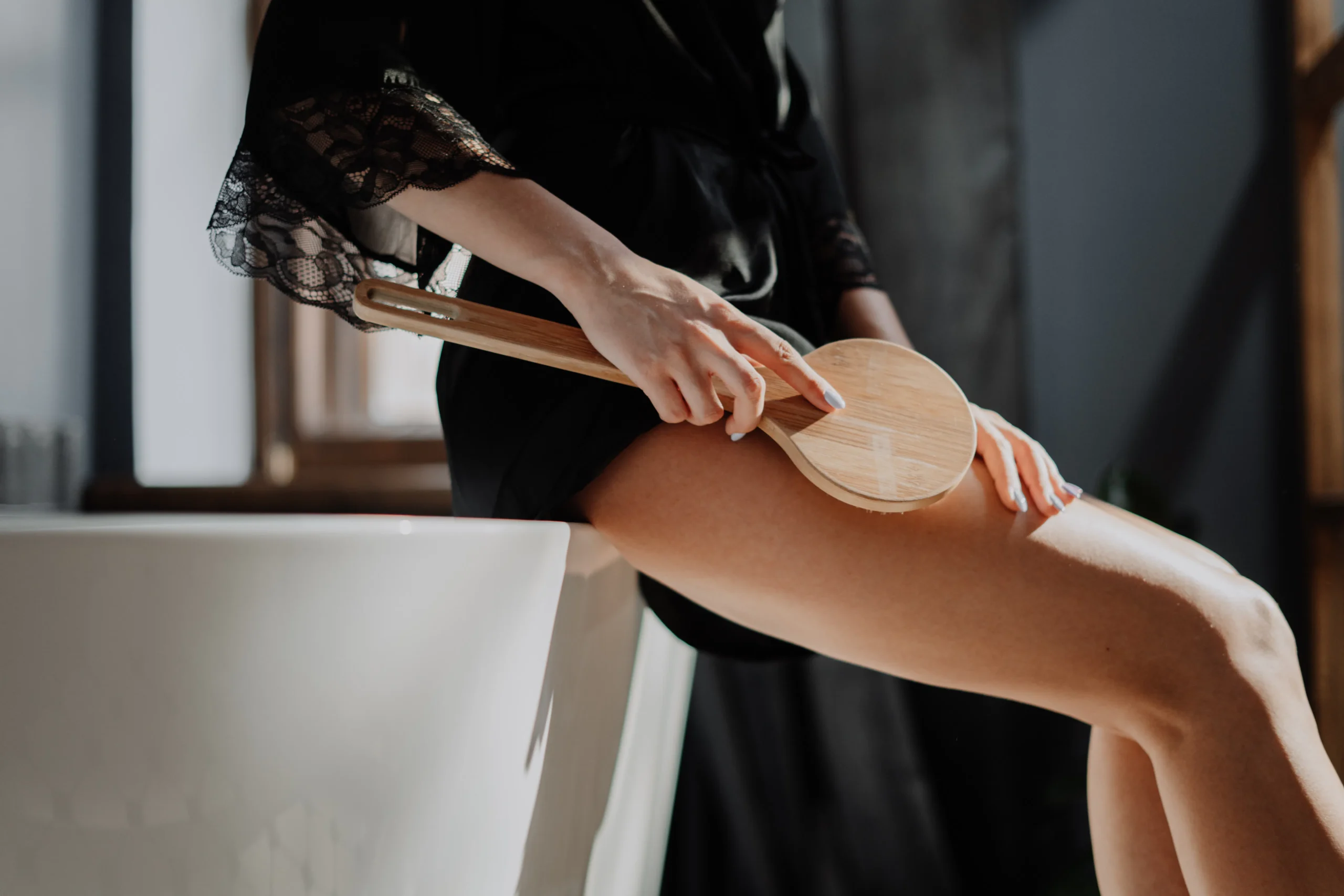
Photo by cottonbro studio on Pexels
The CALMS post-wax routine: quick steps that actually work
Keeping skin flawlessly smooth isn’t an accident — it’s a short, disciplined routine after every appointment. I use a simple CALMS framework with clients to stop irritation, prevent ingrown hairs, and extend that coveted smoothness.
C — Cool & soothe immediately
Within the first hour, apply a cool compress or a thin layer of aloe vera to calm redness. Avoid products with strong fragrances or alcohols that can sting freshly waxed skin.
A — Avoid heat and sun (24–48 hours)
Skip hot showers, saunas, pools, intense workouts, and direct sun for 24–48 hours. Heat increases inflammation and opens pores, which raises the risk of bumps and irritation.
L — Loose, breathable clothing for 24–48 hours
Friction from tight fabrics is a leading cause of post-wax bumps and ingrowns. Choose cotton or other breathable fabrics while the skin recovers.
M — Moisturize daily with the right formula
Use a fragrance-free, lightweight moisturizer every day to keep skin supple. Hydrated skin reduces flaking and the hair’s tendency to curl back under the surface.
S — Start gentle exfoliation 2–3 days later
Begin exfoliating 2–3 days after waxing, then 2–3 times a week. Use a gentle physical scrub or a mild chemical exfoliant (low-concentration salicylic or glycolic acid) to prevent ingrown hairs. Stop exfoliation if you notice excessive redness or sensitivity.
Small changes prevent the biggest problems: chill first, hydrate always, and exfoliate smart.
Quick do/don’t checklist:
- Do: cool compresses, fragrance-free moisturizer, loose clothing, schedule waxes every 4–6 weeks.
- Don’t: pick bumps, use hot tubs, sunbathe, or apply retinoids for 48 hours.
Consistent appointments and mindful aftercare are how smooth skin waxing becomes reliably long-lasting. For professional care, our trained estheticians and vegan product selection at waxing help minimize trauma and extend results.
Follow CALMS and you’ll see fewer ingrown hairs, less irritation, and longer-lasting smoothness—simple, repeatable, effective.
Are There New Trends or Solutions for Common Waxing Woes in 2026?
Pain, sensitivity, and uneven regrowth are still the top complaints—yet 2026 brings smarter, gentler options that make waxing realistic for more people than ever. I see three shifts changing the experience: technique innovations, gentler formulas, and hybrid aftercare tech.
What’s changing for pain and sensitive skin?
Estheticians now combine small, evidence-backed hacks instead of relying on one “magic” fix. Topical numbing creams (short-contact lidocaine products) used carefully, plus pre-cooling devices and faster strip work, reduce perceived waxing pain without compromising results. Hard-wax techniques for delicate areas remain best practice to minimize skin trauma.
Small protocol changes reduce waxing pain more than one big change ever could.
Micro-summary: incremental procedural improvements (numbing + cooling + technique) deliver the biggest gains in comfort.
Sugaring and natural alternatives
Sugaring—pure sugar, lemon, and water—has moved from a niche to mainstream as a genuinely gentler option for sensitive skin. It adheres primarily to hair, not skin, which often means less redness and fewer ingrown hairs versus traditional wax. For anyone worried about irritation after a full body wax, sugaring is worth discussing with your esthetician.
Micro-summary: sugaring is a lower-irritation alternative to traditional wax, especially for sensitive skin and full body wax sessions.
Men’s waxing and the rise of tailored services
Men’s waxing (manscaping) is a normalized offering now, with clinics using different wax densities and pre-care protocols for coarser hair. Full body wax options are more modular: practitioners prioritize mapping, timing, and targeted aftercare to prevent excess irritation.
Smarter aftercare: LED, serums, and gentle exfoliation
Combining LED light therapy immediately post-wax can reduce redness and speed recovery—something we incorporate at Amsterdam Beauty Clinic alongside vegan, anti-inflammatory serums. Follow the basics: avoid heat and sun 24–48 hours, start gentle exfoliation 2–3 days later, and moisturize daily with a fragrance-free, lightweight product.
Micro-summary: modern aftercare pairs calming tech (LED, hydrogel patches) with targeted serums and disciplined post-wax habits for better outcomes.
For those exploring longer-term solutions, consider complementary options like professional laser waxing for lasting reduction; our guide on laser waxing explains how it compares to regular waxing. If you want a reliable, minimally discomforting wax experience, book with a salon that uses trained technicians and quality products—search for services like the clinic’s waxing to get started.
What’s Your Next Step Towards Truly Flawless Skin?

Photo by Mikhail Nilov on Pexels
You’ve learned the how and why — now let’s convert knowledge into a predictable routine. Think of this as your 4-point action plan to complete the flawless skin journey: prepare, commit, protect, maintain.
Start with a realistic waxing regimen. Professional waxing every 4–6 weeks synchronizes hair cycles and, over time, delivers finer, sparser regrowth. At-home attempts can work, but professionals remove hair more effectively from the root and reduce complications. Consistent appointments beat sporadic effort.
Prep correctly: ensure hair is 1/4–1/2 inch long and exfoliate 1–2 days before. Post-wax care matters as much as the strip you pull off — avoid heat and sun for 24–48 hours, wear loose clothes, and begin gentle exfoliation 2–3 days after (2–3× per week) to prevent ingrowns. Moisturize daily with a lightweight, fragrance-free product to keep skin supple.
If your goal is lasting results, prioritize technique and aftercare over shortcuts. Common at-home mistakes — wrong wax temperature, poor prep, rushing the process — cause irritation and set you back. The alternative: rely on trained estheticians who use quality products and techniques for less trauma and better outcomes.
Ready to act? Book a consultation or explore professional options that fit your lifestyle and skin goals — from advanced waxing to complementary hair-removal services — at Amsterdam Beauty Clinic. Visit our waxing page to see services and book an appointment.
Micro-summary: Adopt a consistent waxing regimen, enforce disciplined pre- and post-wax care, and choose professional support when you want predictable, long-term smoothness. Start small, be consistent, and your skin will show the results.
Ready for consistently smooth skin? Explore expert waxing and other advanced treatments at Amsterdam Beauty Clinic and achieve your flawless skin goals.
People Also Ask About Waxing for Smooth Skin
How often should I get waxed for the best results?
For optimal and long-lasting smoothness, consistent waxing appointments every 4-6 weeks are recommended. This helps synchronize your hair growth cycles, leading to finer and sparser regrowth over time. Regular sessions are key to maintaining that coveted flawless skin.
What’s the ideal hair length for waxing?
The ideal hair length for effective waxing is approximately 1/4 to 1/2 inch. If your hair is too short, the wax may not grip it properly, leading to incomplete removal. If it’s too long, it can increase discomfort, so trimming might be necessary for the best results.
What are the main benefits of professional waxing over at-home waxing?
Professional waxing offers several advantages, including the use of high-quality waxes and the expertise of trained estheticians who minimize pain and skin trauma. Professionals can more effectively remove hair from the root, leading to longer-lasting smoothness and a reduced risk of complications like burns or infections compared to at-home methods.
How can I prevent ingrown hairs after waxing?
Preventing ingrown hairs involves a multi-step approach. Start with gentle exfoliation 2-3 days after waxing, 2-3 times per week, and moisturize daily with a lightweight, fragrance-free product. Wearing loose, breathable clothing also helps reduce friction and irritation, contributing to smoother skin.
Are there gentler alternatives to traditional waxing?
Yes, sugaring is a popular and gentler alternative to traditional waxing. It uses a natural paste made from sugar, lemon juice, and water, which can be less irritating for sensitive skin. Some clinics also offer advanced treatments like laser hair removal for a more permanent solution.
What should I avoid immediately after waxing?
After waxing, it’s crucial to avoid heat and friction for 24-48 hours. This includes hot showers, saunas, steam rooms, intense workouts, and tight clothing. Direct sun exposure should also be avoided to prevent irritation and hyperpigmentation of the freshly waxed skin.