The instant glow paradox: what are we missing?

That instant glow from a carbon facial? It’s everywhere in Amsterdam’s chicest spots, often hyped as the ‘Hollywood Peel’ or ‘Black Doll Facial.’ It sounds amazing, a lunchtime treatment promising you’ll walk out refreshed and radiant. But honestly, that quick, dazzling effect, while super tempting, often hides some less glamorous truths about what’s really going on with your skin.
This “instant glow” often sidesteps a deeper conversation about the laser technology involved. What should you truly expect from a carbon peel in Amsterdam? Many aesthetic clinics here gloss over the fact that a Q-switched Nd:YAG laser is performing a controlled thermal injury, not just a gentle cleanse.
That’s a significant difference. It’s definitely not just a simple facial.
At Amsterdam Beauty Clinic, we believe in full transparency. We’ve noticed a lot of marketing for carbon facials focuses solely on the immediate, visible benefits. They often completely downplay potential downsides or the aftercare needed. So, I always stress the importance of understanding the science behind the marketing, especially when you’re trying to debunk carbon peeling myths and other skin myths.
Beyond the buzz: what carbon peeling really involves
The glossy ‘Hollywood Peel’ or ‘Black Doll Facial’ names often mask the actual science behind what is carbon peeling. In reality, it’s a sophisticated laser treatment involving a specific two-step process. First, a thin layer of activated carbon lotion gets applied to the skin; this lotion penetrates deep into pores and binds to oils, debris, and dead skin cells.
Then, a Q-switched Nd:YAG laser, typically operating at a 1064nm wavelength, is passed over the treated area. The carbon particles act as an exogenous chromophore, meaning they absorb the laser’s energy intensely. This absorption generates a controlled photothermal effect, causing the carbon to rapidly vaporize. As the carbon explodes, it carries away the attached impurities, exfoliates the superficial stratum corneum, and thermally stimulates collagen production.
The immediate effect is a noticeably brighter complexion, reduced sebum on the surface, and a temporary appearance of smaller pores. The treatment is excellent for surface oil and superficial debris, which gives that ‘instant glow’ that marketing loves. However, the idea it’s a permanent fix for deeper issues or a one-off miracle is what often causes confusion.
For meaningful, lasting improvements in things like persistent acne or pore size reduction, you’re looking at a series of 4,6 sessions, spaced a few weeks apart. This nuanced reality is often lost in promotional material. Honestly, while generally well-tolerated, some clients find the ‘snapping’ sensation and associated heat quite uncomfortable, and the smell of vaporized carbon can be a bit surprising. At Amsterdam Beauty Clinic, we make sure to clearly explain the full process and what to expect during our carbon peeling treatments.
Post-treatment, your skin will be hypersensitive for a day or two. Strict avoidance of direct UV exposure, high heat from saunas or intense exercise, and active ingredients like retinols or AHAs for at least 5,7 days is important to prevent irritation or potential post-inflammatory hyperpigmentation (PIH), especially for darker skin tones.
Six common carbon peel fables, debunked
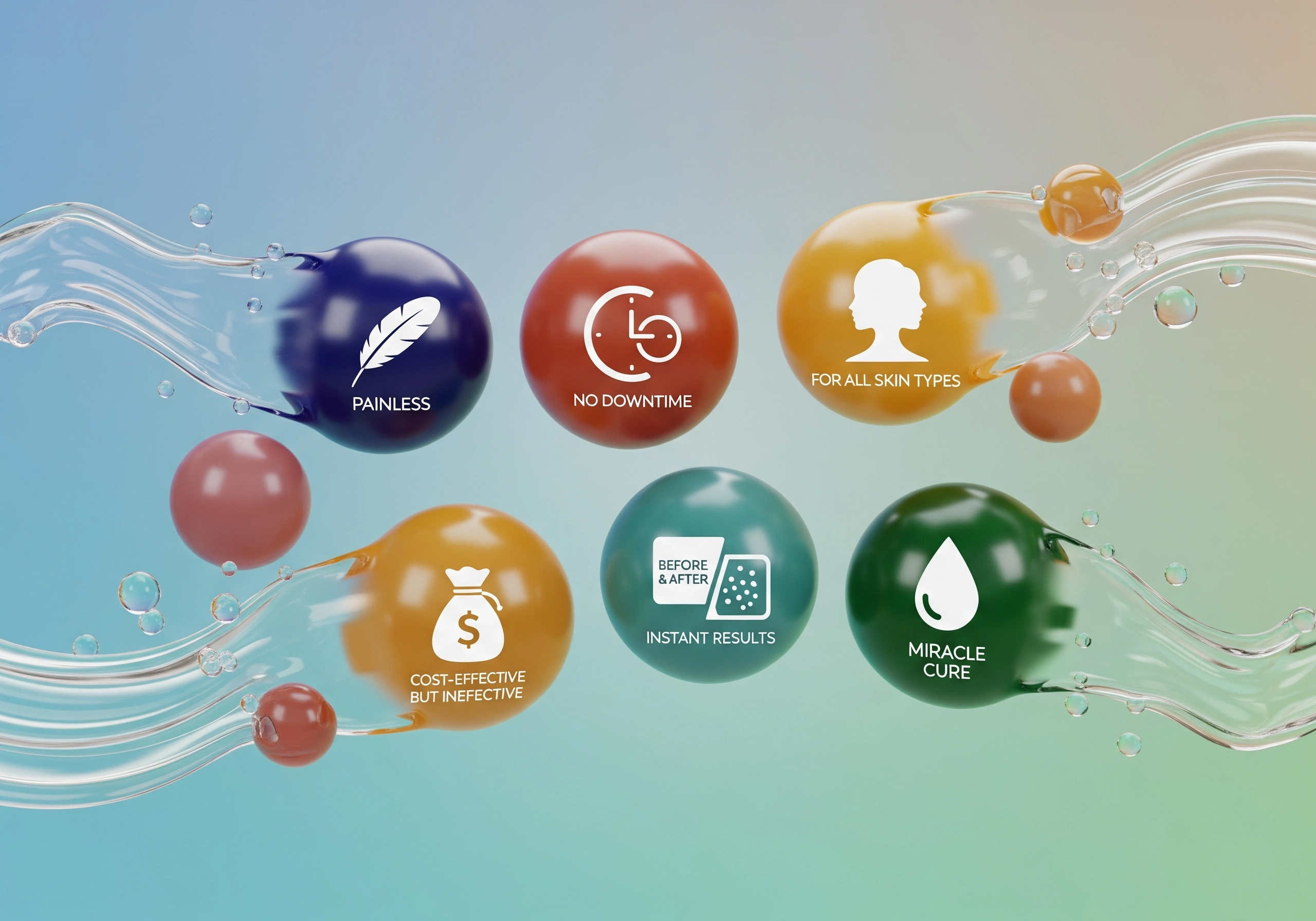
The allure of the ‘Hollywood Peel’ often comes with a set of convenient fables. But the reality of a carbon laser peel, especially when it involves a Q-switched Nd:YAG laser, isn’t always as glamorous as the marketing suggests. Clinics, particularly in Amsterdam’s boutique scene, frequently prioritize the ‘instant glow’ without full transparency. Let’s get straight to the facts about what these treatments actually entail.
Myth 1: It’s a zero-downtime treatment
That ‘lunchtime treatment’ promise often falls flat when you consider the skin’s actual recovery. Your skin is hypersensitive for 24-48 hours post-procedure. You can’t expose it to UV, saunas, or strenuous gym workouts. And forget active ingredients like retinols or AHAs for at least 5-7 days. It’s not zero downtime; it’s specific downtime.
Myth 2: The procedure is completely painless
While generally well-tolerated, calling it ‘painless’ is subjective and frankly, misleading for some. You’ll hear a distinct ‘snapping’ sound and might even smell vaporized carbon. For those with high skin sensitivity or a thin barrier, the heat can cause significant discomfort. It’s certainly not like a gentle facial.
Myth 3: It offers a permanent fix for skin issues
Carbon peeling isn’t a magic wand for deep atrophic acne scars or persistent conditions. The reality is, it’s primarily a maintenance tool. It excels at targeting surface oil, superficial debris, and refining pores. For significant improvements in acne or pore size, you’ll need 4,6 sessions spaced 2,4 weeks apart. It just isn’t a permanent solution.
Myth 4: It’s safe for all skin types
This is an important point that many ’boutique’ clinics gloss over. Patients with Fitzpatrick IV,VI skin (medium to dark tones) are at a higher risk of ‘rebound darkening’ or post-inflammatory hyperpigmentation (PIH). I’ve seen this happen when clinics fail to adjust laser energy or skip crucial patch tests for carbon lotion allergies. Choosing a reputable clinic is paramount, especially when you’re navigating the nuances of advanced skin treatments. It’s why I always stress the importance of understanding what sets beauty salons in Amsterdam apart before committing to a treatment.
Myth 5: You only need one session for results
While you might get an ‘instant glow’ for an event, that’s not the full picture of carbon peeling results. Real, lasting improvements in acne or pore size demand a series of treatments. Clinical data suggests 4,6 sessions, spaced 2,4 weeks apart, are necessary to achieve tangible, long-term changes. Anything less is just a temporary perk.
Myth 6: There are no negative side effects or ‘purging’
Not true. The deep-cleansing action can actually trigger temporary breakouts, or a ‘purging’ phase, in acne-prone individuals. And going too often , more than once every three weeks , can lead to a ‘barrier crash,’ causing chronic redness and rosacea-like dermatitis. These downsides rarely make it onto Instagram feeds, but they’re very real, and we address these realities at Amsterdam Beauty Clinic to ensure our clients make informed choices about their skin treatments.
Why the full picture sometimes gets blurry in Amsterdam’s clinics
Imagine you’re scrolling through Instagram, seeing perfectly filtered ‘after’ photos of a carbon peel, marketed as the ‘Hollywood Peel’ or ‘Black Doll Facial.’ It promises an instant glow, zero downtime, and a flawless complexion. It looks so easy. But these glossy feeds rarely show the full clinical picture, or why that quick fix might not be what your skin truly needs. The allure of immediate results often overshadows important details about how these treatments truly work.
The aesthetic clinic Amsterdam market, particularly in areas like Rozengracht, embraces this high-gloss ’boutique’ branding. Clinics emphasize the ‘lunchtime treatment,’ suggesting you can pop in and out with no fuss. This marketing prioritizes the immediate, visible effect over transparent discussion. It’s tough to sell the need for multiple sessions or a temporary purging phase when the focus is on instant perfection.
Then there’s oversight. While ‘green flag clinics’ often have BIG-register practitioners, many ‘certified aestheticians’ operate with varying medical training. This creates a spectrum of expertise where misinformation skin treatment thrives. Without uniform regulation, some clinics can gloss over downsides or fail to properly assess skin types. I’ve seen how a lack of proper assessment, especially for Fitzpatrick IV,VI skin, leads to rebound darkening , the opposite of what clients want.
Honestly, we all crave quick fixes. The demand for immediate results, often without understanding the biology, pushes clinics to market carbon peeling as a ‘permanent’ solution. It’s really a maintenance tool, targeting surface oil and superficial debris. At Amsterdam Beauty Clinic, we prioritize transparency in all our skin treatments. We ensure clients understand the full journey. Choosing your provider carefully matters; for identifying truly informed clinics, consider our guide on don’t pick your Amsterdam beauty salon without checking these 3 things.
The real risks: what you should be told
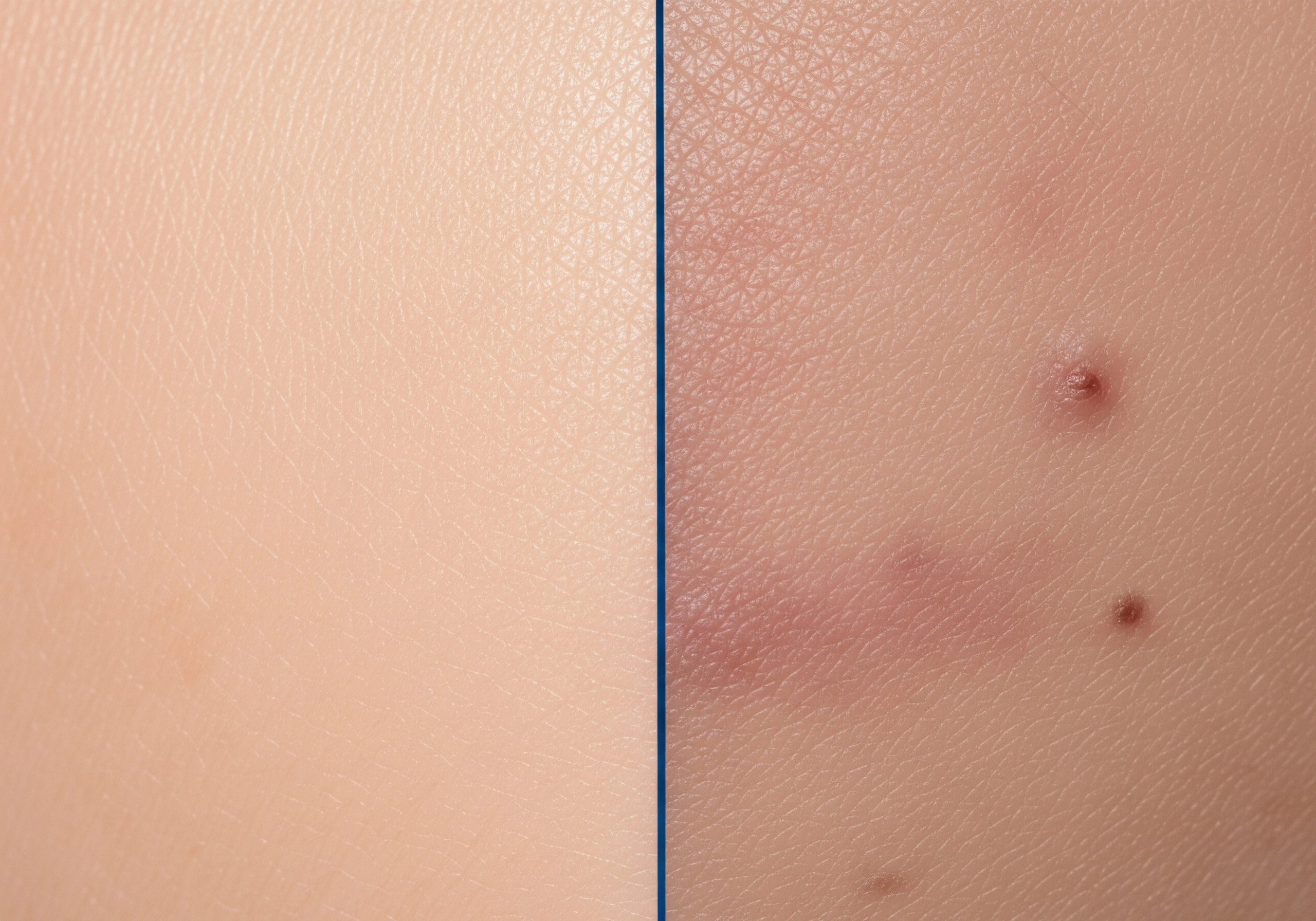
While the allure of the ‘Hollywood Peel’ or ‘Black Doll Facial’ is strong, promising an instant glow, clinics sometimes gloss over the very real potential for Post-Inflammatory Hyperpigmentation (PIH). I’ve seen clients with Fitzpatrick IV,VI skin tones, common in Amsterdam, who experienced significant ‘rebound darkening’ because the laser energy wasn’t adjusted precisely for their skin type or a patch test for carbon lotion allergies was skipped. This isn’t just a minor setback; it’s a visible, frustrating side effect that can take weeks or months to resolve.
The risk of skin barrier crash
Another major concern is the dreaded skin barrier crash. When carbon peeling sessions are too frequent, say, more than once every three weeks, the skin’s natural protective barrier doesn’t get enough time to recover. What starts as a simple treatment can morph into chronic redness, increased sensitivity, and even rosacea-like dermatitis. It’s a prime example of how pushing for quick results can backfire, leaving your skin in a worse state than when you started. We really emphasize proper spacing for all our skin treatments at Amsterdam Beauty Clinic for this exact reason.
Then there’s the initial ‘purging’ phase. Many promotional materials don’t mention that the deep-cleansing action of the carbon peel can sometimes trigger temporary breakouts, especially for those already prone to acne. It’s a sign that your skin is expelling impurities, but it can be unsettling if you’re not prepared for it. This phase, though temporary, can be quite alarming.
Uncomfortable truths about the procedure
And let’s be honest about discomfort. While generally well-tolerated, the claim of a completely ‘painless’ experience isn’t universal. The snapping sound of the laser vaporizing carbon particles can be quite startling, and the distinct smell of vaporized carbon is noticeable. For clients with higher skin sensitivity or a thinner barrier, the heat can cause more than mild warmth; it can be genuinely uncomfortable. Understanding these potential carbon peel risks upfront helps you make a truly informed decision about your treatment journey. It’s why I believe in full transparency when discussing any advanced aesthetic procedure.
Choosing wisely: questions to ask your Amsterdam aesthetician
Knowing the potential downsides of carbon peeling is one thing; finding a clinic that openly discusses them is another entirely. It’s easy to get swept up in the ‘Hollywood Peel’ hype, especially in Amsterdam where boutique branding often glosses over the clinical details. But you’ve got to be your own advocate. So, what should you really be asking your aesthetician before that carbon treatment in Amsterdam?
What to ask about qualifications and technology
First, don’t be shy about asking your practitioner about their specific training with Q-switched Nd:YAG lasers. And if they’re registered in the BIG-register , that’s a real green flag for medical oversight in the Netherlands. Also, push for details on the laser itself. Is it a 1064nm wavelength? Older heat-based systems can carry higher risks, particularly for certain skin types. You’re looking for someone who understands the nuances, not just the marketing claims.
Discussing risks and aftercare
This is where informed consent for skin treatments really comes into play. Ask directly about potential side effects like Post-Inflammatory Hyperpigmentation (PIH), especially if you have medium to darker skin tones (Fitzpatrick IV-VI). What’s their protocol for managing a ‘purging’ phase or a ‘barrier crash’? A transparent clinic will talk about these things openly. They should also detail the post-treatment care, like avoiding UV exposure, heat, and active ingredients. We make sure our clients understand the full spectrum of their skin treatments at Amsterdam Beauty Clinic, ensuring no surprises.
Verifying claims and setting expectations
It’s not just about what they say, but how you can verify it. Ask about patch tests, particularly if you’ve never had the treatment or have known sensitivities. And get clear on the recommended treatment plan. While a single session might offer an instant glow, significant improvements in concerns like acne or pore size usually need 4-6 sessions, spaced 2-4 weeks apart. If a clinic promises a “permanent fix” or “zero downtime” without caveats, that’s a red flag. When you’re choosing a clinic in Amsterdam, look for honesty over empty promises. It’s about finding a reputable beauty salon in Amsterdam that prioritizes your skin health long-term.
Getting clearer skin with clearer information

You’ve now seen how much noise surrounds popular treatments like the carbon facial in Amsterdam. The reality is, getting truly clearer skin starts with clearer information. It’s about cutting through the ‘Hollywood Peel’ hype and understanding the actual science behind your laser peel truth.
I’ve always believed that giving clients knowledge is just as important as the treatment itself. When clinics are transparent about both the benefits and the potential downsides , like the risk of PIH for darker skin tones or the need for consistent sessions , you’re better equipped to make informed decisions for your skin health. This kind of honest dialogue builds trust, and it’s something we prioritize at Amsterdam Beauty Clinic with all our skin treatments.
Don’t settle for vague promises or an instant glow that fades quickly. You deserve a clear explanation of what a carbon facial can and cannot do for your unique skin. Your skin’s long-term health is worth more than any quick fix. Making an informed decision about your skin care matters; it helps you navigate the options and truly find a reputable amsterdam beauty salon that aligns with your goals. So, demand transparency. Ask the tough questions. It’s the only way to genuinely care for your skin.
Tired of marketing hype obscuring the facts about skin treatments? For clear, honest advice and advanced options like carbon peeling, Amsterdam Beauty Clinic prioritizes your skin health and informed decisions.
People Also Ask About Carbon Peels
What exactly is a carbon laser peel?
A carbon laser peel, often called the ‘Hollywood Peel’ or ‘Black Doll Facial’, involves applying a carbon lotion to your skin and then using a Q-switched Nd:YAG laser. The laser energy heats and vaporizes the carbon particles, which helps to exfoliate the skin, reduce oil, and improve pore appearance.
Is a carbon peel really a ‘zero downtime’ treatment?
While many clinics market it as having zero downtime, your skin will be hypersensitive for 24-48 hours post-treatment. You’ll need to avoid UV exposure, saunas, and strenuous activity. It’s not quite a ‘lunchtime’ treatment if you’re planning an immediate event.
Can a carbon peel cause hyperpigmentation?
Yes, it’s a potential risk, especially for those with medium to dark skin tones (Fitzpatrick IV-VI). If the laser energy isn’t adjusted correctly or a patch test for carbon lotion allergies isn’t done, you could experience ‘rebound darkening’ or Post-Inflammatory Hyperpigmentation (PIH).
How many carbon peel sessions do I need for best results?
For significant improvements in acne or pore size, most clinical data suggests 4-6 sessions spaced 2-4 weeks apart. It’s more of a maintenance tool than a permanent fix for deep scarring or severe acne.
Is the carbon peeling procedure painful?
It’s generally well-tolerated, but ‘painless’ is subjective. You might hear a snapping sound and smell vaporized carbon, which can be distressing. Some people find the heat from the laser quite uncomfortable, especially if they have sensitive skin.
How do I find a trustworthy clinic in Amsterdam for a carbon peel?
Look for clinics with practitioners listed in the BIG-register, as this indicates a higher level of medical oversight. Don’t hesitate to ask about their laser technology, energy settings, patch testing protocols, and what to expect regarding downtime and potential side effects. A transparent provider will answer these questions clearly.