Why Are So Many Turning to Laser Hair Reduction for Smooth Skin?
The momentum behind laser hair reduction starts with a simple promise: long-lasting smooth skin with fewer rituals and less irritation.
More people are abandoning the rinse-and-repeat cycle of shaving and frequent waxing because modern hair removal technology delivers measurable, lasting change. The global market is expected to hit $3.9 billion by 2026 with a CAGR of 15.4%—that growth isn’t hype; it’s adoption driven by results and improved safety. Many clinics now report typical treatment plans of 6–8 sessions to achieve significant, persistent reduction.
Why the shift? Three practical forces:
- Precision: Lasers target pigment in follicles to damage growth mechanisms, reducing density and thickness over time. It’s not always 100% permanent, but it meaningfully lowers regrowth compared with traditional methods.
- Comfort & speed: New systems use adaptive cooling and faster pulse rates. Today’s smooth skin laser sessions are shorter, more tolerable, and better suited to diverse skin tones than older devices.
- Cost & convenience over the long term: While per-session costs vary (commonly from about $50 to $913 depending on area), fewer repeat appointments generally mean long-term savings versus lifetime waxing or shaving.
Safety advances and inclusivity are central to the trend. AI-assisted diagnostics, multi-wavelength platforms, and improved cooling are making treatments safer across skin types—important as demand rises for all-inclusive options.
At Amsterdam Beauty Clinic I explain treatment plans, set realistic expectations, and combine state-of-the-art equipment with natural, vegan care to minimise discomfort and optimise outcomes. For readers wanting a deeper technical and practical guide, our detailed resource on laser hair reduction is a useful next step, and you can review our full range of laser hair removal services.
In short: faster tech, proven results, safer procedures, and long-term savings are why laser hair reduction is becoming the go-to path for smooth skin.
Smooth skin becomes practical when technology, safety, and realistic expectations align.
What Exactly Makes Laser Waxing a ‘Permanent’ Solution?
Laser hair removal succeeds where razors and waxes only delay the problem because it damages the hair at its source — the follicle. The laser delivers concentrated light absorbed by melanin in the hair shaft and bulb. That light converts to heat, injuring the follicle’s germinative cells so future hair production is inhibited or delayed.
This process is called selective photothermolysis: targeting pigment to destroy hair without harming surrounding skin. Treatments are calibrated for wavelength, pulse duration, and energy to match hair colour and skin tone — which is why modern systems at Amsterdam Beauty Clinic use adaptive settings and cooling to maximise safety and comfort.
Permanent hair removal is more often a long-term outcome than an absolute guarantee.
Why multiple sessions? Hair grows in cycles (anagen, catagen, telogen). Lasers are most effective in anagen (active) phase. Because not all hairs are in that stage at once, clinics typically schedule 6–8 sessions spaced 4–8 weeks apart to capture successive growth cycles and achieve meaningful hair growth reduction.
What counts as “permanent”? Regulatory bodies often distinguish between “laser hair reduction” (measurable decrease in hair density) and “permanent hair removal” (long-term, stable reduction). In practice most people experience 70–90% reduction after a full course; remaining hairs are finer, lighter, and grow more slowly. Periodic maintenance treatments may be recommended.
Typical treatment flow:
- Consultation and skin assessment.
- Pre-treatment prep (avoid tanning, shave 24–48 hours prior, no waxing/tweezing for weeks).
- Treatment with cooling and calibrated pulses (minutes to an hour, depending on area).
- Aftercare: avoid sun, apply SPF 30+, soothing moisturiser; expect mild redness.
Advances predicted for the best laser waxing 2026 include multi-wavelength platforms and AI-assisted diagnostics that improve efficacy across skin tones and reduce session counts.
For a deeper primer on how the method delivers lasting results, see our guide to permanent hair reduction.
In short: laser waxing is “permanent” in its ability to produce durable, significant hair growth reduction — but realistic expectations, a full treatment series, and occasional maintenance are part of the pathway to long-term smoothness.
What Are the Unseen Benefits of Opting for Laser Waxing Today?

Why the benefits of laser waxing go far beyond hair removal
Think of laser waxing as a structural upgrade for your skin routine — not just a temporary fix. Beyond instant smoothness, modern treatments deliver measurable improvements in skin texture, fewer complications like ingrown hairs, and cumulative time-and-cost savings that compound after each session.
The 3‑Layer Benefit Framework: Skin, Efficiency, Economics
-
Skin health: Laser energy targets hair follicles while sparing surrounding tissue, reducing follicular inflammation and post-treatment irritation. Over multiple sessions you’ll notice less redness, fewer bumps, and a more even surface — the “smooth skin laser” effect is real and lasting.
-
Efficiency & lifestyle: Each successful course (typically 6–8 sessions) breaks the shaving/waxing cycle. That means fewer salon appointments, less daily prep, and more predictable results. You reclaim minutes every week and confidence every season.
-
Long-term savings: Upfront session costs vary (roughly $50–$913 per session depending on area), but when you account for lifetime expenses of razors, at-home waxing, and repeated salon waxing, laser often becomes the smarter financial choice. The global market growth (projected to $3.9 billion by 2026) reflects both demand and improving affordability.
Micro-summary: Laser waxing delivers cumulative skin improvements, time savings, and long-term economic value.
Additional, often unseen advantages
- Reduced ingrown hairs and hyperpigmentation from chronic waxing/shaving. Fewer infections and less scarring follow.
- Thinner, lighter regrowth when hair does return — a real form of hair growth reduction that improves with each treatment.
- Better compatibility with advanced skin treatments: smoother skin responds more predictably to procedures like microneedling or hydrafacial.
Small upfront investment, big downstream gains — physically and financially.
Micro-summary: Expect fewer complications, gentler skin, and progressively reduced hair density.
If you’re weighing options, consult a reputable clinic that pairs technology with skin-first protocols. For a practical next step, explore professional laser hair removal at Amsterdam Beauty Clinic — they combine state-of-the-art systems with vegan, skin-friendly aftercare to maximize results and comfort.
Can Laser Waxing Truly Be Safe and Effective for Everyone?
The short answer: in 2026, much closer than most people expect. But safety and effectiveness depend on three things — the right device, the right settings, and a qualified practitioner. Advances in hair removal technology have shifted the conversation from “who can’t” to “how to make it safe for more people.”
Modern systems use multi-wavelength platforms, adaptive energy delivery and built-in cooling to reduce risk and treat darker skin tones more predictably. AI-assisted diagnostics and real-time skin monitoring tailor pulses to your melanin and hair profile, which is why clinics now advertise the best laser waxing 2026 capabilities.
Technology widened the suitability window — but it didn’t remove the need for professional judgement.
Common, usually temporary side effects include redness, mild swelling, and transient pigment changes. Less common risks — blisters, scarring, or persistent hyperpigmentation — are almost always linked to inappropriate settings, recent tanning, or contraindicated medications. That’s why a pre-treatment consultation and patch test are non-negotiable.
Micro-summary: modern devices make laser waxing far safer across skin tones, but practitioner expertise still determines risk.
Practical suitability checklist (what clinicians assess):
- Skin type and recent sun exposure
- Hair colour and growth phase
- Medications (e.g., isotretinoin) and medical history
- Prior treatments and skin conditions
Preparation matters. Proper laser waxing preparation includes avoiding sun/tanning for weeks, shaving 24–48 hours before your session, and skipping waxing or plucking for 4–6 weeks prior. Aftercare focuses on sun avoidance, SPF 30+ daily, cool compresses, and gentle moisturisers like aloe vera.
If you want a reliable provider, choose clinics that combine advanced equipment with experienced staff and transparent protocols — for example, Amsterdam Beauty Clinic offers state-of-the-art solutions for laser hair removal and uses natural, vegan products to minimise irritation. For at-home or salon choices, read guidance on effective hair removal to compare methods and expectations.
Micro-summary: with proper preparation, professional assessment, and modern machines, laser waxing is safe and effective for a much wider range of people — but always start with a consultation and patch test.
How Can You Prepare for and Maintain Your Laser Hair-Free Results?
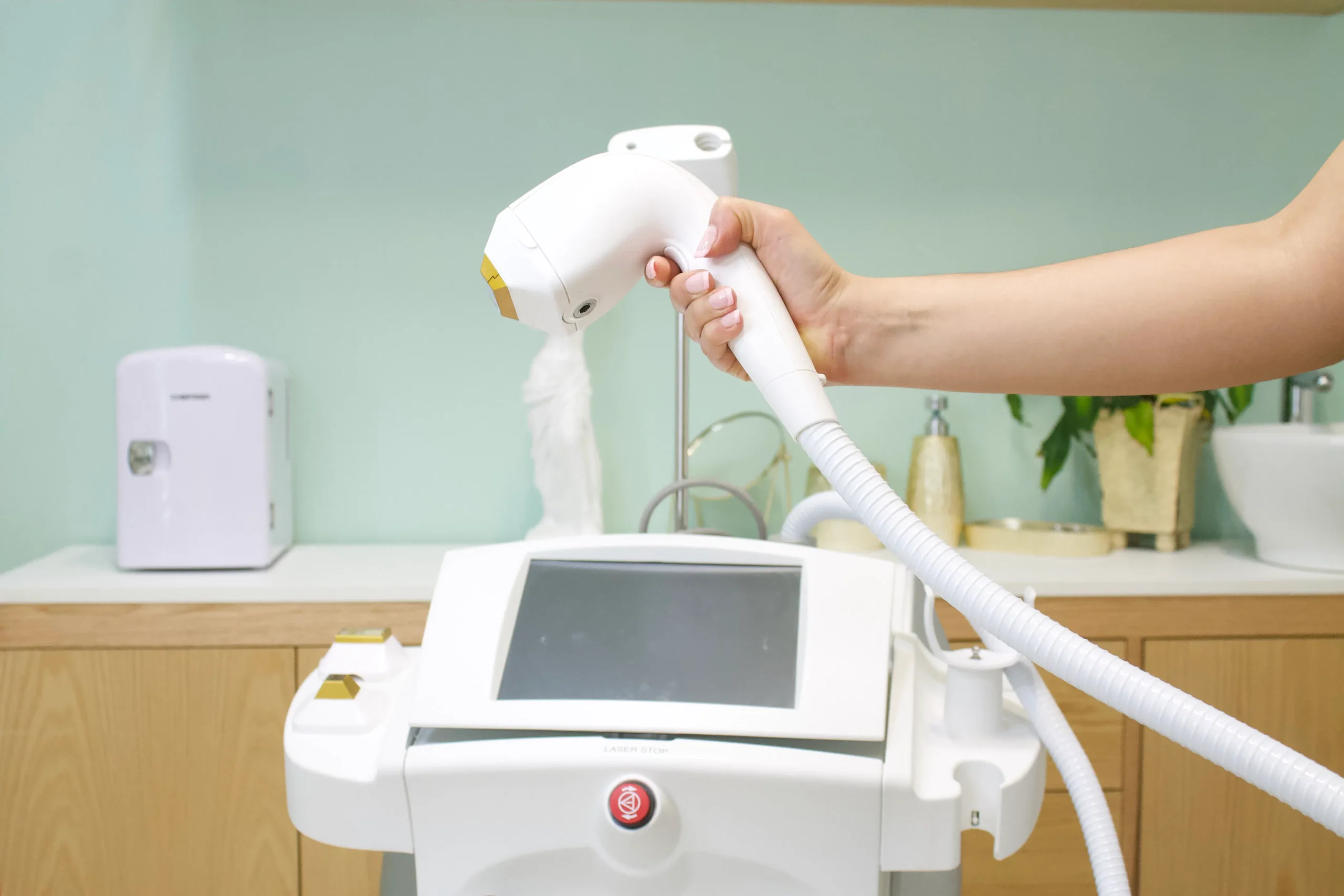
Photo by ANVA Marketing on Pexels
Preparation and aftercare are the quiet work that turns a good laser session into long-lasting, smooth skin laser results. Think of treatment day as the peak — your pre- and post-routine are what make the summit sustainable.
PREP → PROTECT → PERSIST (A simple framework)
- PREP: 2–4 weeks before your first session, avoid tanning and aggressive exfoliants. Stop waxing or tweezing for 4–6 weeks so the laser can target follicles; shave 24–48 hours before the appointment to leave the shaft for energy absorption.
- PROTECT: On treatment day wear loose, clean clothing and arrive with clean, product-free skin. Discuss skin tone and medications with your practitioner so energy settings are optimised.
- PERSIST: Expect 6–8 sessions spaced according to hair cycles. Keep up maintenance treatments as advised to lock in long-term reduction.
Preparation wins more results than intensity — consistency is the multiplier.
Practical laser waxing preparation
- Avoid UV exposure and self-tan for at least 2 weeks (longer for recent sunburn).
- Do not use retinoids, chemical peels, or strong acids in the treated area for 3–7 days before your session.
- Shave rather than wax; intact follicles are needed for effective light targeting.
At Amsterdam Beauty Clinic we personalise settings and use cooling and advanced systems to reduce risk and discomfort. For a checklist and service options, see our laser waxing preparation guidance.
A short micro-summary: prep by avoiding root removal and sun, shave close to the session, and disclose meds and skin history.
Laser waxing aftercare
- Avoid direct sun and tanning beds; use SPF 30+ daily on treated areas.
- Skip hot baths, saunas, intense exercise and exfoliating products for 48–72 hours.
- Soothe with fragrance-free moisturisers or aloe vera; avoid perfumed creams and alcohol-based toners.
- Watch for prolonged redness or blisters and contact your clinic if anything unusual appears.
Regular maintenance and sunscreen are the fastest routes to sustained smooth skin laser benefits.
Micro-summary: protect the skin from heat and UV, hydrate gently, and follow up with scheduled sessions to maximise permanent hair reduction.
What Does Laser Hair Removal Cost, and Are At-Home Devices Worth It?
Cost breakdown and value comparison
Price is often the first decision filter. The global market for laser hair removal is growing fast — projected to hit $3.9 billion by 2026 — and that growth shows up in both clinic offerings and consumer devices. But what does that mean for your wallet?
Professional sessions: typical ranges and what they cover
- Per-session averages for professional treatments typically fall between $207 and $913 depending on clinic, device, and treatment area. Some sources report per-session costs as low as $50 or as high as $600 for smaller or larger areas. Larger zones (full legs, full back) sit at the high end; small touch points (upper lip, underarms) cost much less.
- Expect multiple sessions: most clients need 6–8 treatments spaced over hair growth cycles for optimal long-term hair reduction.
Factors that drive laser hair removal cost
- Area size (bigger = more time, higher cost)
- Device type and energy (medical-grade vs. entry-level)
- Practitioner skill and clinic overhead
- Geographic location and demand
- Pre/post-care and packages (bundles lower per-session price)
Bold takeaway: a full-course investment upfront usually saves time and money compared with years of waxing or shaving.
At-home laser devices: price, power, and practical value
At-home laser devices range roughly from $150 to $450. They use lower energy settings (for safety), meaning results are slower and often require more frequent maintenance. For busy people on a budget, they can reduce stubble and slow regrowth — but they rarely match the permanence or speed of professional laser hair reduction.
When an at-home device makes sense
- You want incremental savings and convenience
- Your hair and skin type match the device’s specifications
- You can commit to regular sessions and careful patch-testing
When professional treatment is worth the spend
- You want faster, more durable hair reduction
- You have coarse hair or darker skin tones needing advanced systems
- You prefer clinically delivered safety and personalized settings
Micro-summary: if you value speed, predictability, and long-term reduction, professional treatment is the better investment; for lower upfront cost and convenience, at-home devices are a pragmatic supplement.
If you’re weighing options, consult a certified clinic. At Amsterdam Beauty Clinic we combine state-of-the-art, inclusive hair removal technology with natural aftercare to help clients choose the most cost-effective path to smooth skin. Learn more about our services for tailored pricing and packages: laser hair removal.
What’s Next for Laser Hair Removal and Your Hair-Free Future by 2026?

Photo by Towfiqu barbhuiya on Pexels
Imagine fewer salon trips, fewer nicks, and months of smooth skin after a single treatment—then imagine that being the baseline experience for everyone. The global laser hair removal market is projected to reach $3.9 billion by 2026, driven by faster devices, smarter targeting, and wider accessibility.
The near-term roadmap is practical: AI-assisted diagnostics, adaptive energy delivery, multi-wavelength platforms, and advanced cooling systems. These innovations mean treatments will become faster, safer, and more inclusive across skin tones and hair types—delivering on the promise of permanent hair removal without the trade-offs of older systems.
Technology will shrink treatment time and widen suitability—so more people get durable results with less discomfort.
What does this mean for you? Expect:
- Fewer sessions (many clinics aim for 6–8 for optimal long-term reduction).
- Better outcomes on darker skin tones and fine hair thanks to blended wavelengths and smarter sensors.
- Lower lifetime cost versus repeated waxing or shaving as session efficiency improves.
Micro-summary: Emerging tech will reduce sessions, broaden candidacy, and increase comfort—making long-term hair reduction more practical and affordable.
At-home devices will continue to improve, sitting alongside professional services rather than replacing them. If you prefer home care, expect safer, more effective IPL/diode devices in the $150–$450 range; professional sessions will still deliver faster, more durable results (average session costs vary widely by area). Knowing the trade-offs helps you choose the right path.
Long-term value comes from consistency and the right provider—not a single miracle treatment.
Ready to act? Book a consultation to map a tailored plan: realistic session counts, expected costs, and aftercare. If you want detailed preparation or maintenance guidance, our clinic has resources like waxing tips to help you transition smoothly.
For personalised care and the latest equipment, consider Amsterdam Beauty Clinic—we combine state-of-the-art systems with gentle, vegan products to help you reach lasting hair-free results through expert laser hair removal.
Micro-summary: By 2026, laser waxing benefits will be clearer than ever—more inclusive tech, faster treatments, and durable reduction—so take the next step toward your hair-free future now.
Ready for lasting smooth skin? Discover advanced laser hair removal treatments and achieve your hair-free goals by 2026. Book your consultation today at Amsterdam Beauty Clinic.
Laser Waxing FAQ
What is laser waxing and how does it differ from traditional waxing?
Laser waxing, more accurately termed laser hair removal, uses concentrated light energy to target and damage hair follicles, inhibiting future growth. Traditional waxing removes hair from the root using wax strips. Laser hair removal offers long-term reduction and smoother skin, whereas waxing is a temporary solution.
Is laser waxing safe for all skin types and tones?
Modern laser hair removal technology is designed to be safe and effective for a wide range of skin types and tones, including darker complexions. However, it’s crucial to consult with a qualified professional at Amsterdam Beauty Clinic to ensure the correct laser type and settings are used for your specific skin profile to minimize risks and maximize results.
How many laser hair removal sessions are typically needed for optimal results?
Optimal results usually require multiple sessions, typically between 6 to 8, spaced several weeks apart. This is because laser hair removal is most effective when hair is in its active growth phase, and not all hair follicles are in this phase simultaneously. Consistent treatment ensures significant hair growth reduction.
What should I do to prepare for a laser waxing appointment?
Before your appointment, avoid sun exposure and tanning for several weeks. Shave the treatment area 24-48 hours prior, as the laser targets the hair root. Also, refrain from waxing or tweezing for 4-6 weeks beforehand, as these methods remove the hair shaft. Avoid harsh skincare products on the day of treatment.
What is the typical cost of professional laser hair removal?
The cost of professional laser hair removal varies depending on the treatment area, number of sessions, and clinic. Sessions can range from $207 to $913 on average, with smaller areas like the upper lip costing less than larger areas like full legs. Investing in a package of sessions often provides better value.
Are at-home laser hair removal devices as effective as professional treatments?
At-home laser devices offer convenience and can provide long-term hair reduction with consistent use, often ranging from $150 to $450. However, professional treatments use more powerful technology and are administered by trained experts, generally leading to faster, more durable, and comprehensive results compared to at-home options.