What Exactly is ‘Laser Waxing’, and How Does it Differ from Traditional Methods?

Decoding ‘Laser Waxing’: Why the Common Term Misses the Mark
Many people use the phrase “laser waxing” interchangeably with laser hair removal. However, this casual label obscures a fundamental difference between the two methods. While waxing offers a temporary solution by physically extracting hair, laser hair removal is a sophisticated technology designed for targeted follicle disruption and long-term hair reduction. Understanding this distinction is key to managing expectations and choosing the right treatment.
Laser hair removal operates by targeting the pigment (melanin) within the hair shaft and follicle. A specialized laser emits concentrated light energy, which converts to heat. This controlled thermal damage effectively disables the hair follicle, significantly inhibiting future growth. Because lasers are most effective when targeting hairs in their active growth phase (anagen), sessions are strategically scheduled to align with these cycles. The typical outcome is a remarkable 80–90% permanent hair reduction after a series of 3–8 treatments. The market reflects this demand, with the global laser hair removal market valued at $1.3 billion in 2023 and projected to reach $2.4 billion by 2033.
The core difference: Laser hair removal aims for lasting hair reduction, while traditional waxing provides immediate, yet temporary, smoothness.
Laser Hair Removal vs. Traditional Waxing: A Direct Comparison
To fully grasp the divergence, let’s compare the two methods side-by-side:
- Mechanism of Action: Traditional waxing involves pulling hair directly from the root. In contrast, laser hair removal focuses on damaging the hair follicle itself to impede regrowth.
- Duration of Results: Waxing offers temporary smoothness, typically lasting only a few weeks. Laser hair removal, however, leads to long-term reduction, often achieving permanent results for 80–90% of treated hairs over time.
- Pain and Preparation: While waxing can be painful during each session, lasers may cause sensations akin to mild snaps or rubber band flicks, often mitigated by topical anesthetics. A key difference is the necessity for multiple laser sessions spread over time to address different hair growth cycles.
- Suitability: Historically, lasers were most effective on darker hair and lighter skin. However, advancements in diode and Nd:YAG laser systems have broadened their safety and efficacy across a wider range of skin tones and hair colors.
- Potential Risks: Waxing carries risks such as ingrown hairs and skin irritation. Laser treatments can cause temporary redness or, rarely, pigment changes, though these risks are significantly minimized when performed by experienced practitioners.
In essence, if your goal is a quick, repeatable, but temporary fix, waxing serves its purpose. However, for those seeking meaningful, long-term hair reduction and a more efficient treatment plan over time, laser hair removal stands out as the superior, science-backed approach. For a comprehensive exploration of laser hair removal benefits and timelines, consider this detailed guide on laser hair removal advantages.
Why Consider Laser Hair Removal for Truly Smooth Skin?
Why Consider Laser Hair Removal for Truly Smooth Skin?
Imagine months without stubble, razor burn, or the weekly chore of waxing appointments. Laser hair removal shifts the equation from repeated maintenance to a long-term smooth skin solution—not overnight perfection, but a measurable, science-backed reduction in unwanted hair.
Laser waxing benefits are rooted in targeted biology: concentrated light damages hair follicles, which reduces future growth. Clinical data shows an 80–90% permanent hair reduction after an average of 3–8 sessions. That translates into far fewer touch-ups, fewer ingrown hairs, and smoother skin over time.
Longer-lasting results and lower friction in your routine — the most practical win.
Key advantages at a glance:
- Reduced frequency: After the recommended sessions, most people need only occasional maintenance versus weekly shaving or monthly waxing.
- Improved skin texture: Less mechanical irritation means fewer bumps, ingrown hairs, and post-waxing redness.
- Precision: Lasers selectively target pigmented follicles, making them ideal for areas like the bikini line, underarms, and upper lip.
- Cost-efficiency over time: While single sessions average $200–$400, fewer lifetime treatments can make laser competitive with recurrent waxing costs.
Newer diode and Nd:YAG lasers expand safety and efficacy across a broader range of skin tones and hair types, narrowing the old “dark hair, light skin” limitation. Still, realistic expectation-setting matters: the industry prefers “long-term hair reduction” to “permanent removal” because hormonal changes can trigger regrowth.
Choose an experienced clinician — most side effects (temporary redness, swelling) are minimized by proper technique and laser selection.
Decision framework (3 quick questions):
- How often do you currently remove hair? If weekly, laser likely reduces time spent.
- What areas bother you most? If small, precision of laser is efficient; larger areas affect cost-per-session.
- Are you prepared for multiple sessions and possible maintenance? Commitment equals best outcomes.
For a practical comparison or clinic options in Amsterdam and to learn more about laser waxing benefits, see this deeper guide and our local waxing resources: laser waxing benefits | smooth skin treatments.
Laser hair removal is not magic, but for many people it is the superior, time‑saving path to truly smooth skin.
Is Permanent Hair Reduction Really Possible with Laser Treatments?

Photo by Hairlust Official on Pexels
Can a laser truly stop hair forever — or is that just marketing shorthand? The short answer: lasers can produce permanent hair reduction, but not absolute hairlessness for everyone. Understanding the mechanism separates expectation from promise.
How lasers actually stop hair growth
Lasers use selective photothermolysis: concentrated light is absorbed by melanin (pigment) in the hair shaft and follicle, converting light to heat and damaging the follicle’s ability to regenerate. Because only follicles in the anagen (active growth) phase contain enough pigment, multiple sessions are required to hit hairs across different cycles.
Clinical averages show an 80–90% permanent hair reduction after about 3–8 sessions, depending on hair color, skin type, and device. Newer diode and Nd:YAG (Neodymium-doped Yttrium Aluminum Garnet) lasers expand safety and efficacy for a wider range of skin tones, improving long-term outcomes.
In practice, results depend on three controllable factors:
TARGET — TIMING — MAINTENANCE (a practical framework)
- Target: darker, pigmented hairs respond best; light or grey hair is less responsive.
- Timing: plan 3–8 sessions spaced to match hair cycles for thorough coverage.
- Maintenance: occasional touch-ups manage hormonal or age-related regrowth.
Laser treatment shifts hair removal from frequent maintenance to periodic upkeep — that’s the real win.
Why “permanent” is misleading and what to expect instead
Regrowth can occur due to hormones, medications, or dormant follicles reactivating. That’s why professionals use the term long-term hair removal rather than absolute removal. Maintenance sessions every 6–18 months are common for many clients.
Side effects are usually mild (redness, swelling), while pigment changes are rare with experienced practitioners. Choosing a qualified clinician and the right laser technology optimizes safety and durability.
For a quick practical primer on benefits and next steps, see our permanent hair reduction resource.
Laser hair removal offers meaningful, lasting reduction — not a fairy-tale guarantee. With the right plan, expect decades of reduced hair and far fewer maintenance rituals.
Which Body Areas Benefit Most from Laser Waxing: From Bikini to Face?
Which Body Areas Benefit Most from Laser Waxing: From Bikini to Face?
Start with this: not all body areas respond the same to laser hair removal — and that difference is exactly where value is built. Laser technology targets pigment in hair follicles, so areas with coarser, darker hair and lighter surrounding skin usually get the fastest, most noticeable reduction.
High-impact zones: bikini, underarms, legs
The bikini area (often searched as bikini laser wax) is one of the most popular and effective zones. Hair here tends to be coarse and dense, which means fewer sessions to reach significant reduction, though sensitivity and the risk of irritation are higher. Underarms and full legs also respond well because they offer large treatment windows and predictable hair cycles.
If you want fewer maintenance sessions and longer-lasting smoothness, start with the bikini, underarms, or legs.
These areas typically show the biggest time and cost savings versus repeated waxing or shaving. Expect 3–8 sessions and average per-session costs around $200–$400 depending on clinic and laser type. Newer diode and Nd:YAG systems improve safety across more skin tones.
Summary: bikini, underarms, and legs deliver the most dramatic, practical wins for most clients.
Face: targeted but strategic (facial laser waxing)
Facial laser waxing — especially the upper lip and chin — is highly effective for spot reduction of unwanted fine hairs. Face treatments require more precision: finer hairs, hormonal influence, and higher visibility mean providers often recommend test spots, gentler settings, and maintenance sessions. Dark, coarse facial hairs respond best; lighter vellus hairs may need more sessions or different approaches.
Summary: face treatments give high cosmetic payoff but demand nuanced settings and experienced practitioners.
A quick decision framework (Area-Readiness Framework)
- Hair contrast: darker hair, lighter skin = better results
- Sensitivity: more sensitive areas need gentler lasers/topical anesthetic
- Size & cost: larger areas need more time but often lower cost-per-cm
For confident, safe results, pair this planning with a qualified laser hair removal provider and consider reading a practical laser hair removal guide before booking.
Final micro-summary: Choose treatment areas based on hair type, visibility, and tolerance — bikini and underarms yield big wins; the face requires precision but offers important cosmetic benefits.
How Does a Laser Hair Removal Session Work, and What Can You Expect?

Photo by Anna Shvets on Pexels
How Does a Laser Hair Removal Session Work, and What Can You Expect?
Curious what actually happens during a laser appointment—and why it feels different from traditional waxing? Think of laser hair removal as a targeted, clinical approach: concentrated light disables hair follicles instead of yanking hairs out. This shift changes preparation, discomfort, risk, and results.
The Consult–Treat–Maintain framework
-
Consultation: A trained clinician evaluates your skin tone, hair color, medical history, and expectations. They’ll explain that “laser waxing” is a common misnomer; the correct term is laser hair removal, which aims for long-term hair reduction (often 80–90% after 3–8 sessions). Expect pricing guidance—typical per-session costs range from $200–$400 depending on area and device.
-
Preparation: You’ll be told to avoid tanning and to shave the area 24–48 hours before treatment. Shaving keeps the follicle intact while minimizing surface heat and burning.
-
Treatment: The clinician may apply a topical anesthetic for sensitive zones, then use a handheld laser. Pulses of light are aimed at the pigment in hair follicles; the energy converts to heat and disrupts growth. Different lasers (diode, Alexandrite, Nd:YAG) are chosen based on skin type and hair color to maximize safety and efficacy.
-
Immediate aftercare: Mild redness, swelling, or itching for a few hours to a couple of days is normal. Rarely, temporary skin-color changes occur—especially if post-care instructions (no sun, no hot baths) aren’t followed. A qualified practitioner minimizes these risks.
-
Maintenance: Because hair grows in cycles, multiple sessions spaced 4–12 weeks apart are necessary. Expect periodic maintenance later, especially with hormonal changes.
Laser hair removal is designed to reduce future upkeep—shifting you from frequent waxing or shaving to occasional touch-ups.
Micro-summary: A session moves from tailored consultation to a brief, targeted treatment; results accumulate across sessions for substantial, long-term reduction.
What to expect in the clinic and at home
In the clinic, sessions typically last 10–60 minutes depending on area size. Clinics increasingly use diode and Nd:YAG lasers to treat a broader range of skin tones safely. At home, avoid sun exposure and irritating products for 48–72 hours; use sunscreen on treated areas.
Micro-summary: Short, repeatable clinic visits plus simple at-home care give the best balance of safety and results.
If you want to compare pre-treatment options or parallel methods, see our guide on smooth skin waxing for preparation tips and when laser becomes the smarter long-term choice.
Keywords integrated: laser hair removal, effective laser waxing
Decoding the Costs: What Factors Influence Laser Waxing Prices?
Decoding the Costs: What Factors Influence Laser Waxing Prices?
Navigating the world of laser waxing cost can feel like deciphering a secret code. Why do prices fluctuate so dramatically between clinics, even in the same neighborhood? Understanding the core factors that influence wax laser hair removal prices is key to making informed decisions and ensuring you invest wisely in your journey to smoother skin.
To demystify these costs, let’s break them down using a simple, memorable framework: PRICE.
P — Procedure Area Size
The most significant variable is the size of the area being treated. Larger zones, such as the legs or a full back, naturally require more time, energy, and laser pulses, thus commanding a higher price per session. Conversely, smaller areas like the upper lip or underarms are typically more affordable. Clinics often price based on these distinct anatomical zones or sometimes by the estimated treatment time.
R — Required Number of Sessions
Laser hair removal isn’t a one-and-done treatment. Achieving significant, long-lasting hair reduction (typically 80-90%) usually requires a series of 3 to 8 sessions, spaced several weeks apart. The total number of sessions needed depends on individual hair growth cycles, thickness, and color, as well as the specific laser technology used. While more sessions mean a higher overall investment, many clinics offer package deals that reduce the per-session cost, making the total expenditure more manageable.
I — Instrumentation: The Laser Technology Used
The type of laser technology employed by a clinic plays a crucial role in its pricing. State-of-the-art devices, such as Alexandrite, Diode, or Nd:YAG lasers, represent a substantial investment for clinics in terms of purchase, maintenance, and calibration. These advanced systems often come with a higher price tag for consumers, but they can also offer enhanced safety profiles, greater efficacy across a wider range of skin and hair types (especially darker skin tones), and faster treatment times.
C — Clinician Expertise and Clinic Location
The skill, experience, and qualifications of the laser technician, along with the overall reputation and medical supervision of the clinic, contribute to the cost. Highly experienced practitioners and clinics operating under medical direction (e.g., with a doctor or nurse on staff) often charge a premium for their expertise and adherence to stringent safety protocols. Furthermore, geographic location significantly impacts pricing; clinics in prime urban centers or affluent areas typically have higher overheads, which are reflected in their service costs compared to those in suburban or less expensive regions.
E — Extras and Aftercare Considerations
Beyond the core treatment, several additional factors can influence the final bill. These may include the cost of initial consultations, the application of topical numbing creams to manage discomfort, specialized post-treatment skincare products to aid healing and prevent irritation, and potential follow-up or maintenance sessions that might be needed over time to address any stray hairs.
It’s important to remember that a higher price point doesn’t automatically guarantee superior results or safety, but it often reflects a greater investment in advanced technology, rigorous safety standards, and experienced personnel.
Other less direct influences include your specific hair and skin type (as contrast is key for laser effectiveness), seasonal promotions or off-peak pricing, and the choice between professional clinic treatments versus at-home laser devices, which have their own cost structures and efficacy limitations.
Globally, the demand for laser hair removal is substantial, with the market valued at over $1.3 billion in 2023. This robust demand fuels innovation and investment in better equipment and training, contributing to the current market pricing, which can range from approximately $200 to $400 per session depending heavily on the treatment area.
When evaluating your options for wax laser hair removal, focus on transparency. Inquire about the specific laser technology used, compare comprehensive package pricing rather than single-session costs, and prioritize clinics that openly share client testimonials and before-and-after results. While professional laser treatments offer long-term solutions, traditional methods like waxing remain a viable short-term option for some.
In essence, the laser waxing cost is a multifaceted equation influenced by the size of the treatment area, the number of sessions required, the sophistication of the laser technology, the expertise of the practitioner, and any additional services. Making an informed choice involves balancing initial cost with long-term safety, efficacy, and overall value.
Are There Any Risks or Side Effects to Consider Before Getting Laser Hair Removal?
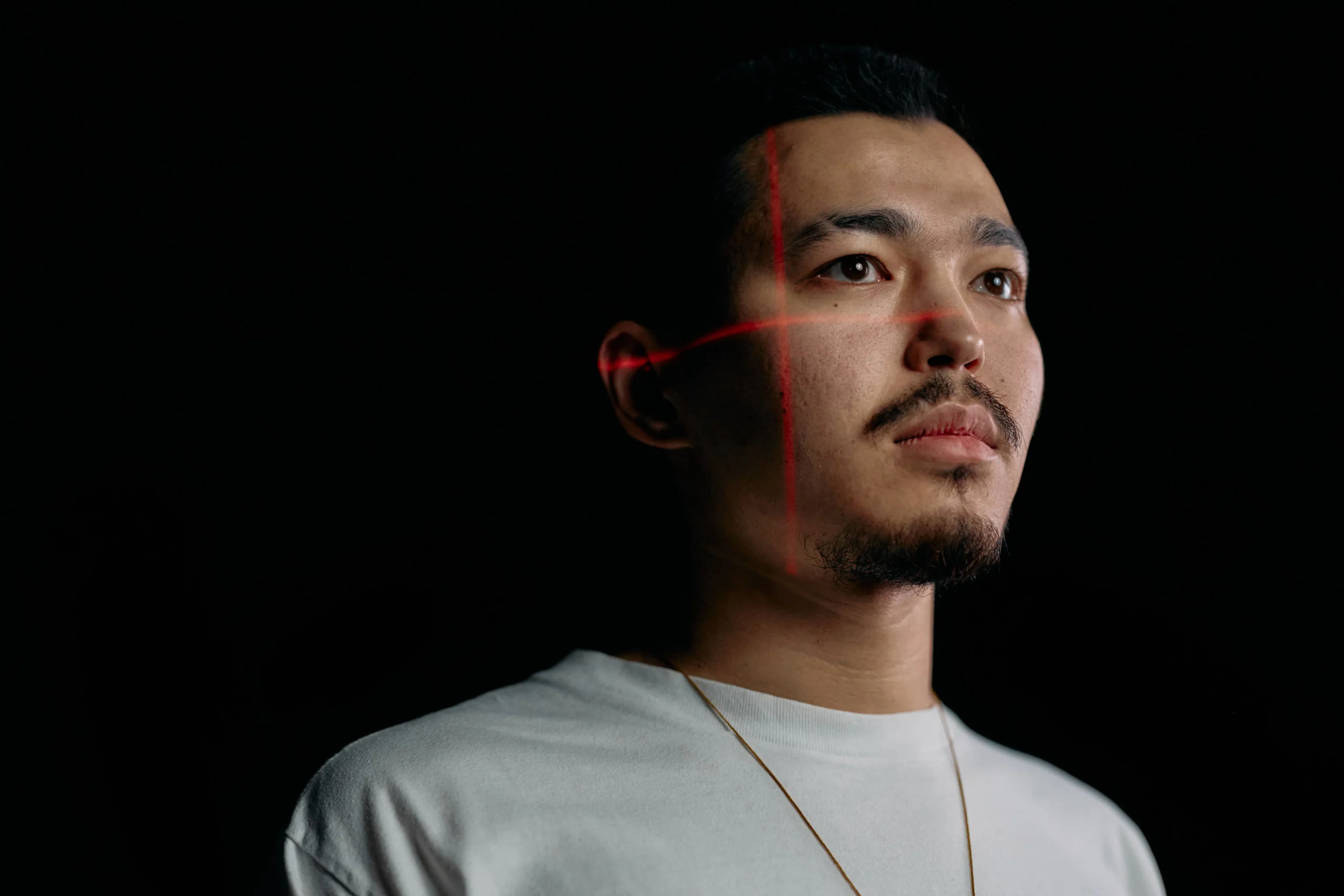
Photo by cottonbro studio on Pexels
Common side effects: what to expect
Short, predictable reactions are normal after a laser hair removal session: mild redness, swelling, itching, and a sunburn-like sensation where the laser was applied. These usually subside within hours to a few days and are signs the follicle responded to treatment.
- Temporary redness and swelling (most common)
- Mild crusting or blisters in sensitive skin
- Short-term pigment changes (darker or lighter patches)
Most side effects are brief and manageable with simple aftercare.
Minor irritation is expected; persistent or worsening symptoms require a clinician review.
Less common but more serious risks
Serious complications are uncommon when treatment is done correctly, but you should be aware of them: burns, scarring, permanent pigment changes (hyperpigmentation or hypopigmentation), paradoxical hair growth in rare cases, and eye injury if proper eye protection isn’t used.
Newer technologies—diode and Nd:YAG lasers—have reduced many of these risks, especially for darker skin tones, but no laser is risk-free.
Small, controlled test patches reduce the chance of unexpected outcomes.
Contraindications and the RISK framework (Review, Identify, Screen, Keep-safe)
Apply a quick RISK check before booking: review medications and history; identify current skin conditions; screen for photosensitizing drugs; keep-safe by avoiding sun exposure.
Key contraindications: recent tanning or sunburn, isotretinoin (Accutane) within 6–12 months, active skin infection, open wounds or cold sores in the area, tattoos over the treatment zone, a history of keloids, and pregnancy (many clinics advise postponing).
Pre- and post-care that lowers complications: avoid sun for 4 weeks, stop retinoids and certain topical acids, shave (don’t wax) before sessions, follow cooling and sunscreen advice, and request a patch test.
A qualified assessment and adherence to pre/post-care are the most effective risk reducers.
Choosing a provider and considering at‑home devices
Select an experienced clinic using appropriate lasers for your skin type; ask about patch tests, provider credentials, and the device model. Expect 80–90% hair reduction after 3–8 sessions in many cases, with session costs often falling between $200–$400 depending on area and technology.
At‑home devices exist, but they’re lower-power and can be less reliable; weigh convenience against efficacy and safety.
If you’re in Amsterdam, compare reputable clinics and local options like amsterdam hair removal for guidance and pricing.
Laser hair removal offers durable hair reduction, but safe outcomes depend on realistic expectations, proper screening, and skilled application.
Ready to experience lasting smooth skin? Discover advanced laser hair removal treatments at Amsterdam Beauty Clinic and say goodbye to unwanted hair.
People Also Ask
What is the difference between laser waxing and laser hair removal?
The term ‘laser waxing’ is a common misconception. The accurate procedure is laser hair removal, which uses concentrated light to target and damage hair follicles for long-term hair reduction. Traditional waxing, on the other hand, removes hair from the root temporarily and does not affect the follicle’s ability to regrow hair.
How many laser hair removal sessions are needed for smooth skin?
Achieving truly smooth skin typically requires multiple laser hair removal sessions. This is because hair grows in different cycles, and lasers are most effective on hair in the active growth phase. Most individuals need between 6 to 8 sessions, spaced several weeks apart, to achieve significant and lasting hair reduction.
Can laser hair removal be used on all skin and hair types?
Laser hair removal is most effective on dark hair against lighter skin due to the contrast that allows the laser to target melanin. However, advancements in technology mean it can be safely and effectively used on a wider range of skin tones, including darker complexions, and even lighter hair colors with specific laser types. A consultation is crucial to determine suitability.
Is laser hair removal a permanent solution for unwanted hair?
Laser hair removal offers permanent hair reduction, meaning it significantly decreases the amount of hair that grows back over time. While it doesn’t guarantee 100% hairlessness forever, the remaining hair is often finer and lighter. Periodic maintenance sessions may be needed to address any regrowth, especially due to hormonal changes.
What are the potential risks or side effects of laser hair removal?
Common side effects are usually temporary and include mild redness, swelling, or discomfort similar to a sunburn. Less common risks can involve skin irritation, temporary pigment changes (lightening or darkening), and in rare cases, blistering or scarring. Choosing a qualified practitioner and following pre- and post-care instructions minimizes these risks.
How much does laser hair removal typically cost?
The cost of laser hair removal varies based on the size of the treatment area, the number of sessions required, the technology used, and the clinic’s location and expertise. Larger areas like legs or full body treatments will cost more than smaller areas like the upper lip. It’s important to consider the long-term value of reduced hair growth when evaluating the price.