What is Laser Hair Removal, and Why Consider it Now?
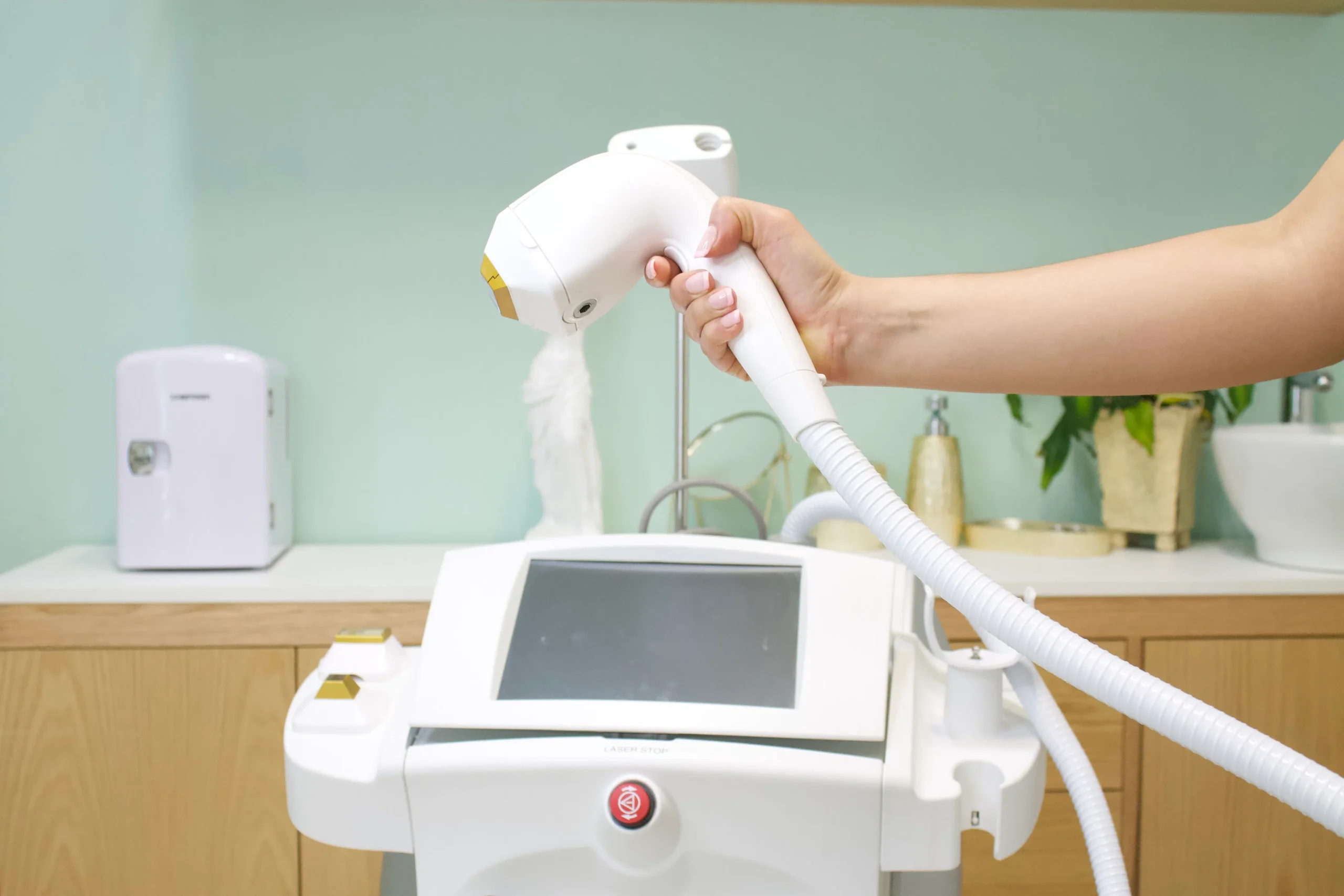
Laser hair removal is a targeted medical-aesthetic procedure that uses concentrated light to damage hair follicles and reduce future growth. Unlike promises of absolute, permanent hair removal, clinical outcomes typically fall into the category of long-term hair reduction—most patients achieve about 70–90% reduction after a full treatment series. Multiple sessions (commonly 2–6) spaced 4–6 weeks apart are required because lasers are most effective during specific hair growth phases.
Laser hair reduction is distinct from at-home IPL (Intense Pulsed Light) systems and from the concept of permanent hair removal. IPL devices use broader-spectrum light and can be less precise; professional laser systems deliver concentrated wavelengths for faster, more consistent reduction. Permanent hair removal implies total, irreversible elimination of follicles; in practice, clinicians and regulators frame results as long-lasting reduction rather than guaranteed permanence.
- Effectiveness: Best on darker hair with lighter skin, though technologies like Nd:YAG and advanced diode platforms now improve safety and outcomes for darker skin tones.
- Sessions & timing: Expect 2–6 treatments, spaced 4–6 weeks, aligning with hair growth cycles.
- Comfort: Modern diode lasers with advanced cooling make sessions far more tolerable—many describe only mild warmth or a snap-like sensation.
Laser hair removal offers reliable, long-term smoothness, not an absolute one-time cure.
Why consider it in 2026? The market is expanding and the technology is improving rapidly: next-generation diode lasers deliver greater precision, faster pulses, and stronger cooling—meaning fewer sessions and broader skin-tone suitability. Clinics like Amsterdam Beauty Clinic combine state-of-the-art equipment with experienced technicians and natural, vegan aftercare to maximize results while minimizing discomfort. Visit Amsterdam Beauty Clinic for a clear overview of available treatments and to compare professional options for long-term hair reduction.
Laser hair removal is the practical bridge between frequent temporary methods and the elusive promise of permanent hair removal—2026 technologies simply make that bridge faster, safer, and more accessible.
How Does Laser Hair Removal Work, and What Are Its Core Principles?
The single idea that changes expectations
Laser hair removal is less about “zapping hair” and more about interrupting biology. The treatment uses concentrated light to heat and disable hair follicles during vulnerable phases of the hair growth cycle, producing long-term hair reduction rather than true permanence.
How hair growth cycles determine timing
Hair grows in three phases: anagen (active growth), catagen (transition), and telogen (resting). Lasers are most effective during anagen because the follicle’s connection to the hair shaft is intact and contains the most melanin.
- Treatments are scheduled to align with hair growth cycles — typically every 4–6 weeks. Most people need about 2–6 sessions for optimal results.
Micro-summary: Timing with hair growth cycles is why multiple sessions are required; you can’t catch every follicle during its anagen phase in a single visit.
Melanin targeting: the engine of selectivity
Lasers target melanin (the pigment) in the hair shaft and follicle — this is called melanin targeting. Melanin absorbs the laser’s wavelength, converts light to heat, and damages the follicle enough to stop or slow regrowth. That’s why darker hair on lighter skin historically responded best.
Key insight: The contrast between hair pigment and skin pigment determines ease of targeting; more contrast = more efficient energy delivery.
Core laser types and when to use them
Think of devices along a safety–wavelength spectrum:
- Diode laser hair removal: A professional favorite for its balance of depth and melanin absorption. Modern diode systems include advanced cooling for comfort and faster treatment. Ideal for many skin types with high efficacy.
- Nd:YAG lasers: Longer wavelength that penetrates deeper and is safer on darker skin tones because it’s less absorbed by epidermal melanin. Great choice when contrast is low.
Laser hair removal technology has matured: next-generation machines deliver multi-wavelength options, better cooling, and faster pulses — reducing discomfort and session count.
Micro-summary: Choose diode for broad efficacy and comfort; choose Nd:YAG for darker skin and deeper follicles.
Expected outcomes and realistic expectations
Clinical outcomes typically show 70–90% hair reduction after a full series of treatments. Results vary by hair color, skin tone, and hormonal factors. At Amsterdam Beauty Clinic we combine state-of-the-art equipment and vegan aftercare to maximize results with minimal discomfort — learn more about our laser hair removal services.
Follow-up maintenance may be needed, but modern laser protocols deliver durable, noticeably smoother skin with fewer upkeep sessions than traditional methods like waxing or at-home IPL.
How Do You Prepare for and Undergo Professional Laser Hair Removal Sessions?
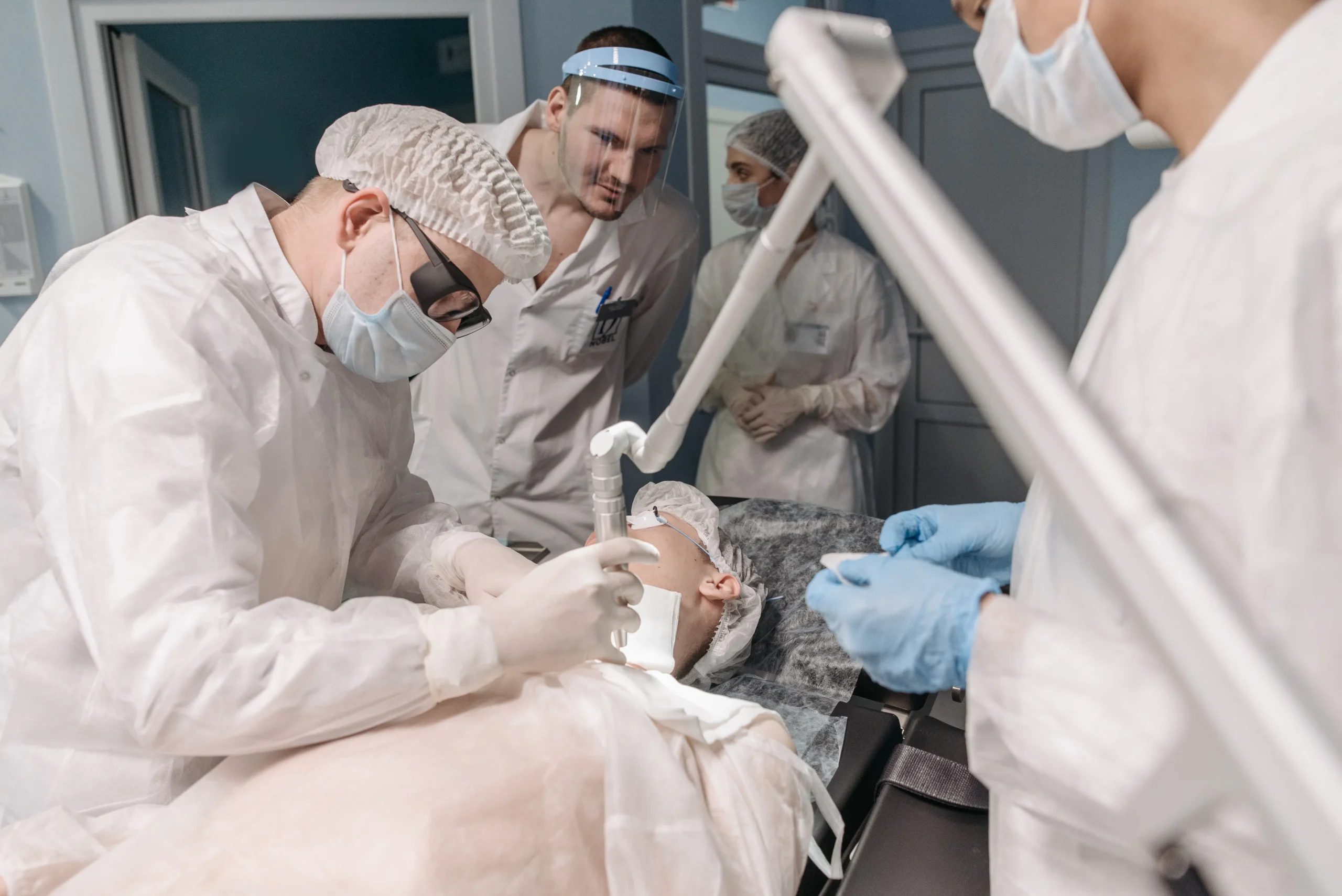
Photo by Pavel Danilyuk on Pexels
Start with a clear consultation and patch test
A great result begins before the laser is even switched on. Your provider will review medical history, skin tone, medications, and desired areas. At Amsterdam Beauty Clinic I prioritise a face-to-face consult and a small patch test to set the right device and settings for your skin.
Professional laser treatment is personalised — there’s no one-size-fits-all setting.
This step confirms candidacy, explains expected outcomes (typically 70–90% long-term reduction after a series), and maps a treatment plan of laser hair removal sessions.
Summary: Consultation aligns expectations and safety, and a patch test sets accurate machine parameters.
Laser hair removal preparation: exactly what to do before a session
- Avoid sun exposure and tanning for 2–4 weeks before treatment. Tanned skin increases risk and limits settings.
- Stop waxing, plucking or threading for 4–6 weeks; the laser targets the hair follicle, which must be present.
- Shave 24 hours before your appointment — shaving leaves the follicle intact while removing surface hair that would burn.
- Skip retinoids and chemical peels for a week beforehand; disclose all topical prescriptions.
Bold practical tip: arrive with clean, product-free skin to reduce irritation and ensure accurate laser targeting.
Summary: Proper prep optimises safety and allows higher, more effective laser settings.
What happens during a session
- You’ll wear protective eyewear while the technician confirms settings.
- Cooling (contact or cryogenic) is applied; modern diode and Nd:YAG systems reduce discomfort significantly.
- The technician performs systematic passes over the treatment area. Sensations range from warmth to a quick snap — many describe it as mild and tolerable.
- Sessions vary by area: small facial zones can take 10–15 minutes; full legs may take 45–60 minutes.
Summary: Sessions are fast, methodical, and increasingly comfortable thanks to advanced cooling technology.
Aftercare and planning your next visits
- Cool immediately, avoid hot baths/saunas for 48 hours, and use SPF on treated areas.
- Do not exfoliate or bleach hair between sessions.
- Book follow-ups every 4–6 weeks; most clients need 2–6 sessions for optimal results.
For trusted, professional laser hair removal and a full-services overview, see Amsterdam Beauty Clinic’s laser hair removal page: laser hair removal.
Final summary: Good consultation + correct preparation + experienced technician + consistent scheduling = the best laser hair removal outcomes.
What Are the True Costs of Laser Hair Removal, and How Can You Budget Effectively?
What really determines price — and how to budget for it
Costs aren’t mysterious — they’re predictable once you unpack the variables. The biggest drivers are treatment area size, number of sessions, clinic reputation and location, and the technology used (diode, Nd:YAG, advanced cooling). Expect wide ranges: small facial spots start low, while comprehensive plans push higher.
Average per-session ranges to anchor expectations:
- Small areas (upper lip, chin): $50–$150 per session.
- Medium areas (underarms, bikini): $150–$400 per session.
- Full-body sessions: $800–$2,000 per session.
Most patients need 2–6 treatments spaced 4–6 weeks apart; packages of 6–8 sessions are common and usually the best value. Use these facts to build a realistic total: multiply the per-session cost by the recommended sessions, then add 1–2 maintenance visits per year. This is where laser hair removal cost transparency matters.
Example budgets
- Face (upper lip + chin): $75/session × 6 sessions = $450 (plus possible single annual touch-up).
- Full program (full body): $1,200/session × 6 sessions = $7,200 total; expect maintenance costs after the initial series.
How to budget wisely
- Buy smart: opt for curated laser hair removal packages (6–8 sessions) rather than single treatments. Packages reduce per-session cost and lock in consistent treatment planning.
- Prioritize areas: start with high-impact zones (legs or bikini) and add smaller areas later to spread cost.
- Vet technology and staff: clinics using cooled-diode or Nd:YAG lasers often charge more — but you get faster sessions, less discomfort, and better results on darker skin.
- Locate strategically: urban centers usually cost more; suburban clinics can be significantly cheaper for comparable equipment.
At Amsterdam Beauty Clinic we recommend a consultation to map sessions, review machine choice and expected outcomes — this converts uncertainty into a clear budget and timeline.
Laser hair removal is an investment: plan by area, session count, and quality of care to avoid surprises and maximize long-term value.
Can At-Home Laser Devices Deliver Lasting Smoothness, and Which Ones are Best?

Photo by Tima Miroshnichenko on Pexels
If you want lasting reduction without clinic visits, at-home devices can be tempting — but they come with trade-offs. I see three clear contrasts that decide outcome: professional power vs consumer safety, laser vs Intense Pulsed Light (IPL), and consistency vs speed.
Professional clinics use higher fluence, multi-wavelength systems and trained operators; that’s why professional laser hair removal typically achieves 70–90% hair reduction after a series of sessions. At-home devices are deliberately lower-power to limit risk, so expect slower, smaller gains.
Short answer: yes — at-home devices can deliver long-term hair reduction if you commit to consistent treatments, but they’re less potent and often require more sessions than clinic lasers.
How they compare: effectiveness, safety, and comfort
- Effectiveness: Professional lasers (diode, Nd:YAG) are more precise and usually give longer-lasting reduction. IPL (Intense Pulsed Light) devices and consumer lasers can work, especially on dark hair/light skin, but often need 2–6+ treatments spaced 4–6 weeks apart.
- Safety: At-home devices are safe when used per instructions; they reduce risk by limiting energy levels. Still, avoid use on tanned or very dark skin without a device cleared for those tones.
- Comfort: No treatment is entirely painless, but modern diode lasers with cooling are the least uncomfortable. For many users, at-home devices are perceived as painless hair removal because sensations are milder.
Micro-summary: Professional = faster, stronger results; at-home = safer, slower, and budget-friendly when used consistently.
Popular, reliable at-home options
- Braun Silk·Expert Pro 5 — strong IPL, fast pulses, good for legs and body.
- Ulike Air+ — lightweight, laser-based options focused on face and small areas.
Choose devices cleared for your skin tone and hair color and follow patch tests.
Micro-summary: Pick a reputable device, be realistic about timelines, and follow the protocol.
If you want a hybrid approach, consider starting at home and consulting a clinic for stubborn areas. At Amsterdam Beauty Clinic we combine advanced diode systems, expert assessment, and natural, vegan aftercare to maximise comfort and results — and you can read more about safe DIY options on our at-home laser hair removal page.
What Tips and Best Practices Will Maximize Your Laser Hair Removal Results?
Pre-treatment priorities: set yourself up for success
Start by treating laser as a medical-aesthetic program, not a one-off beauty hack. Book a consultation and a patch test; technicians must tailor settings to your skin tone and hair type. Most patients need 2–6 sessions spaced 4–6 weeks apart to align with hair growth cycles and reach the typical 70–90% long-term reduction.
- Shave the area 24 hours before your appointment; do NOT wax or pluck (those remove the follicle target).
- Avoid sun exposure and tanning for 2–4 weeks prior; melanin in tanned skin raises risk and reduces efficacy. If you must be outdoors, use a broad-spectrum sunscreen.
- Pause photosensitizing topical products (retinoids, glycolic acids) per your clinician’s timeline — usually 3–7 days.
Good preparation multiplies effectiveness; poor prep is the single biggest reason treatments under-deliver.
In short: shave, avoid tanning, and follow pre-visit med/skin instructions.
During treatment: accuracy, comfort, and communication
Modern diode and Nd:YAG systems reduce discomfort and expand safe treatment across skin tones. Tell your technician about medications, recent sun, or sensitivities. Expect cooling, short pulses, and a technician who tests settings on a small area first.
- Stay still and breathe with each pulse; report unexpected pain or sensations immediately.
- Ask for a patch-test if you have darker skin or prior hyperpigmentation.
Micro-summary: Clear communication and modern tech minimize risk and maximize results.
Laser aftercare: quick wins that protect your investment
Post-treatment care — laser aftercare — is where many gains are locked in.
- Use cool compresses and gentle, fragrance-free moisturizers.
- Avoid hot baths, saunas, heavy exercise, and direct sun for 24–72 hours.
- No aggressive exfoliation or chemical peels for at least 1–2 weeks; use SPF 30+ daily.
- Expect temporary redness or “sunburn” sensation; contact your clinic for prolonged reactions.
Consistent aftercare speeds recovery and keeps pigmentation risks low.
Common laser hair removal mistakes to avoid
- Tanning before sessions. 2. Plucking/waxing between appointments. 3. Skipping recommended sessions — irregular timing undermines efficacy. 4. Choosing price over provider expertise.
If you want a practical, clinic-backed plan, I recommend reading our full guide on the clinic approach: laser hair removal tips. At Amsterdam Beauty Clinic we combine advanced lasers, experienced technicians, and vegan aftercare to help you get predictable, comfortable results.
Final takeaway: plan, communicate, protect — and treat laser hair removal as a short program for long-term smoothness.
How Do You Troubleshoot Common Issues and Maintain Your Smoothness Post-Treatment?

Quick reality check: most post-laser issues are temporary—and fixable.
Small redness, itching, or patchy regrowth don’t mean the treatment failed. They’re signals: treat them quickly, track them, and you’re back on the path to lasting smoothness.
Troubleshooting common laser hair removal problems
-
Redness and mild swelling (hours–48 hours)
- Cause: predictable inflammation from heat.
- Fix: cool compresses, fragrance‑free moisturizer, and short-term avoidance of hot showers. Over-the-counter hydrocortisone 1% can help for persistent irritation. See your provider if symptoms worsen or blistering occurs.
-
Blisters, burns, or blistered skin
- Cause: incorrect settings or inadequate cooling.
- Fix: keep area clean, apply sterile dressings, avoid popping blisters. Seek medical review within 24–48 hours. Document photos for your clinic.
-
Hyperpigmentation or hypopigmentation
- Cause: post‑inflammatory pigment changes, more common with recent sun exposure or darker skin tones.
- Fix: strict sunscreen, topical brightening agents only when recommended, and delayed retreatment until skin normalizes. Advanced lasers (like Nd:YAG) reduce this risk for darker skin.
-
Paradoxical hypertrichosis (new fine hairs)
- Cause: rare; low‑fluence stimulation of follicles.
- Fix: reassess energy settings and pulse duration with your technician; additional, properly calibrated sessions usually correct it.
-
Poor reduction or early regrowth
- Cause: wrong timing in hair cycle, insufficient sessions, or suboptimal settings.
- Fix: follow a series of 2–6 treatments spaced 4–6 weeks; switch to a device better suited to your hair and skin type.
-
Ingrown hairs and folliculitis
- Cause: residual hairs or bacterial inflammation.
- Fix: gentle exfoliation, topical antiseptics, and short courses of antibiotics if infected.
Bold takeaway: document symptoms, take photos, and contact your clinic early—early adjustments prevent small issues from becoming complications.
Keeping smooth long term: a maintenance playbook
- Commit to the full series (expect 70–90% reduction) and schedule annual touch‑ups as needed.
- Use SPF daily and avoid direct sun 2 weeks before and after sessions to minimize laser hair removal risks.
- Shave, don’t wax or pluck between sessions; shaving preserves the follicle for effective targeting.
- Maintain skin health with gentle exfoliation, fragrance‑free moisturizers, and the clinic’s recommended vegan soothing products.
At Amsterdam Beauty Clinic we combine advanced cooling diode and Nd:YAG protocols with natural aftercare to reduce side effects and optimise results—learn more about our approach to safe, effective “laser hair removal” here: https://amsterdambeautyclinic.nl/all-services/.
Micro‑summary: most side effects are manageable with prompt, simple care; long‑term success depends on correct technology, a full treatment course, sun discipline, and periodic maintenance.
Ready for long-lasting smoothness? Discover advanced laser hair removal treatments at Amsterdam Beauty Clinic and achieve your desired results by 2026.
People Also Ask About Laser Hair Removal
Is laser hair removal permanent or long-term reduction?
Laser hair removal is not a permanent solution but offers significant long-term hair reduction, typically achieving 70-90% reduction after a series of treatments. The remaining hair is often finer and lighter. Consistent treatments are key to maintaining these results.
How many laser hair removal sessions do I need for optimal results?
Most individuals require 2 to 6 professional laser hair removal sessions to achieve optimal results. These sessions are usually spaced 4 to 6 weeks apart to align with the hair growth cycle, ensuring maximum effectiveness for long-term hair reduction.
Can laser hair removal be done on all skin tones?
Advancements in laser technology, such as Nd:YAG lasers, now make laser hair removal safer and more effective for darker skin tones. While contrast between hair and skin is ideal, modern diode lasers can effectively treat a wider range of skin types with proper settings and expert application.
What is the difference between professional laser and at-home IPL devices?
Professional laser hair removal uses a precise laser beam targeting hair follicles for more effective and longer-lasting results. At-home IPL (Intense Pulsed Light) devices are generally less powerful, may require more sessions, and are better suited for maintenance or lighter hair reduction.
How can I prepare for a laser hair removal session?
Before your session, avoid sun exposure, tanning beds, and waxing for at least 4-6 weeks. Shave the treatment area 24 hours prior, as the laser targets the root. Avoid applying lotions or deodorants to the skin on the day of treatment.
What are the main cost factors for laser hair removal?
The cost of laser hair removal depends on the size of the treatment area, the number of sessions needed, the technology used, and the clinic’s location and reputation. Opting for package deals or focusing on specific zones can help manage the overall expense effectively.