What is a Professional Waxing Session, and Why Should You Consider It?
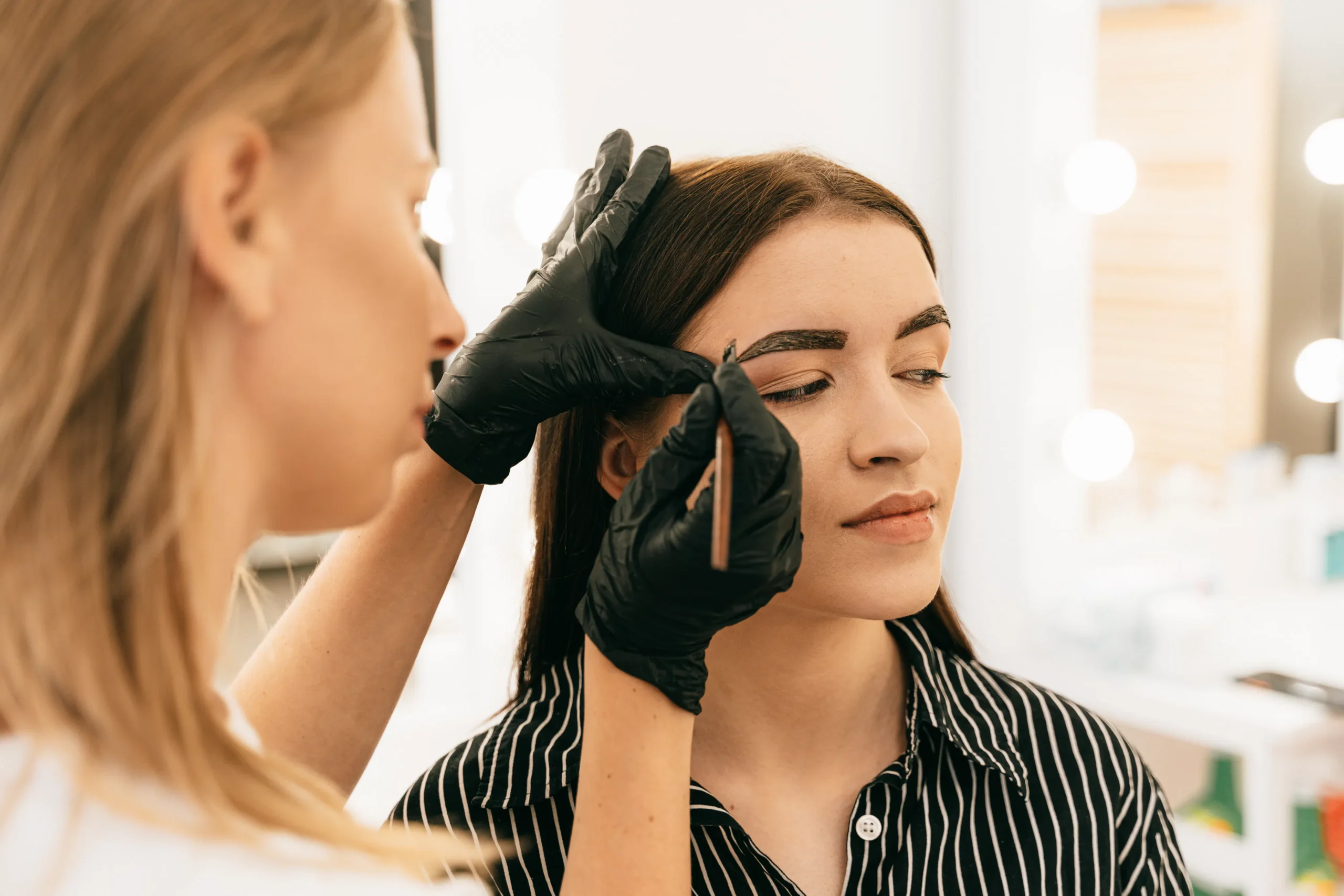
What a professional waxing session actually is—and why it matters
Think of professional waxing as a precision routine for your skin: controlled, hygienic, and designed for lasting smoothness. Aline here — I’ve overseen treatments where technique, product choice, and post-care make all the difference between short-term removal and weeks of soft, bump-free skin.
Professional waxing is more than peeling hair away. Salons follow sanitation protocols, use high-quality formulations (many clinics now prefer natural, vegan products), and select the right wax for the area — hard wax for sensitive zones like the bikini and face, soft wax with strips for larger areas such as legs. The global hair removal wax market was valued at $11.7 billion in 2023, reflecting how many people choose this proven approach.
- Faster, more thorough hair removal than most at-home methods
- Reduced risk of ingrown hairs when done correctly
- More comfortable experience from trained technicians
- Consistent results you can schedule every 3–6 weeks
Professional waxing delivers longer-lasting smoothness and fewer ingrown hairs than most at-home methods.
What to expect in short: your technician cleans the area, applies wax in the direction of growth, and removes it against the hair direction (or peels hardened wax for hard wax). A soothing post-wax lotion is applied. Proper preparation (exfoliate 24–48 hours before; hair ~¼ inch) and post-wax care (avoid sun, hot showers, tight clothing) maximize results.
At Amsterdam Beauty Clinic we combine modern techniques and state-of-the-art equipment with gentle, natural products to make your waxing experience both effective and minimally discomforting. If you’re weighing options, compare this professional route with DIY methods and laser-based alternatives to choose the best fit for your goals.
A professional waxing session is an investment in consistent, healthier-looking skin — predictable appointments, expert technique, and good aftercare equal longer-lasting soft skin.
How Can You Best Prepare for Your Waxing Appointment?
Walk into your appointment with a plan — small actions before your session make the difference between a tuggy experience and a comfortable, long-lasting result.
The PREP framework: Plan, Ready, Expose, Protect
- Plan: Book when hair is at least 1/4 inch (about the size of a grain of rice). If your hair is too short, the wax can miss strands; too long and removal becomes more painful.
- Ready: Exfoliate gently 24–48 hours before to remove dead skin and free trapped hairs. Avoid harsh peels or retinoids for at least 3–5 days before waxing.
- Expose: On the day, arrive with clean, product-free skin — no oils, heavy lotions, or perfumes. These interfere with wax adhesion.
- Protect: Wear loose clothing after your session to reduce friction and irritation. Skip hot baths, saunas, and intense workouts for 24–48 hours.
A few clinician-level tips I always share: consider an over-the-counter pain reliever about 30–60 minutes before if you have low tolerance, avoid caffeine which can heighten sensitivity, and schedule around your cycle (skin can be more tender during menstruation).
Practical checklist to print or save
- Exfoliate 24–48 hours before
- Hair length ~1/4 inch
- No topical oils or heavy creams on appointment day
- Skip chemical peels/retinoids 3–5 days prior
- Pain reliever if needed, and hydrate
- Inform your technician of medications, skin sensitivities, or recent sunburn
Exfoliation and timing matter: proper prep improves hair removal efficiency and reduces ingrown hairs. Micro-summary: prepping correctly saves time, reduces discomfort, and extends the smoothness of your results.
For those searching for reliable studios or “waxing near me,” choose a clinic that emphasizes hygiene and uses gentle, natural formulations. Amsterdam Beauty Clinic specializes in advanced, minimally discomforting waxing using natural, vegan products — their full service list is available under the waxing section. If you want a local comparison, check this guide to the best waxing salons in Amsterdam.
At-home waxing tips: between appointments, exfoliate 2–3 times weekly and moisturize daily to prevent ingrowns; avoid picking at new regrowth.
Micro-summary: A short pre-wax routine — exfoliate, clean skin, correct hair length, and avoid irritants — is the single most effective way to make your waxing appointment comfortable and successful.
What Exactly Happens During Your Professional Waxing Session?
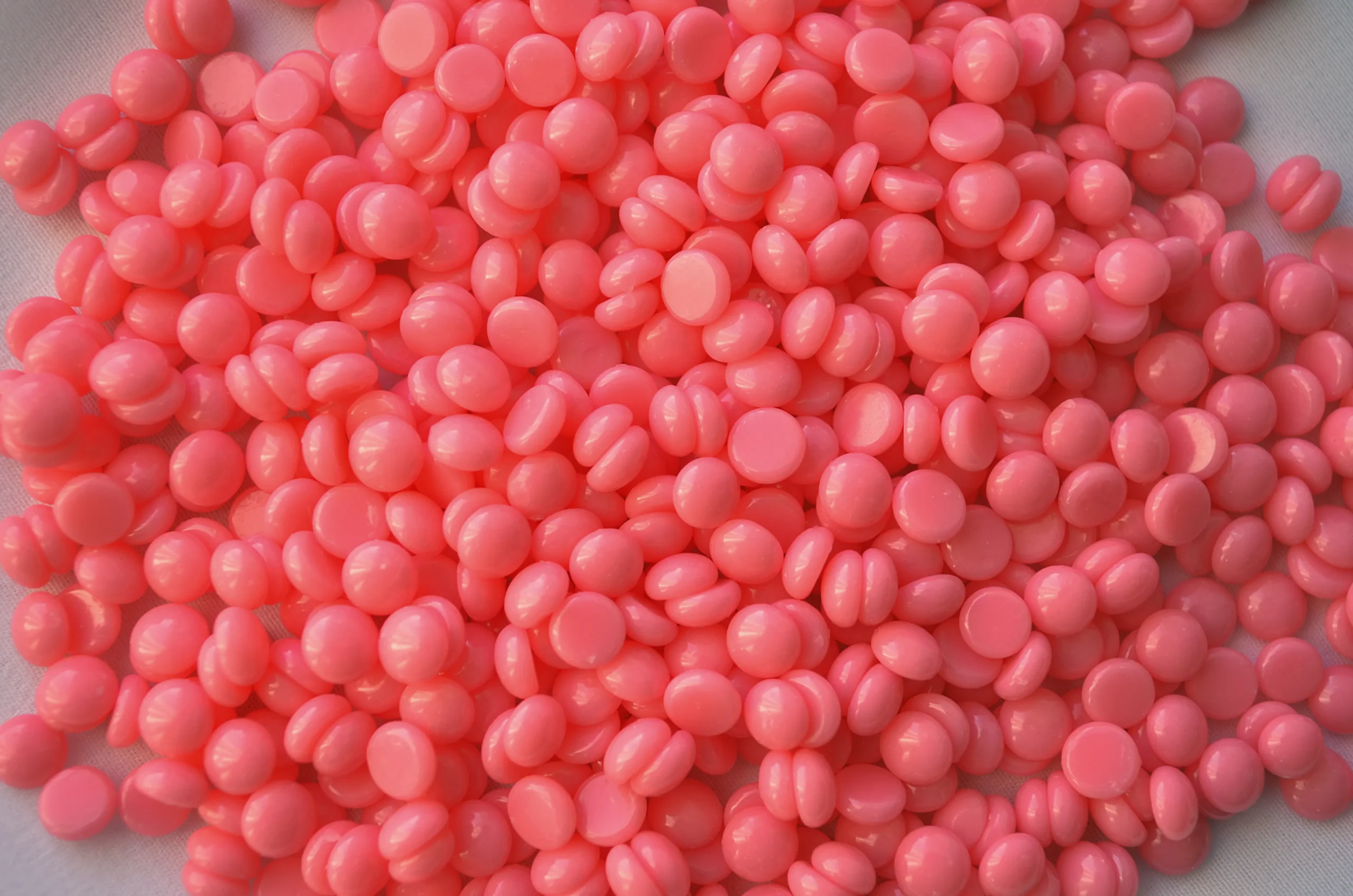
You walk into a calm treatment room and leave with smoother skin — but what happens between those moments matters. I’ll break the professional waxing session into a clear, repeatable framework so first-timers know what to expect.
PREP → REMOVE → SOOTHE (the three-step framework)
1) Preparation: quick checks that set a successful waxing experience
Your technician confirms your medical history, checks hair length (about ¼ inch is ideal), and asks about recent products. The area is cleansed with an antiseptic wipe. For sensitive zones they may dust a light talc to improve grip.
• Exfoliation 24–48 hours before your appointment improves results.
• Avoid lotions or oils the day of the appointment.
Micro-summary: proper prep shortens the session and reduces irritation.
2) Removal: what you’ll feel and the difference between wax types
Technicians choose soft wax or hard wax depending on the area. Hard wax is preferred for face and sensitive zones because it adheres to the hair, not the skin; soft wax uses strips and is better for larger areas.
The brazilian wax process and bikini wax follow the same principles but differ in scope: a bikini wax removes hair around the panty line; a Brazilian wax removes most or all hair from the pubic area. For eyebrow waxing, smaller beads of hard wax or precision soft wax are used for controlled shaping.
Step-by-step during removal:
- Technician warms and checks wax temperature.
- Wax is applied in the direction of hair growth.
- For soft wax, a strip is pressed on and pulled off quickly against hair growth. For hard wax, the wax is allowed to harden then peeled off directly.
- Small tweezing addresses missed hairs; a soothing lotion is applied between strips when needed.
Bold insight: Experienced technicians minimize pain by stretching the skin and removing hair in rapid, precise movements.
Micro-summary: removal combines technique, wax choice, and skin control to maximize effectiveness and comfort.
3) Aftercare: immediate and 48-hour rules
Calm the skin with a post-wax lotion; avoid sun, hot baths, tight clothing, and heavy workouts for 24–48 hours. Exfoliate gently 3–4 days later to prevent ingrown hairs.
Micro-summary: smart aftercare protects results and reduces complications.
If you want advanced, minimally discomforting options or vegan products, waxing at Amsterdam Beauty Clinic integrates state-of-the-art techniques with natural formulations to create a better experience.
What Are the Differences Between Hard Wax and Soft Wax, and Which Is Right For You?
Choosing the right wax isn’t cosmetic trivia — it changes comfort, longevity, and the risk of irritation. Whether you’re booking your first appointment or refining a regular routine, understanding hard vs soft wax helps you get the smoothest, healthiest result.
What hard wax and soft wax actually do
Hard wax: melts, is applied warm, encases the hair, cools and is removed without cloth strips. It grips hair stronger than skin, so it’s gentler on delicate zones. This is why hard wax benefits are most visible in the bikini area, underarms, and around the face.
Soft wax: a more fluid formula that’s spread thin and removed with muslin or paper strips. It adheres to both hair and skin — efficient for large, less-sensitive areas like legs, arms, and backs.
- Hard wax benefits: less irritation, lower risk of tearing or bumps, excellent for coarse or short regrowth.
- Soft wax strengths: faster coverage of large areas, cost-effective, ideal for fine hair across broad surfaces.
Micro-summary: Hard wax protects sensitive skin by clinging to hair; soft wax covers more surface area quickly.
Which to choose — a practical, technician-led framework
Use the “Area — Hair — Sensitivity” decision rule technicians rely on:
- Area: small/sensitive (bikini, face, underarm) → hard wax.
- Hair type: coarse or short → hard wax; fine, long → soft wax works well.
- Skin sensitivity: reactive or prone to ingrowns → hard wax preferred.
Examples:
- Bikini/Brazilian, face, underarm: hard wax.
- Legs, arms, back, chest: soft wax.
Bold insight: A skilled technician at a reputable body waxing salon tailors the wax type to each zone rather than using one method for the whole body.
Micro-summary: The right wax is chosen per zone — not one-size-fits-all — based on hair and skin.
Final notes and trusted options
At Amsterdam Beauty Clinic we combine state-of-the-art technique with natural, vegan formulas to reduce discomfort and prevent ingrown hairs. If you want a local perspective on selection and technique, see our guide to waxing in amsterdam, or explore our full services and book professional waxing.
Micro-summary: Choose hard wax for sensitive or coarse areas and soft wax for large, fine-haired surfaces — and always rely on a trained technician for best results.
How Can You Ensure Lasting Smoothness After Your Wax?

The minutes and days after a wax determine whether you enjoy truly smooth skin after waxing — or a short-lived result marred by irritation and ingrown hairs. Below is a practical, clinic-tested approach I use at Amsterdam Beauty Clinic to extend results with minimal fuss.
The R.I.S.E. aftercare framework (simple, repeatable)
- Rinse & Rest (first 0–48 hours)
- Clean the area with a gentle, fragrance-free cleanser. Avoid hot showers, saunas, and exercise that cause heavy sweating for 24–48 hours.
Avoid heat and friction for 48 hours — that’s non-negotiable.
A quick micro-summary: immediate calm and minimal contact reduce inflammation and speed recovery.
- Insulate (clothing & sun)
- Wear loose fabrics and avoid tight garments that rub the skin. Skip sunbeds and direct sun exposure for at least 48 hours to prevent hyperpigmentation.
Micro-summary: less friction + no UV = fewer post-wax marks.
- Skincare (72 hours onward)
- Begin gentle exfoliation 72 hours after waxing, then 2–3 times weekly to prevent ingrown hairs. Use a soft scrub or a chemical exfoliant containing 1–2% salicylic acid for stubborn ingrowns.
- Moisturize daily with a non-comedogenic, fragrance-free lotion or a lightweight oil. Consistent hydration is the single best habit for soft skin waxing longevity.
Micro-summary: regular exfoliation and daily moisture keep follicles clear and skin soft.
- Evaluate & Schedule
- Keep waxing appointments every 3–6 weeks based on your hair growth cycle. If you want longer-term reduction, explore options like laser hair removal for persistent smoothness — see our guide on lasting smooth skin for details.
Micro-summary: steady scheduling and the right long-term plan maintain results.
Practical tips: avoid picking at bumps, consider a post-wax cooling gel with aloe, and if ingrown hairs appear, treat early with gentle chemical exfoliation rather than physical digging.
If you want professional support, Amsterdam Beauty Clinic combines advanced techniques and vegan products to optimize waxing care — book waxing services at the clinic to get a tailored aftercare plan.
Final micro-summary: follow a short R.I.S.E. routine, hydrate daily, exfoliate regularly, and you’ll maximize the lifespan of your smooth skin after waxing.
Why Is Post-Wax Care Crucial for Maintaining Results and Healthy Skin?
Why post-wax care matters
A smooth wax finish can turn irritating, short-lived, or spotty overnight if you skip aftercare. Post-wax routines protect the hair follicle and the skin barrier, extending the time you enjoy smooth skin after waxing while cutting the risk of ingrown hairs, redness, and breakouts.
The R.I.S.E. aftercare framework (simple, clinic-tested)
- Rest: Avoid heat and friction for the first 24–48 hours — no hot showers, saunas, intense workouts, or tight clothing. This reduces inflammation and keeps pores closed.
- Isolate: Keep the area clean and chemical-free for 24 hours. Use a gentle cleanser; skip perfumes and heavy oils that trap bacteria.
- Soothe: Apply a cooling, fragrance-free balm (aloe vera, niacinamide or calendula-based) immediately after waxing to calm skin and reduce redness.
- Exfoliate (smartly): Start gentle exfoliation 48–72 hours after waxing and continue 2–3 times weekly to prevent ingrown hairs. Use a BHA (salicylic acid) or a mild physical exfoliant depending on skin sensitivity.
Following a short timeline makes the difference between temporary smoothness and long-lasting results.
Practical timeline + product guide
First 24 hours
- Clean with a mild, soap-free cleanser. Pat dry.
- Apply a soothing, fragrance-free gel (aloe vera or a post-wax lotion).
- Wear breathable cotton; avoid swims and sun.
24–72 hours
- Avoid exfoliants and strong active ingredients until after 48 hours.
- If bumps or tiny ingrown hairs appear, treat with a targeted serum containing 1–2% salicylic acid.
After 72 hours
- Reintroduce gentle exfoliation and a lightweight, hydrating moisturizer. Add daily SPF to protect exposed follicles and prevent pigmentation.
Preventing ingrown hairs and irritation — clinic tips
- Exfoliate regularly 2–3× weekly and moisturize daily.
- Don’t pick or tweeze regrowth.
- Maintain a consistent waxing schedule (every 3–6 weeks) so hairs grow uniformly.
- For sensitive zones, choose hard wax or professional techniques to reduce trauma.
At Amsterdam Beauty Clinic we use natural, vegan aftercare options and state-of-the-art techniques to minimise discomfort and support soft skin waxing results — learn more about our waxing services for personalised advice on post-wax routines: waxing. For local readers seeking recommendations, our guide to waxing in amsterdam outlines top practices and salon choices.
Consistent post-wax care is the bridge between a single appointment and lasting smoothness: protect, soothe, and then maintain.
What Are the Key Takeaways for a Successful Waxing Journey?
Quick, practical takeaways for a confident waxing experience
Your waxing experience should feel reliable, comfortable, and effective — not improvised. Treat waxing like a simple program: prepare, choose, execute, and maintain.
-
Preparation wins. Exfoliate 24–48 hours before, keep hair about ¼ inch, and skip lotions or oils on the day. Small prep steps reduce pain and improve hair removal efficiency.
-
Match the wax to the area. Hard wax for sensitive zones (bikini, face), soft wax for large areas (legs, arms). Choosing correctly reduces irritation and gives smoother results.
-
Choose a trained professional. Professional waxing means better hygiene, faster sessions, fewer ingrowns, and overall a calmer experience compared with DIY methods.
-
Post-wax care is non-negotiable. Avoid sun, hot showers, tight clothing, and harsh products for 24–48 hours. Exfoliate 2–3 times weekly and moisturize daily to maintain smooth skin after waxing.
-
Keep a schedule. Regular appointments every 3–6 weeks lead to finer regrowth and longer-lasting smoothness.
-
Consider options and innovations. Organic/vegan waxes and advanced methods like laser can complement your routine for longer-term reduction. Learn more about achieving lasting smooth skin with laser options.
A professional approach reduces discomfort and extends results — invest in the process, not just the session.
Micro-summary: Prepping well, picking the right wax, and following post-care are the three pillars of a successful waxing journey.
If you want dependable, minimally discomforting results delivered with natural, vegan products and modern techniques, consider booking a consultation for professional waxing at Amsterdam Beauty Clinic. Their trained team and range of services make it easy to turn one good session into consistently smooth skin after waxing.
Micro-summary: Consistency + professional technique + thoughtful aftercare = your smoothest outcomes.
Ready for effortlessly smooth skin? Experience the difference of expert care and discover lasting softness. Book your professional waxing session today at Amsterdam Beauty Clinic.
People Also Ask
How long does the hair need to be for waxing?
For optimal results, hair should ideally be about a quarter of an inch long, roughly the length of a grain of rice. If your hair is too short, the wax may not be able to grip it effectively. If it’s too long, your esthetician may trim it slightly for a more comfortable experience.
What should I avoid before a waxing appointment?
To prepare for your waxing session, avoid sun exposure, tanning beds, saunas, hot tubs, and strenuous exercise for at least 24-48 hours beforehand. Also, refrain from applying lotions or oils to the area to be waxed, as this can interfere with the wax’s adherence.
How often should I get waxed to maintain smooth skin?
The frequency of waxing depends on your individual hair growth cycle, but typically, most people benefit from waxing every 4-6 weeks. Consistent appointments help to weaken the hair follicle over time, leading to finer, sparser regrowth and longer periods of smoothness.
Can I wax if I have sensitive skin?
Yes, even with sensitive skin, professional waxing can be a great option. Experienced estheticians at Amsterdam Beauty Clinic use specialized techniques and products, like hard wax, which can be gentler on sensitive areas. Proper pre- and post-care is crucial to minimize any potential irritation.
What is the difference between a bikini wax and a Brazilian wax?
A bikini wax typically removes hair from the sides of the bikini line and sometimes a little off the top. A Brazilian wax is more comprehensive, removing almost all hair from the front, including the labia, perineum, and the area between the buttocks, often leaving a small strip or triangle at the front.
How can I prevent ingrown hairs after waxing?
To prevent ingrown hairs, regular exfoliation is key. Start exfoliating the waxed area a few days after your appointment, using a gentle scrub or an exfoliating mitt 2-3 times a week. Keeping the skin moisturized also helps hair grow out smoothly.