What is Your First Laser Waxing Appointment All About?

What your first appointment actually does (and why it matters)
Walking into your first laser session can feel like a small leap — and it should be treated that way. This guide explains what the initial appointment covers, who will benefit, what you’ll achieve, and why getting this first step right makes long-term smoothness possible.
If you’re considering your first laser waxing treatment because you want less shaving, fewer ingrown hairs, or a near-permanent reduction in growth, this section is for you. I’ll demystify the consultation, the patch test, and the immediate experience so you leave informed and confident.
Laser waxing (also called laser hair reduction) uses concentrated light to target hair follicles and inhibit future growth. The payoff: professional treatments can reduce hair growth by roughly 80–90% over a full course of sessions, making daily maintenance dramatically easier.
The first appointment is diagnostic, not dramatic. Expect skin and hair assessment, discussion of medical history, a patch test to check reactions, and a treatment plan that maps the number and spacing of sessions.
Common practical details:
- Preparation basics: avoid sun exposure, stop waxing/plucking for weeks, and shave 24–48 hours before your session.
- What happens during the session: cleansing, cooling gel, targeted laser pulses; most clients report a quick stinging or snap sensation.
- Costs and cadence: small areas can be €50–€300 per visit; larger areas €250–€900; multiple visits target different growth cycles.
Minor side effects like temporary redness or swelling are normal and usually resolve in days. Following pre- and post-care maximizes results and reduces complications.
I recommend learning more about professional approaches and the specific advantages of clinic-grade technology — read our in-depth piece on the clinical advantages of laser waxing benefits.
For tailored, state-of-the-art treatments that prioritize comfort and vegan products, explore Amsterdam Beauty Clinic’s full services, including laser hair removal.
Short summary: your first appointment sets expectations, tests your skin, and builds a plan — it’s the foundation of lasting hair reduction.
How Should You Prepare for Your Initial Laser Waxing Session?
Quick orientation: why prep matters
Your first laser waxing session sets the foundation for safe, effective hair reduction. Small preparation steps change how well the laser finds and disables hair follicles — and how comfortable the session feels.
Two weeks before: what to stop and what to start
- Avoid waxing, plucking, threading or electrolysis for at least 4–6 weeks before treatment. The laser needs intact follicles to work.
- Stop tanning and sunbed use 2–4 weeks before your appointment. Tanned skin increases the risk of pigmentation and reduces laser selectivity.
- Pause photosensitizing skincare (retinoids, AHA/BHA peels) at least 3–7 days before; disclose any prescription drugs such as isotretinoin to your technician.
If in doubt, mention every medication and recent skin treatment — transparency reduces risk.
A short summary: stop hair removal methods that remove the follicle, avoid tanning, and disclose meds and treatments.
24–48 hours before: shave, hydrate, and plan clothing
- Shave the treatment area 24–48 hours before your appointment. Shaving leaves the follicle in place while removing surface hair that would burn.
- Avoid lotions, deodorants, perfumes or topical creams on the day — clean, dry skin is required.
- Hydrate and eat a light meal so you’re comfortable during the session.
- For bikini laser wax or intimate areas, bring loose underwear and wear comfortable clothes after the appointment.
Short takeaway: shave, arrive clean, and dress for comfort — especially for sensitive areas like a bikini laser wax.
Day-of checklist for the clinic
- Arrive with a list of current medications and recent procedures.
- Expect a patch test on a small area if not already done.
- Ask about numbing options; modern clinics (like Amsterdam Beauty Clinic) use state-of-the-art cooling and vegan products to minimize discomfort.
Preparing well increases safety and speeds results; the initial visit is diagnostic as much as procedural.
Want a deeper primer before you book? Read this practical guide to decide if professional laser waxing fits your goals, and explore why laser hair removal at Amsterdam Beauty Clinic is a common next step.
What Really Happens During Your Laser Hair Reduction Appointment?
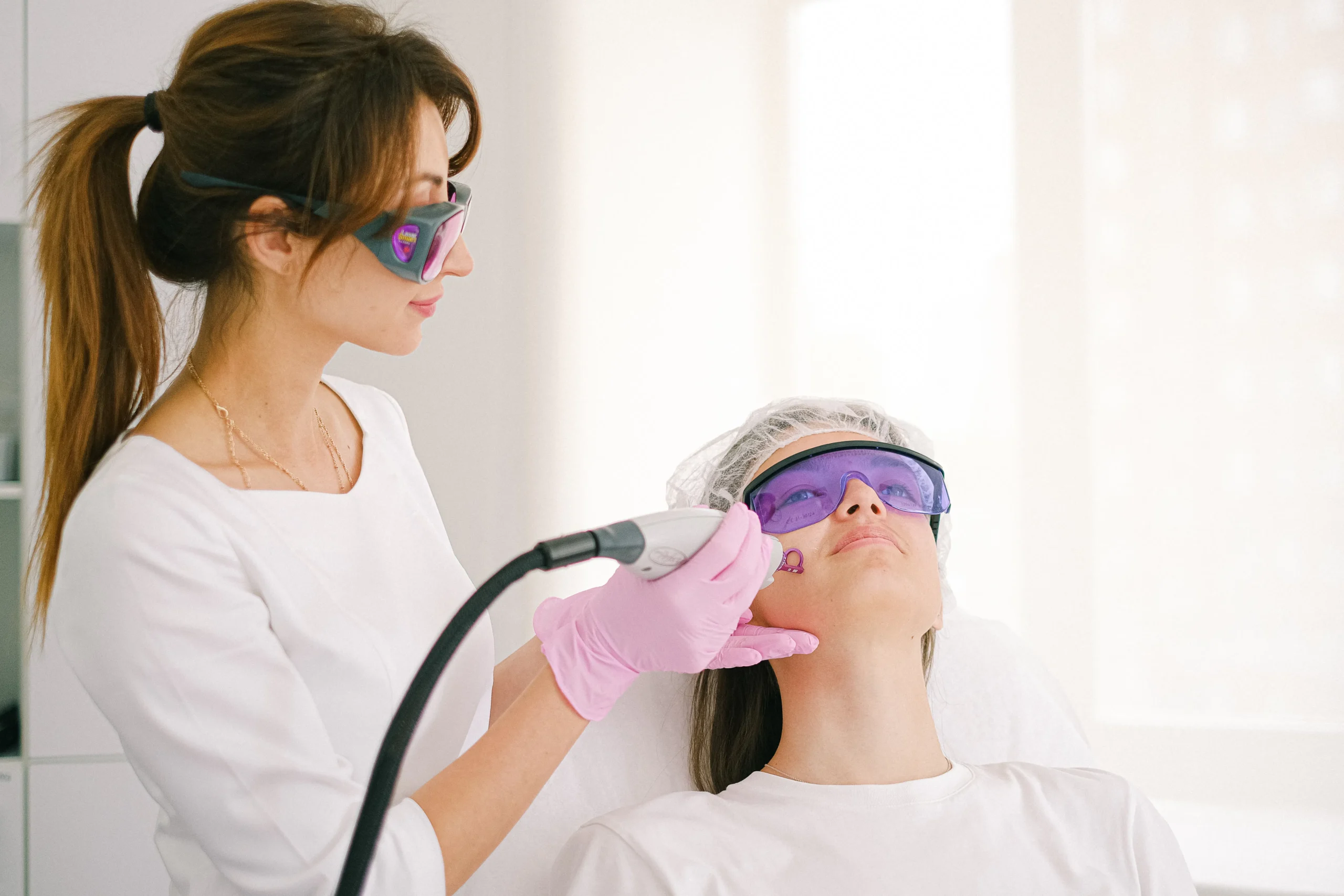
Photo by Anna Shvets on Pexels
You walk in with a question: will this hurt, how long, and what will the skin look like afterward? The appointment is designed to answer all three while targeting long-term reduction.
Step 1 — Consultation and patch test
The technician confirms your medical history, skin tone and hair colour, then explains realistic expectations: multiple sessions are needed and many clients see 80–90% hair reduction over a full course. A small patch test checks skin reaction and helps choose the safest laser (diode, alexandrite or Nd:YAG).
Short, focused planning prevents surprises.
Step 2 — Prep on the day
You’ll be asked to shave the area 24–48 hours before the session; waxing or plucking must be avoided for weeks. At the clinic we cleanse the area and may mark treatment zones for consistency. If you’re having a bikini or Brazilian laser hair removal, privacy and clear positioning are prioritised.
Clean prep equals better laser treatment results.
Step 3 — The laser pass (technology and sensation)
A cooling gel or integrated cryo-cooling reduces discomfort. The technician uses a handheld laser to deliver short pulses of concentrated light to follicles. Depending on your skin and hair, we select a wavelength that targets pigment while protecting surrounding skin.
Most people report a quick stinging or snapping sensation—often compared to a rubber band flick—or mild warmth. Modern machines and cooling make sessions far more tolerable than older systems.
Typical durations:
- Small areas (upper lip, chin): 5–10 minutes
- Underarms or bikini: 10–20 minutes
- Brazilian laser hair removal: 15–30 minutes
- Legs or back: 30–60 minutes
Short sessions + precise targeting = efficient appointments.
Step 4 — Aftercare and what to expect
Post-treatment skin is commonly red or slightly swollen for a day or two; these effects usually fade quickly. You’ll avoid sun exposure, use sunscreen, and keep the area moisturised. Expect hair to shed over 1–3 weeks and for additional sessions to be scheduled to catch hairs in different growth phases.
If you want a broader comparison and to understand suitability, our laser waxing guide covers candidacy and device differences in more detail: laser waxing.
Small discomfort, clear aftercare, and a planned series of sessions are the formula for reliable laser treatment results. At Amsterdam Beauty Clinic we combine advanced lasers with gentle, vegan-friendly care to prioritise comfort and lasting smoothness.
How Can You Ensure Best Results After Your Laser Waxing?
Immediate post-treatment: what to do in the first 24–72 hours
The moment you leave the clinic matters more than you think. Cold compresses and a gentle, fragrance-free moisturizer soothe treated skin and reduce redness and swelling. Avoid hot showers, saunas, heavy exercise, and direct sun exposure for at least 48–72 hours.
Keep the area cool, clean, and protected — this minimizes inflammation and sets the stage for optimal laser treatment results.
If you notice significant discomfort, a single dose of paracetamol (acetaminophen) or ibuprofen usually helps. Use a topical 1% hydrocortisone cream only if your technician advises it. Contact your clinic immediately for blisters, persistent pain, or unusual pigmentation changes.
Quick recap: immediate care reduces downtime and lowers risk of complications.
Days 3–14: support healing, encourage predictable shedding
Hair will often shed over the following 1–2 weeks — this is normal. Avoid plucking, waxing, or epilating: those remove follicles and interfere with subsequent laser sessions. Shaving is fine and recommended between sessions to keep skin smooth without disturbing follicles.
Exfoliate gently after 5–7 days with a mild scrub or chemical exfoliant recommended by your technician to prevent ingrown hairs and optimize smoothness with laser. Continue sunscreen (SPF 30+) daily to prevent post-inflammatory hyperpigmentation.
Micro-summary: protect pigment, avoid follicle trauma, and use measured exfoliation to enhance smoothness with laser.
Long-term strategy: consistency and realistic expectations
Laser treatments work best across multiple sessions because hair cycles differ. Expect an overall hair reduction of roughly 80–90% with a full course when you follow aftercare and attend follow-ups. This is how you approach permanent hair removal responsibly: scheduled sessions, tailored settings for your skin type, and disciplined aftercare.
Consistency beats one-off efforts — follow the plan and care routine to maximize lasting results.
If you want professional follow-up or personalized advice, book a consultation for advanced options like combined treatments at Amsterdam Beauty Clinic or learn more about our laser hair removal services.
Final takeaway: immediate cooling, sun protection, no plucking, gentle exfoliation, and consistent sessions are the clearest path to the best laser waxing guide outcomes and long-term smoothness.
What Are the Pro Tips for Achieving Permanent Hair Removal?

Pro tips for achieving truly permanent hair removal
Your first appointment is the foundation; real permanence comes from a disciplined process. I recommend the READY framework to turn promising results into lasting smoothness.
- R — Right technology for your skin: darker hair and lighter skin respond best to alexandrite and diode lasers; darker skin tones often need Nd:YAG or specialist settings. Ask your clinic about device choice.
- E — Expect multiple sessions: lasers target follicles in the active growth phase, so plan for 6–10 sessions spaced 4–8 weeks apart to reach that 80–90% reduction most clinics report.
- A — Avoid sun and plucking: sun exposure increases risk of pigmentation; waxing or plucking removes follicles needed for effective targeting. Shave 24–48 hours before treatment instead.
- D — Diligent aftercare: cool compresses, gentle moisturizers, and sunscreen (SPF 30+) protect results and reduce side effects like redness and swelling.
- Y — Your clinician matters: choose a qualified technician and modern equipment to minimize complications and maximize smoothness.
Small behavior changes between sessions compound into permanent results.
In short: pick the right laser, commit to the schedule, and protect your skin before and after each visit.
Common pitfalls and how to avoid them
- Expecting instant permanence: laser reduces hair growth dramatically but rarely removes every follicle in one pass.
- Chasing price alone: laser waxing cost varies—small areas can be $50–$300 per session, larger areas $250–$900. Cheaper clinics may cut corners on equipment or training.
- Ignoring skin changes: tanning, new medications, or hormonal shifts can affect outcomes; keep your technician informed.
Micro-summary: realistic expectations and quality over bargain hunting prevent most setbacks.
Final confidence boosters
Choose clinics that emphasize safety and comfort—Amsterdam Beauty Clinic uses state-of-the-art devices and natural, vegan products to deliver effective, minimally discomforting treatments. For more on professional techniques and what to expect during treatments, read our guide to the waxing experience.
Permanent hair removal is a process you manage as much as a technology. Stay consistent, follow aftercare, and partner with an expert for the best chance at lasting smoothness.
Can You Avoid Common Issues and Troubleshoot Laser Waxing Concerns?
Quick fixes and when to call for backup
Small setbacks after a laser waxing session are common — redness, mild swelling, temporary pigment shifts, or slower-than-expected results. Most common problems are avoidable with proper prep and a qualified technician. I’ll walk you through simple troubleshooting and the triggers that should send you back to a professional.
Common issues and practical solutions
- Redness and swelling: this is the most frequent response. Apply cool compresses, avoid hot showers for 24–48 hours, and use a gentle, fragrance-free moisturizer. Over-the-counter hydrocortisone (1%) can help for a day or two if irritation is persistent.
- Folliculitis and ingrown hairs: keep the area clean, exfoliate gently after 72 hours, and consider a topical antiseptic. If bumps are painful or spreading, consult your clinic.
- Hyper- or hypopigmentation: pigment changes often fade in weeks to months. Use broad-spectrum SPF daily and avoid sun exposure. If discoloration worsens, seek professional assessment — early intervention improves outcomes.
- Minimal hair reduction after initial sessions: remember laser hair reduction targets follicles in active growth phases; expect progressive improvement across multiple sessions. If results stall, your technician should reassess settings for your skin type and hair color.
Micro-summary: Follow simple cooling, cleansing, and sun-protection steps; most side effects resolve within days to weeks.
At-home devices vs clinic treatment
At-home laser removal devices can be tempting, but they usually have lower energy and fewer skin-type safeguards than professional systems. If you try at-home tools, stop immediately for any severe reaction and book a professional consultation. For many clients, clinic treatments deliver faster, safer laser treatment results under controlled settings.
When to seek professional help now
- Severe blistering, spreading redness, or signs of infection (pus, fever).
- New or worsening pigmentation after two weeks.
- No measurable hair reduction after a full recommended course of sessions.
Micro-summary: Escalate to a clinic when reactions are severe or results deviate from expected progress.
If you’re unsure, ask a trusted provider. Amsterdam Beauty Clinic uses state-of-the-art equipment and vegan aftercare products to minimize complications and tailor treatment plans — learn more about their approach to laser hair removal here: https://amsterdambeautyclinic.nl/clearer-skin-less-hassle-is-laser-hair-reduction-right-for-you/.
Why is Your Initial Laser Waxing Appointment Key to Long-Term Smoothness?
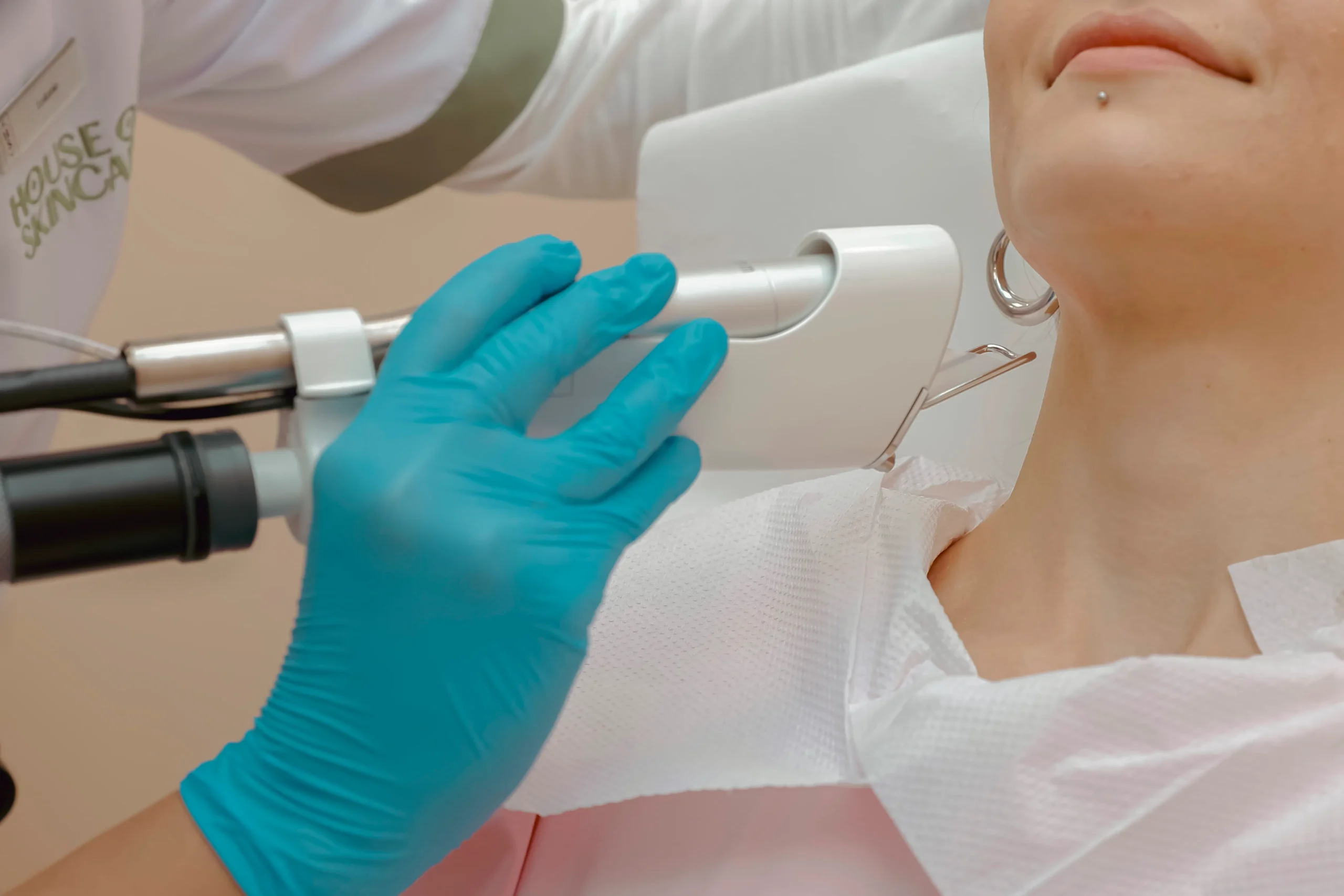
Photo by Khuram Naseem on Pexels
Why your initial laser waxing appointment is the foundation of long-term smoothness
The first laser waxing appointment is not a single treatment — it’s a diagnostic blueprint for the results you’ll see months and years from now.
At that first laser waxing visit a technician evaluates skin type, hair color, medical history, and photos your skin under magnification. They’ll perform a patch test and explain the expected timeline: multiple sessions are required because lasers target follicles in the active growth phase. This diagnostic step determines the laser settings and session cadence that maximize your chance of permanent hair removal while minimising side effects.
A precise first appointment reduces guesswork and speeds progress toward lasting smoothness.
Think in frameworks: I use the FOUND framework with clients to explain why the initial session matters.
- F — Find your baseline: skin tone, hair density, and any pigmentation issues.
- O — Opt for the right laser: wavelength choices matter for safety and efficacy.
- U — Understand the plan: number of sessions, costs per area, and timelines.
- N — Note pre/post-care rules: sun avoidance, shaving windows, and skincare.
- D — Document progress: photos and adjustments after each session.
This structured approach turns a single appointment into a multi-session strategy designed to reach typical outcomes — studies and clinic results show laser hair removal can reduce hair growth by about 80–90% when protocols are followed. Expect common, short-lived side effects like redness and swelling; your initial visit sets safety measures in place to manage them.
Costs vary (small areas $50–$300, larger areas $250–$900 per session), but the value compounds: fewer ingrown hairs, less daily maintenance, and the psychological lift of consistent smoothness with laser instead of temporary methods.
If you want to dive deeper, our laser waxing guide explains the technology and care sequence in detail. For personalised plans and advanced, minimally discomforting treatments using vegan products and state-of-the-art equipment, consider a consultation at Amsterdam Beauty Clinic focused on laser hair removal.
Book your first appointment with intention: the initial session is where the right laser, the right plan, and your commitment converge into long-term smoothness.
Ready for smoother skin? Discover a range of advanced laser treatments at Amsterdam Beauty Clinic and start your journey to lasting results today.
People Also Ask
What is the main purpose of the first laser waxing appointment?
The first laser waxing appointment is primarily diagnostic. It allows specialists to assess your skin type, hair color, and density, perform a patch test to check for reactions, and create a personalized treatment plan to ensure safety and optimal results.
How long does a typical laser hair reduction session take?
Session duration varies by the area being treated. Smaller areas like the upper lip might take only a few minutes, while larger areas such as the legs or back can take up to an hour. Your technician will provide a more precise estimate during your consultation.
Is laser waxing painful?
Most people describe the sensation as a rubber band snapping against the skin. Modern laser technology and cooling systems at clinics like Amsterdam Beauty Clinic minimize discomfort. The initial appointment includes a patch test to gauge your sensitivity.
What should I avoid doing before my first laser waxing session?
In the weeks leading up to your appointment, avoid tanning beds, sun exposure, waxing, plucking, or using depilatory creams. Shaving is usually recommended a day or two before, but always follow your clinic’s specific pre-treatment instructions.
How many laser waxing sessions are usually needed for permanent hair removal?
Multiple sessions are required because laser targets hair in its active growth phase. Typically, 6-8 sessions spaced 4-6 weeks apart are recommended for significant and long-lasting hair reduction. Your personalized plan will outline the exact number needed.
Can I use at-home laser hair removal devices instead of clinic treatments?
While at-home devices exist, clinic-grade lasers used at facilities like Amsterdam Beauty Clinic are significantly more powerful and effective, delivering faster and more permanent results. Professional treatments also ensure safety and proper application by trained technicians.