Sorting through the buzz about carbon peels in Amsterdam

Photo by Andrea Piacquadio on Pexels
I hear it all the time from clients walking through our doors at Amsterdam Beauty Clinic: questions about what a carbon peel really does, often fueled by conflicting information. It’s no wonder, given how much talk there is about the “Hollywood Peel” around town. Everywhere you look, there’s another promise of instant radiance or a magic fix for everything from pores to pigmentation.
But what most of those dazzling claims miss is the nuanced reality of how these treatments actually interact with your skin. You see, the urban environment here in Amsterdam, with its hard water and windy canals, creates unique challenges for skin recovery, making accurate information even more important. It isn’t always about that immediate glow; it’s about making smart choices for your long-term skin health.
Many people come to us believing that carbon peels can permanently shrink pores or completely eliminate acne after just one session. The truth is, while a carbon laser facial can effectively clear out follicular plugs, making pores appear smaller, they don’t actually have muscles to open or close. And though the treatment helps with active breakouts by targeting bacteria, it’s not a permanent cure without addressing underlying causes.
That’s why it’s so important to sort through the noise. There are a lot of carbon peeling Amsterdam myths circulating that can lead to unrealistic expectations or even less-than-ideal outcomes for your skin. We often see clients who’ve fallen for common carbon laser facial misconceptions in Amsterdam, expecting miracles when they really need a tailored approach.
My goal is to cut through that buzz, providing you with clear, honest insights into what these treatments can , and can’t , achieve. Understanding the genuine science behind a carbon peel is the first step toward making informed decisions about your skin journey, especially when considering any advanced skin treatment in Amsterdam.
The actual mechanics of a carbon facial, beyond the marketing
Understanding the actual mechanics of a carbon facial means looking past the “Hollywood Peel” moniker and into the precise laser physics at play. We’re primarily talking about a 1064nm wavelength laser, which is highly absorbed by the black carbon particles applied to your skin.
The Photoacoustic Effect: Pico versus Q-Switched Lasers
The real difference, and where marketing often gets muddled, comes down to the laser’s pulse duration. Traditional Q-switched lasers deliver pulses in nanoseconds, creating a rapid thermal effect. They’re effective, but the heat can sometimes increase the risk of post-inflammatory hyperpigmentation (PIH), particularly for diverse skin tones.
However, the shift to Picosecond (Pico) technology, which we favor at Amsterdam Beauty Clinic, means pulses are delivered in trillionths of a second. This ultra-fast delivery minimizes heat buildup significantly. Instead of a purely thermal action, Pico lasers create a photoacoustic effect.
This means the laser energy rapidly vibrates and shatters the carbon particles, which in turn causes a micro-explosion that disrupts the debris and dead skin cells within your pores. It’s a mechanical destruction, not a deep burn. This leads to better carbon peel results with less downtime and fewer complications, especially for clients concerned about PIH.
What Carbon Peels Actually Do for Urban Skin
The carbon paste acts as a photo-enhancer, making the laser’s job much more efficient at targeting impurities. The laser then effectively vaporizes this carbon along with any oil, dirt, and dead cells clinging to it. We see a significant reduction in sebum production; studies show it can be up to 30% after a single session, though that’s usually temporary.
For active cystic acne, the thermal energy does kill P. acnes bacteria, which is helpful. But it’s important to know you might experience a temporary “purge” as impurities are brought to the surface. Also, while a single treatment offers an immediate glow and texture improvement, addressing concerns like acne scarring typically requires a series of 4-6 treatments, spaced a few weeks apart. The carbon itself doesn’t penetrate the dermis for deep structural changes; its work is primarily on the surface and within the follicular unit.
Many clients come in hoping to “close” their pores before an event. Pores don’t have muscles, so they can’t actually open or close. What the treatment does is clear out the follicular plug, making pores appear smaller and less noticeable. This mechanical clearing, combined with minimized thermal impact, really makes a difference for urban skin constantly exposed to pollutants.
Five common carbon peel myths that need to go
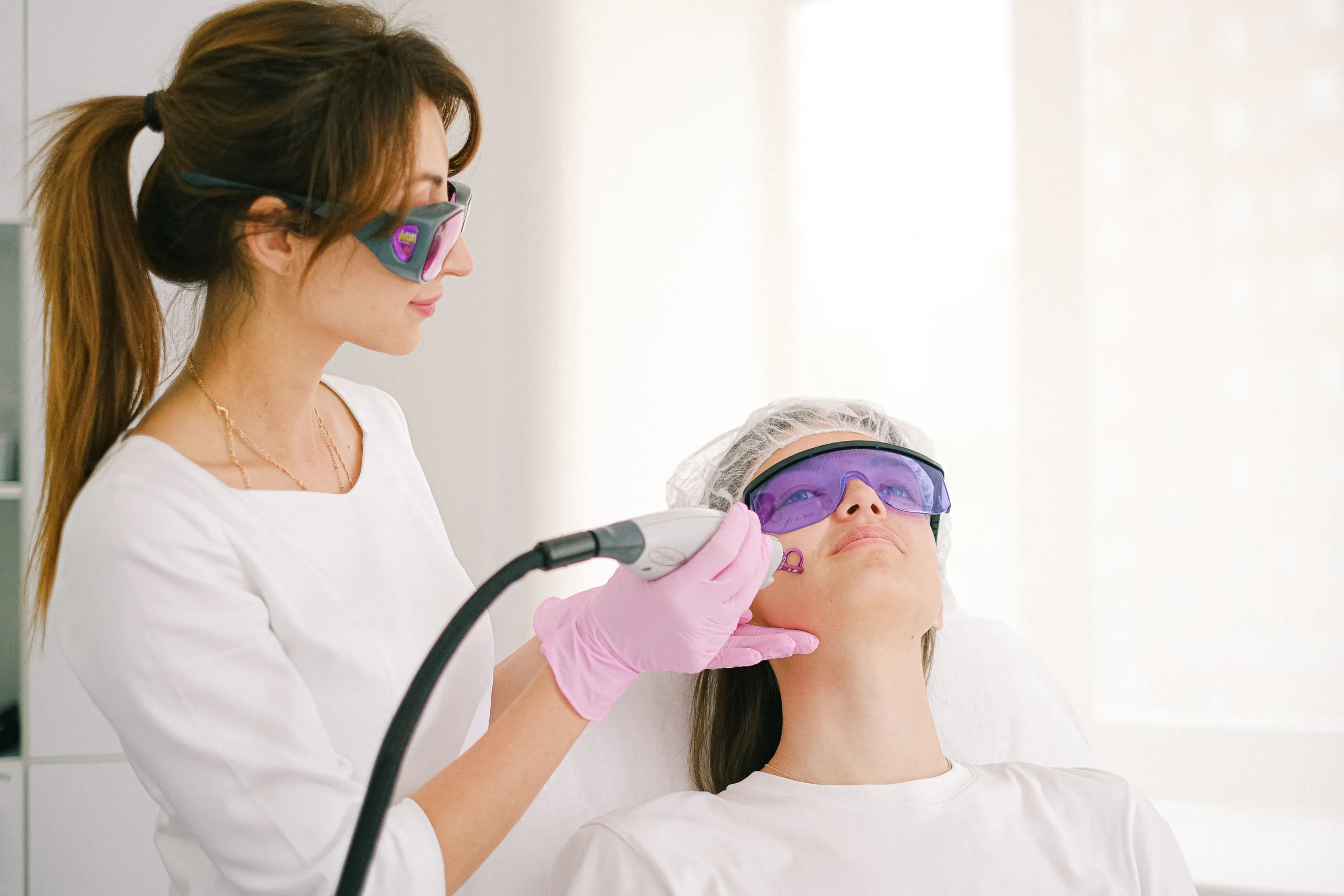
Photo by Anna Shvets on Pexels
Pores don’t have muscles; they can’t open or close. Yet, so many clients still come to our Amsterdam Beauty Clinic believing a carbon peel will physically shrink them. It’s a common thought, but it’s just not how pores work. What a carbon laser facial really does is clear out the follicular plug , that mix of oil, dead skin cells, and debris that makes pores appear larger. Once that blockage is gone, they certainly look smaller, but it’s not a permanent structural change to the pore itself.
Myth 2: A permanent cure for acne or oily skin
Many clients assume a carbon peel offers a permanent fix for chronic acne or excessive oiliness. And while a single session can reduce sebum production by up to 30% and kill P. acnes bacteria, it isn’t a ‘fix-all.’ If you’re not addressing underlying factors like diet or hormones, the results will only be temporary. We’ve actually seen cases where chasing that “permanent” solution by over-treating the skin compromises the skin barrier, making oiliness worse and even leading to sensitivity. For significant acne scar treatment in Amsterdam, you’re usually looking at a series of 4-6 sessions, not a one-and-done deal. It’s also smart to understand what goes wrong with carbon peeling in Amsterdam to set realistic expectations.
Myth 3: Carbon peels fix every skin issue
Some people believe a carbon laser facial can solve everything, from deep wrinkles to severe melasma. But the truth is, carbon peeling really excels at improving surface texture, controlling oil, and reducing superficial pigmentation. For deep collagen induction or structural scarring, though, other skin treatments like microneedling are more effective. And with deeper melasma, the heat from some laser settings can even make things worse. So, you really need to understand the actual benefits of carbon peeling instead of falling for broad claims, especially when you’re looking for Amsterdam carbon peel facts.
Myth 4: Skipping SPF on cloudy Amsterdam days after treatment
The Dutch weather’s often grey, which makes many people think SPF isn’t necessary after a carbon peel, especially in winter. But this is one of the most dangerous laser facial misconceptions I see. Newly exfoliated skin is incredibly vulnerable to UV radiation, even when it’s cloudy. That subtle, cumulative UV damage on post-treatment skin can easily lead to new pigmentation issues or slow down healing. You should always wear a broad-spectrum SPF 30 or higher, no matter the weather.
Myth 5: Visible skin ‘peeling’ like a chemical peel
The word “peel” often makes people imagine visible skin shedding, like after a chemical peel. But a carbon laser facial works quite differently. Instead of acids dissolving cellular bonds, the Pico laser’s photoacoustic effect vaporizes the carbon particles and the very top layer of dead skin. You’ll get immediate resurfacing and a glow, but usually without the days of visible sheet-like peeling you’d experience from a stronger chemical peel. It’s really about refinement, not dramatic flaking.
Why these skincare half-truths stick around
You know, I often see clients come into our beauty clinic in Amsterdam, convinced a carbon peel will ‘close’ their pores permanently, or that it’s a quick fix for every breakout. They’ve likely read something online, or heard it from a friend. But why do these specific laser facial misconceptions stick around so stubbornly?
The Echo Chamber of Outdated Information
A big part of the problem is information lag. Early carbon laser treatments, often using Q-switched lasers, had different protocols and outcomes than the advanced Pico technology we use today. Yet, old articles and forum posts keep circulating, perpetuating outdated Amsterdam skin myths. It’s like trying to navigate today’s traffic with a map from 1990; some things are still correct, but a lot has changed.
Then there’s the marketing. Many brands simplify complex skin science into catchy slogans. They promise an “instant glow” or “poreless skin” without explaining the underlying physiology or the temporary nature of some results. Honestly, that kind of oversimplification does a disservice to clients looking for genuine clear skin tips Amsterdam, setting unrealistic expectations from the start.
Not All Skin Conditions Are Equal
Another reason these half-truths endure is a lack of distinction between different skin conditions. Someone might hear a carbon peel helps acne, and assume it applies to severe cystic acne just as much as it does to mild congestion. The reality is, while carbon peels can address certain aspects of active acne by reducing sebum and targeting bacteria, they aren’t a standalone cure for deep, hormonal issues. Ignoring these nuances can lead to disappointment and further confusion.
Amsterdam’s Unique Environmental Factors
Our city itself contributes to some of these persistent ideas. Take Amsterdam’s notoriously hard water, for instance. It can leave mineral deposits on the skin, causing dryness or irritation, especially after a treatment that temporarily compromises the skin barrier. Clients might attribute post-treatment dryness to the peel itself, when in fact, their tap water is a significant factor. Similarly, the frequent wind exposure here can exacerbate dehydration, making it harder for the skin to recover if proper aftercare isn’t followed.
At Amsterdam Beauty Clinic, we focus on helping clients understand these connections. We don’t just perform treatments; we explain how they interact with your skin and your environment, offering genuine insights into achieving lasting results. It’s all part of our commitment to transparent and effective skin treatments.
Navigating your skincare choices in Amsterdam without the hype

Photo by Helena Lopes on Pexels
So, with all those persistent myths swirling around, here in Amsterdam where marketing can get a bit ahead of reality, how do you actually make smart choices for your skin? Honestly, it comes down to asking the right questions and trusting your gut when something sounds too good to be true.
How to spot misleading claims
When you’re looking into a carbon peel Amsterdam guide, don’t just take clinic websites at face value. Ask about the specific laser technology they use: is it a Pico laser, or an older Q-switched? There’s a significant difference in how your skin reacts, particularly regarding heat and the risk of pigmentation. A reputable clinic won’t hesitate to explain the nuances.
Also, question the timeline. If someone promises a complete skin transformation in just one session, or guarantees permanent results for conditions like oily skin or acne without addressing underlying causes, that’s a red flag. Realistically, significant improvements, especially for concerns like acne scars, often require a series of treatments, typically 4-6 sessions spaced 2-4 weeks apart, as research indicates.
Consider this common scenario: clients often seek a skin treatment Amsterdam like a carbon peel to ‘close’ pores before a major event. But pores don’t have muscles; they can’t open or close. The treatment simply clears the follicular plug, making them appear smaller, which is a key distinction. It’s about managing expectations and understanding the actual science behind the procedure.
Beyond the glow: embracing informed skin health for the long run
It’s easy to get caught up in the immediate appeal of a “Hollywood Peel,” especially when you’re looking for quick clear skin tips in Amsterdam. But lasting skin health doesn’t come from a single treatment, and it certainly doesn’t rely on hype. This guide has made one thing clear: truly understanding the carbon laser facial facts is essential. You need to know what a carbon peel actually does. It’s excellent for refining surface texture, temporarily reducing oil, and clearing out those follicular plugs that make pores appear larger. But it won’t permanently change your skin’s fundamental behavior, nor will it magically solve deep-seated issues like hormonal acne or extensive scarring.
My experience shows many clients come in seeking a quick fix for issues that really need a more layered approach. The reality is, carbon peel effectiveness is maximized when it’s part of a broader, informed skincare strategy. Think of it as a powerful tool in your kit, not the entire toolbox. We use advanced technologies, like Pico lasers, at Amsterdam Beauty Clinic to ensure minimal thermal impact and safer treatments, which is especially important for avoiding post-inflammatory hyperpigmentation. Even with the best technology, though, context matters.
If you’re considering a carbon peel, any reliable Amsterdam guide should always point you toward clinics prioritizing education over sales. Ask tough questions. Understand the difference between surface exfoliation and deeper dermal changes. Remember, factors like Amsterdam’s hard water or skipping SPF on cloudy days can quickly undo the benefits if you’re not careful. We’re committed to providing clear skin tips Amsterdam residents can trust, and that means being honest about both the strengths and limitations of any treatment.
Ultimately, achieving lasting skin health requires consistent, thoughtful care. That means you need to understand your skin, protect its barrier, and make choices that genuinely support its health for years to come. It’s about building a sustainable routine, not just chasing an instant glow from a single treatment. For more details on various skin treatments and how they fit into a comprehensive plan, you can always explore the detailed information at Amsterdam Beauty Clinic. We’re here to help you make informed choices for your unique skin journey.
Tired of the skincare hype? Get clear, informed advice on treatments like carbon peels and find the right solutions for your skin at Amsterdam Beauty Clinic.
People Also Ask About Carbon Peels in Amsterdam
What exactly is a carbon laser facial and how does it work?
A carbon laser facial involves applying a carbon lotion to your skin, which the laser then targets. The 1064nm wavelength laser is absorbed by the carbon particles, helping to break down oil, debris, and dead skin cells in your pores. It’s not about deep structural changes, but more about surface clearing and improving texture.
Can a carbon peel really ‘close’ my pores?
No, pores don’t have muscles and can’t open or close. What a carbon peel does is clear out the gunk inside your pores, like oil and dead skin. This makes them appear smaller and less noticeable temporarily, but it doesn’t permanently change their size.
How many carbon peels do I need for acne scars?
For significant acne scar remodeling, a single session usually isn’t enough. You’ll likely need a series of 4 to 6 treatments, spaced about 2 to 4 weeks apart. It’s important to manage expectations; it’s more about improving surface texture than deep scar revision.
Is a carbon peel safe for all skin types, especially in Amsterdam’s climate?
Generally, carbon peels are considered safe for most skin types, including darker tones, because the laser primarily targets the carbon, not the melanin. However, Amsterdam’s hard water can sometimes exacerbate dryness post-treatment, so using good emollients and SPF is crucial, especially since the skin is more sensitive.
What’s the difference between a Pico carbon peel and a traditional one?
Pico lasers deliver energy in trillionths of a second, which minimizes heat buildup compared to older Q-switched lasers. This reduction in thermal impact is great because it lowers the risk of post-inflammatory hyperpigmentation, making it a gentler option, especially for sensitive skin.
How long do carbon peel results typically last?
The ‘glow’ from a carbon peel is often temporary, usually lasting a few weeks. For ongoing issues like oiliness or minor pigmentation, you’ll need maintenance treatments. It’s not a permanent fix, and results depend on addressing underlying skin health factors too.