That instant carbon peel glow: what’s really happening in Amsterdam?
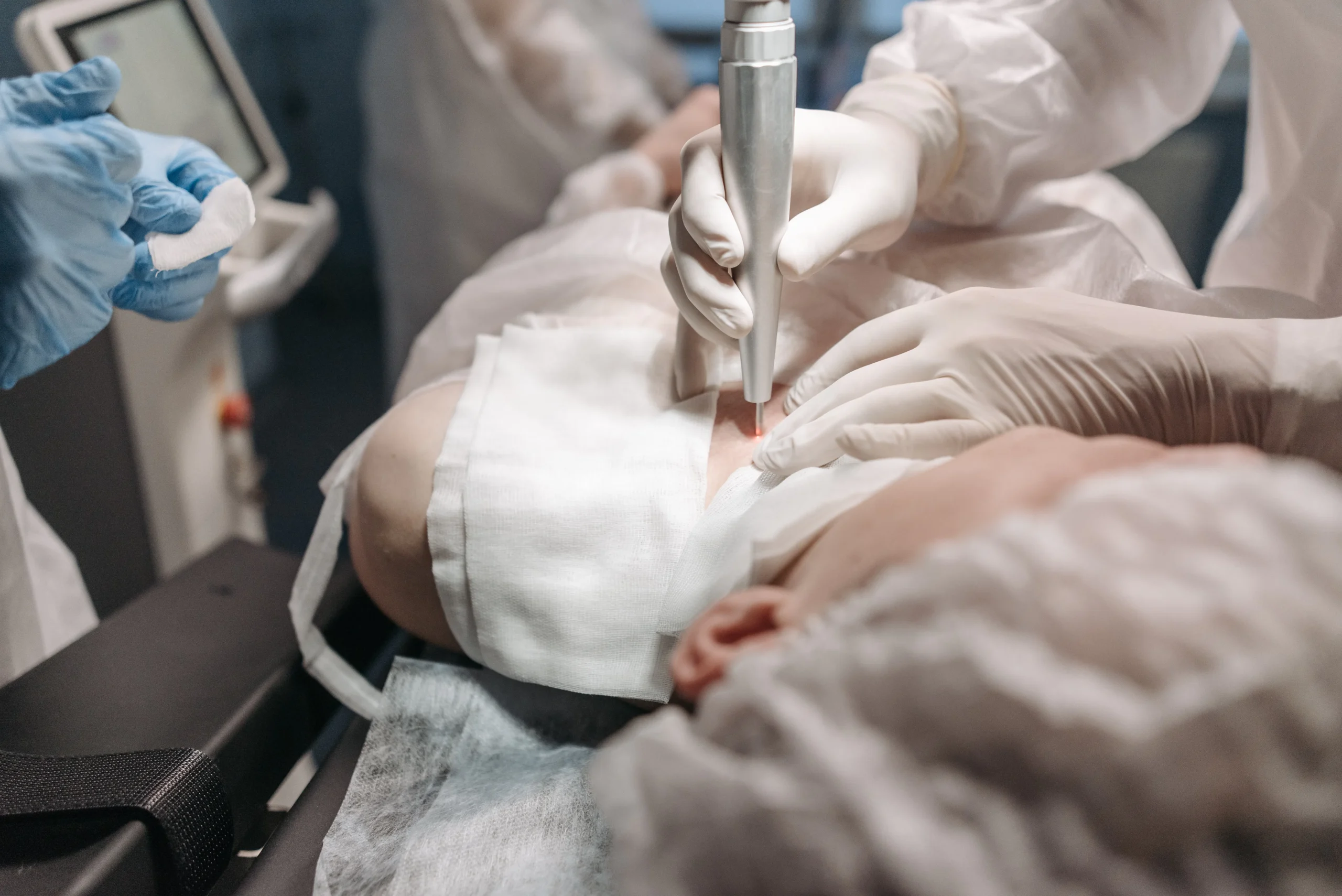
Photo by Pavel Danilyuk on Pexels
That immediate, almost magical glow after a carbon peel? I see it all the time on social media, especially here in Amsterdam. You walk out feeling like a million euros, your skin looking instantly brighter. But what’s actually happening beneath that surface sheen, and are you really getting the long-term benefits you expect? Honestly, the reality of carbon peeling in our city is a bit more nuanced than the ‘Hollywood Peel’ hype suggests, and it’s easy to fall for common carbon peeling misconceptions.
We’ve seen a huge surge in places offering this treatment, from dedicated skin clinics to nail salons trying to broaden their service menu. It’s led to a lot of confusion, and frankly, a lot of disappointment. Many people don’t realize that the effectiveness of a carbon peel hinges entirely on the quality of the laser and, importantly, the skill of the person operating it. You might get a temporary exfoliation, sure, but true skin revitalization is a different story.
This widespread interest has unfortunately blurred the lines between genuine, medical-grade treatments and those that barely scratch the surface (sometimes literally, sometimes not enough). I’ve watched clients come in to Amsterdam Beauty Clinic frustrated, wondering why their “instant glow” from another place faded so fast, or worse, why their skin reacted poorly. It really makes you question if the carbon peeling hype in Amsterdam delivers on its promises.
A big part of the issue lies in understanding the actual mechanism: a good carbon peel uses a precise laser to target a carbon paste. If that laser isn’t calibrated correctly, or if the practitioner doesn’t understand different Fitzpatrick skin types, you’re either getting an under-treatment that does nothing, or an over-treatment that could cause thermal damage. That’s why we emphasize uncovering the realities of carbon peeling treatments in Amsterdam and setting clear expectations. You deserve to know the facts about your skin treatment.
The science behind the shine: how carbon peels should work
That instant glow we discussed earlier isn’t the full story; a truly effective carbon peel relies on precise science, not just a quick flash. What most people don’t realize is that the treatment harnesses selective photothermolysis, a principle where the laser energy targets the applied carbon paste directly, rather than your skin. The carbon particles absorb the 1064nm wavelength of the Nd:YAG laser, vaporizing them and taking a superficial layer of dead skin cells and impurities with them.
But here’s where the ‘science’ often goes sideways in the commoditized Amsterdam market. If the laser’s pulse duration isn’t calibrated correctly, or if the beam profile is uneven (Gaussian instead of a flat-top), that heat can diffuse into the surrounding skin tissue. This diffusion is what leads to problems like post-inflammatory hyperpigmentation (PIH), especially for clients with Fitzpatrick skin types III-VI, who are more prone to it.
I’ve seen too many instances where clinics, trying to cut costs, use weaker, non-medical grade devices. These often provide only a temporary ‘glow’ from surface exfoliation, which is what we call ‘under-treatment.’ Conversely, aggressive settings with poorly calibrated lasers can cause ‘over-treatment’ and thermal damage, contributing to the 15-20% dissatisfaction rate from laser facials. The reality is, a genuine carbon peel should also stimulate collagen production through controlled thermal effect, not just exfoliate.
The Netherlands faces a significant ‘Regulation Gap’ in this area. While medical professionals need BIG-registration, many aesthetic carbon peels are performed by technicians using lower-tier Nd:YAG lasers that might not be suitable for all skin tones. The NVH (Dutch Association of Skin Therapists) frequently points out that budget lasers often lack the precision cooling necessary to prevent adverse reactions. That’s why understanding what makes a quality beauty salon in Amsterdam is paramount.
At Amsterdam Beauty Clinic, we prioritize devices with a consistent flat-top beam profile. This ensures even energy delivery across the treatment area, minimizing dangerous ‘hot spots’ and maximizing safety and efficacy. We’re not just chasing an immediate effect; we’re aiming for genuine skin rejuvenation through controlled, predictable science.
Why your ‘perfect’ carbon peel might be setting you back
Photo by Anastasia Golts on Pexels
Approximately 15-20% of dissatisfaction cases I see with laser facials in Amsterdam stem directly from either ‘under-treatment’ or ‘over-treatment.’ This isn’t just about client perception; it’s a real issue rooted in the equipment and expertise, often leaving people feeling frustrated despite seeking clearer skin realities. We’ve talked about how a carbon peel should work, but the reality is many services here fall short of that ideal. What people think is a ‘perfect’ carbon peel might actually be setting them back.
The hidden costs of ‘too good to be true’ peels
What often goes wrong is a simple lack of power. Some places use weaker, non-medical grade devices that only offer a temporary glow, confusing clients into thinking they’re getting true skin treatments when really it’s just superficial exfoliation. On the flip side, over-treatment is equally damaging. If the laser’s pulse duration is incorrect, that heat can diffuse into surrounding tissue, causing thermal damage.
This is how post-inflammatory hyperpigmentation (PIH) can develop, especially on darker Fitzpatrick skin types if not handled by a truly qualified practitioner. The NVH (Dutch Association of Skin Therapists) often points out that many budget lasers lack the precision cooling required to prevent this. That’s a critical detail for effective peeling treatment doubts.
When carbon peels backfire: common mistakes
I’ve seen clients come in after getting carbon peels elsewhere, hoping to ‘cure’ active cystic acne. While the laser does kill P. acnes bacteria, an aggressive approach can easily rupture active pustules, leading to much worse scarring than before. And that popular ‘Lunchbreak Myth’ of zero downtime? For clients with sensitive skin, I often observe 48 hours of erythema (redness) and mild swelling, not a quick return to the office.
The local climate here in Amsterdam doesn’t help either; cycling through wind and rain right after a treatment without proper barrier repair cream can compromise the skin mantle, causing localized breakouts. Honestly, it’s a critical oversight many places miss. Another significant pitfall involves the carbon paste itself. Low-grade carbon can contain impurities or fragrances that, when vaporized by the laser, cause allergic contact dermatitis. This is why we’re so particular about the quality of every product we use at Amsterdam Beauty Clinic.
Ultimately, the immediate ‘glow’ from a carbon peel is primarily the removal of dead skin cells. But many clients mistake this for genuine, long-term collagen remodeling, leading to disappointment when the effect fades quickly. For anyone struggling to find a truly reliable beauty salon in Amsterdam, understanding these distinctions is key to getting a carbon facial debunked.
Beyond the immediate glow: managing expectations
One of the most damaging myths I encounter is that carbon peeling is a universal solution for pigmentation. For those with Melasma, which is quite common in our diverse city, the heat from a carbon peel can actually trigger a rebound effect, making those dark patches even darker. It’s a complex condition that requires a very different approach, often involving a combination of therapies like specific pigmentation treatment protocols.
Not every treatment is right for every skin concern, and sometimes, the best solution is to avoid a popular trend altogether if it doesn’t suit your unique skin needs. You need to consider your unique skin type and concerns for true clear skin realities.
The enduring appeal of false promises: why these myths stick around
Even after exposing the factual inaccuracies, it’s fair to wonder: why do these persistent carbon peel myths continue to thrive in Amsterdam? The reality is, they often serve a purpose for less scrupulous operators, tapping into our desire for quick, easy solutions.
The ‘Regulation Gap’ and its impact
One of the biggest issues we face here in the Netherlands is what I call the Regulation Gap. Medical professionals, like those at a proper clinic, must be BIG-registered, meaning they adhere to stringent standards. However, many aesthetic carbon peels are performed by technicians using lower-tier Nd:YAG lasers. These devices might not be calibrated correctly for diverse skin tones, and the practitioners often lack the in-depth understanding of skin biology needed to prevent complications.
This gap means a significant portion of the market operates with less oversight, allowing outdated practices to continue. Think about it: if there’s no immediate, visible harm, why would a budget salon invest in expensive, medical-grade equipment or extensive staff training? They simply won’t. And that’s where the danger lies for clients seeking a quick fix without understanding the underlying technology or potential risks. It’s important to understand that responsible beauty salon Amsterdam operators recognize this distinction.
Marketing hype and misinformation
Then there’s the relentless marketing hype. Social media is flooded with images of instant glow, fostering the ‘Lunchbreak Myth’ of zero downtime. We’ve seen clients come in, expecting to walk out completely refreshed, only to be surprised by 48 hours of redness. This sort of misinformation isn’t just innocent; it sets unrealistic expectations and can lead to frustration or even improper aftercare. Low-quality carbon pastes, for example, are sometimes used because they’re cheaper, but they can contain impurities that cause allergic reactions when vaporized. These shortcuts become deeply embedded in the local beauty narrative, making it hard for consumers to discern genuine expert advice from mere sales pitches. It’s why places like Amsterdam Beauty Clinic prioritize transparent, factual information about all our advanced skin treatments.
Spotting genuine care: how to avoid common carbon peel pitfalls
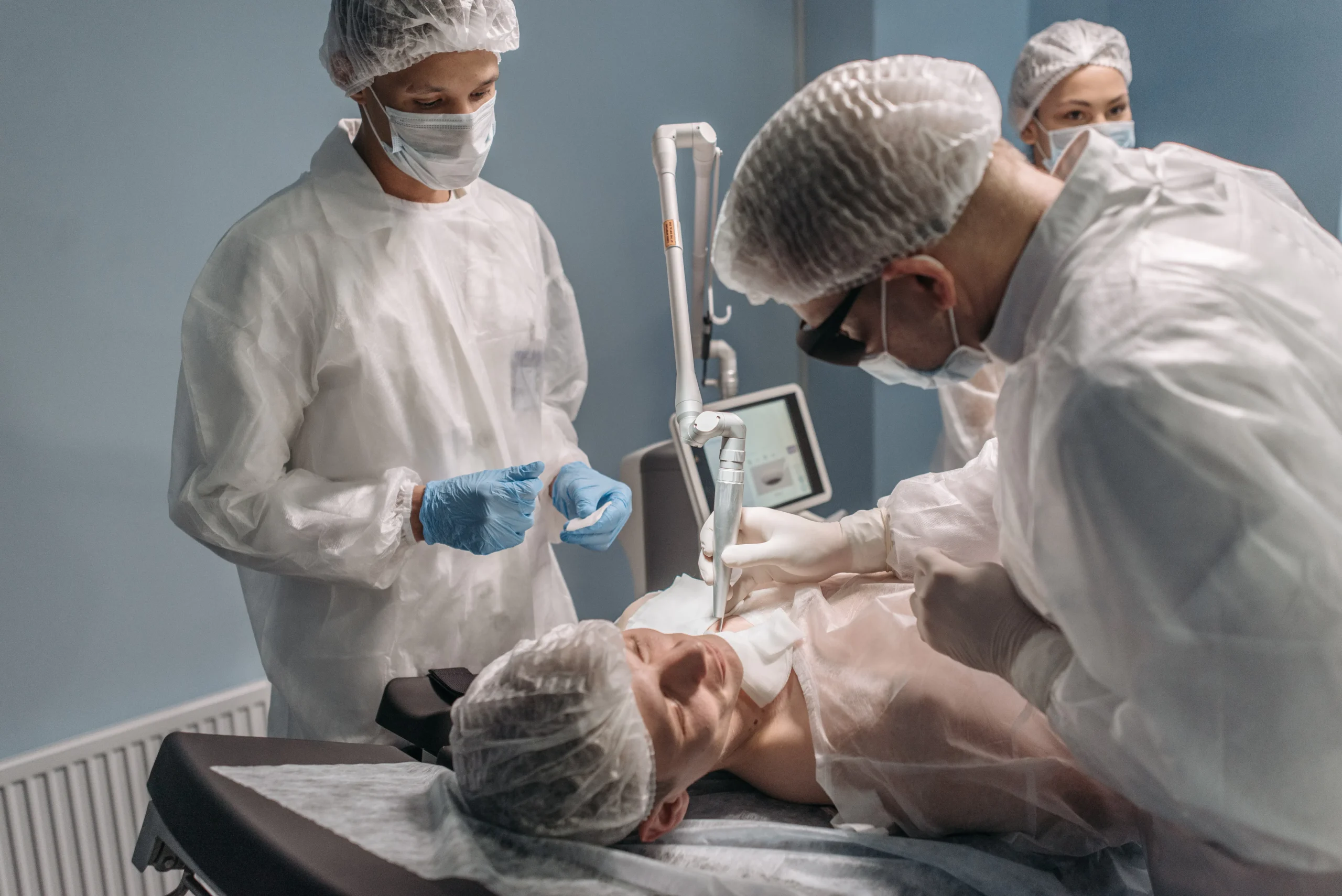
Photo by Pavel Danilyuk on Pexels
You’ve cycled past countless salons in Amsterdam promising that instant, social media-ready glow. Maybe you’ve even been tempted by a dramatically low price. But after understanding the sheer volume of misinformation and the regulatory gaps in our local market, the real challenge isn’t just knowing what goes wrong,it’s knowing how to spot genuine care when you see it. So, how do you navigate this saturated market to ensure a safe and effective carbon peel?
Verifying Practitioner Credentials and Equipment
The first step I always advise is to look beyond the flashy ads. Ask about the practitioner’s qualifications. In the Netherlands, if you’re getting a medical-grade treatment, you’d want someone with BIG-registration, indicating they’re a registered healthcare professional. This isn’t always strictly required for aesthetic laser treatments, but it’s a strong indicator of a deeper understanding of skin biology and potential complications. You’re trusting your skin to them, so their training matters immensely.
Then, inquire about the equipment itself. A truly effective carbon peel relies on a medical-grade 1064nm Q-switched or picosecond ND:YAG laser. Don’t be afraid to ask about the device’s brand and model. A reputable clinic will use a laser with a flat-top beam profile, which delivers energy evenly across the skin. Many budget lasers, often imported, have a Gaussian beam, creating dangerous ‘hot spots’ that can cause thermal damage or post-inflammatory hyperpigmentation, especially for diverse Fitzpatrick skin types.
Asking the Right Questions for Your Skin
When you sit down for a consultation, it’s your chance to be direct. What’s their protocol for your specific skin type? If you have active cystic acne, for example, an aggressive carbon peel could rupture pustules and lead to scarring. If you have melasma, the heat can actually worsen pigmentation, something many less experienced technicians overlook. I’ve seen this happen too often.
Also, push back on the ‘zero downtime’ promise. While a carbon peel is relatively gentle, sensitive skin can absolutely experience 48 hours of erythema and mild swelling. Any reputable clinic, like Amsterdam Beauty Clinic, will manage your expectations honestly and provide clear aftercare instructions, emphasizing barrier repair cream, especially important with Amsterdam’s wind and rain. You can learn more about our comprehensive approach to skin treatments in Amsterdam.
The Quality of Carbon and What Price Tells You
Believe it or not, the carbon paste itself plays a role. Low-grade pastes can contain impurities or fragrances that react poorly with the laser, potentially causing allergic dermatitis. A good clinic will use a high-quality, medical-grade carbon solution. And about pricing: while a 50-euro treatment might seem like a steal, it’s often a red flag. These typically use passive Q-switch lasers that only offer superficial exfoliation,a temporary glow,without any real collagen stimulation. A 150-euro treatment, on the other hand, usually indicates an active Q-switch laser capable of genuine, long-term skin rejuvenation. Honestly, when it comes to your skin, sometimes the cheaper option isn’t just less effective; it’s a risk.
Beyond the buzz: making informed choices for your skin
Even after learning how to spot genuine care, navigating the vast world of aesthetic treatments in Amsterdam can still feel like trying to find a quiet corner in a busy market. The sheer volume of ‘Hollywood Peel’ offers, ranging from genuine medical clinics to places where the laser might not be the primary focus, means the buzz around carbon peeling often drowns out the real, scientific information.
Discerning the Realities of Skin Care
What I’ve seen over the years is that real results don’t come from fleeting trends or exaggerated promises. They come from understanding the science behind your skin and the treatments you’re considering. It’s about moving beyond those persistent carbon peel myths and demanding clear skin realities. You deserve to know exactly what a laser facial truth looks like, not just what it promises on social media.
It can be tricky, I know. Many places will tell you what you want to hear, especially when it comes to quick fixes for complex issues like pigmentation or active acne. But the reality is, a carbon peel isn’t a magic wand; it’s a specific tool with specific applications. And if it’s used incorrectly, or on the wrong skin type, it can absolutely set you back.
Your Role in Informed Choices
This is why I always encourage clients to be their own best advocate. Ask those hard questions. Don’t just accept vague answers about ‘detoxification’ or ‘instant glow.’ In fact, if something sounds too good to be true, it often is. You’re not being difficult by inquiring about the type of laser, the practitioner’s qualifications, or what to expect in terms of downtime for your specific skin type.
At clinics like Amsterdam Beauty Clinic, we believe in transparency. We’re here to explain why a particular approach works for your skin, or why another might not be the best option. Our focus remains on advanced, effective skin treatments that genuinely improve your skin health, not just offer a temporary visual boost. You can learn more about our commitment to dispelling half-truths for clearer skin in our detailed guide to carbon peeling.
Ultimately, your journey to truly healthy, radiant skin is a personal one, and it’s a marathon, not a sprint. Keep seeking out accurate information, trust your instincts, and always prioritize qualified professionals who put your long-term skin health first. That’s the real secret to clear skin that lasts.
Tired of disappointing beauty treatments? Ensure your skin gets the expert care it deserves. Explore advanced, safe options at Amsterdam Beauty Clinic and experience results you can trust.
People Also Ask About Carbon Peels in Amsterdam
What are the main risks of getting a carbon peel in Amsterdam?
The biggest risks involve improper technique leading to thermal damage, like ‘hot spots’ from poorly calibrated lasers. You might also experience rebound pigmentation, especially if you have melasma, or even scarring if the treatment is too aggressive for active acne. It’s crucial that the practitioner understands your specific skin type.
Why do carbon peels sometimes not work as expected?
Often, the ‘instant glow’ is just superficial exfoliation, not deep collagen stimulation. Budget treatments might use low-grade lasers or carbon pastes that don’t deliver real results, or worse, can cause irritation. The hype around ‘Hollywood peels’ doesn’t always align with the actual science or the practitioner’s expertise.
How can I tell if a carbon peel practitioner in Amsterdam is qualified?
Look for practitioners with recognized qualifications, like skin therapists registered in the BIG register in the Netherlands. Ask about the specific laser they use (1064nm wavelength is standard), its beam profile, and how they adjust settings for your Fitzpatrick skin type. A reputable clinic won’t just offer a one-size-fits-all approach.
Is carbon peeling suitable for melasma or dark spots?
Honestly, it’s often not the best choice for melasma. The heat from the laser can actually trigger rebound pigmentation, making dark spots worse. While it can help with general pore-clearing, treatments like chemical peels or microneedling might be more effective for deeper pigmentation issues.
What’s the difference between a cheap carbon peel and a more expensive one?
Price can be a clue. Cheaper treatments might use less precise, imported lasers that lack proper cooling, increasing the risk of damage. More expensive treatments typically use medical-grade lasers with better beam profiles and cooling systems, operated by trained professionals who tailor the procedure to your skin.
Can a carbon peel really help with active acne?
It can help kill acne-causing bacteria, but it’s a risky treatment for active, cystic acne. If the laser is applied too aggressively, it can rupture pustules, potentially leading to scarring. It’s usually better suited for post-acne marks or general pore refinement rather than active breakouts.