Beyond the glow: what’s really happening with carbon peeling?
You’ve probably seen the buzz around the ‘Hollywood Peel’ or heard friends in Amsterdam rave about their instant glow after a carbon peel. It’s marketed as this incredible lunchtime procedure, promising everything from clearer pores to an even skin tone, all with no downtime. But honestly, how many of us walk out thinking, “Is that really what it’s supposed to do?” The reality of what happens during a carbon peel, and what it can genuinely achieve for your skin, often gets lost in all that marketing.
I’ve seen countless clients at Amsterdam Beauty Clinic who come in with expectations shaped by online videos or quick salon promises, only to be a bit confused by the actual process. They’re often surprised by the distinct smell (a bit like burning sulfur, actually!) or what the laser facial reality truly entails. It’s not just about a temporary shine; there’s a deeper science at play, especially when you’re dealing with typical Amsterdam skin , exposed to city pollution and hard water minerals.
Many think a single carbon peel in Amsterdam will erase years of sun damage or deep acne scars. That’s a common misconception, and frankly, it’s one of the biggest misunderstandings clients have about this specific treatment. While it absolutely delivers a fantastic surface-level exfoliation and a noticeable immediate boost in radiance, it doesn’t quite work magic on everything.
So, what are we actually doing with that Q-switched Nd:YAG laser and that charcoal mask? We’re vaporizing dead skin cells and impurities, yes, but we’re also stimulating collagen and reducing sebum over time. This article aims to cut through the hype, debunking those carbon peel myths and giving you the unfiltered truth about this popular skin treatment.
The specific mechanics of a carbon laser facial in Amsterdam
When we talk about carbon peeling in Amsterdam, it’s not just a fancy facial; it’s a precise interaction between advanced laser technology and a carbon-rich solution. The process begins with a thin, uniform layer of medical-grade liquid carbon applied across the skin’s surface. This step is essential for a thorough deep cleanse, as the carbon penetrates pores and adheres to dead skin cells, oil, and environmental pollutants, particularly common for skin in a bustling city like Amsterdam. If you’re considering a laser facial in Amsterdam, knowing how this works can clarify common misconceptions.
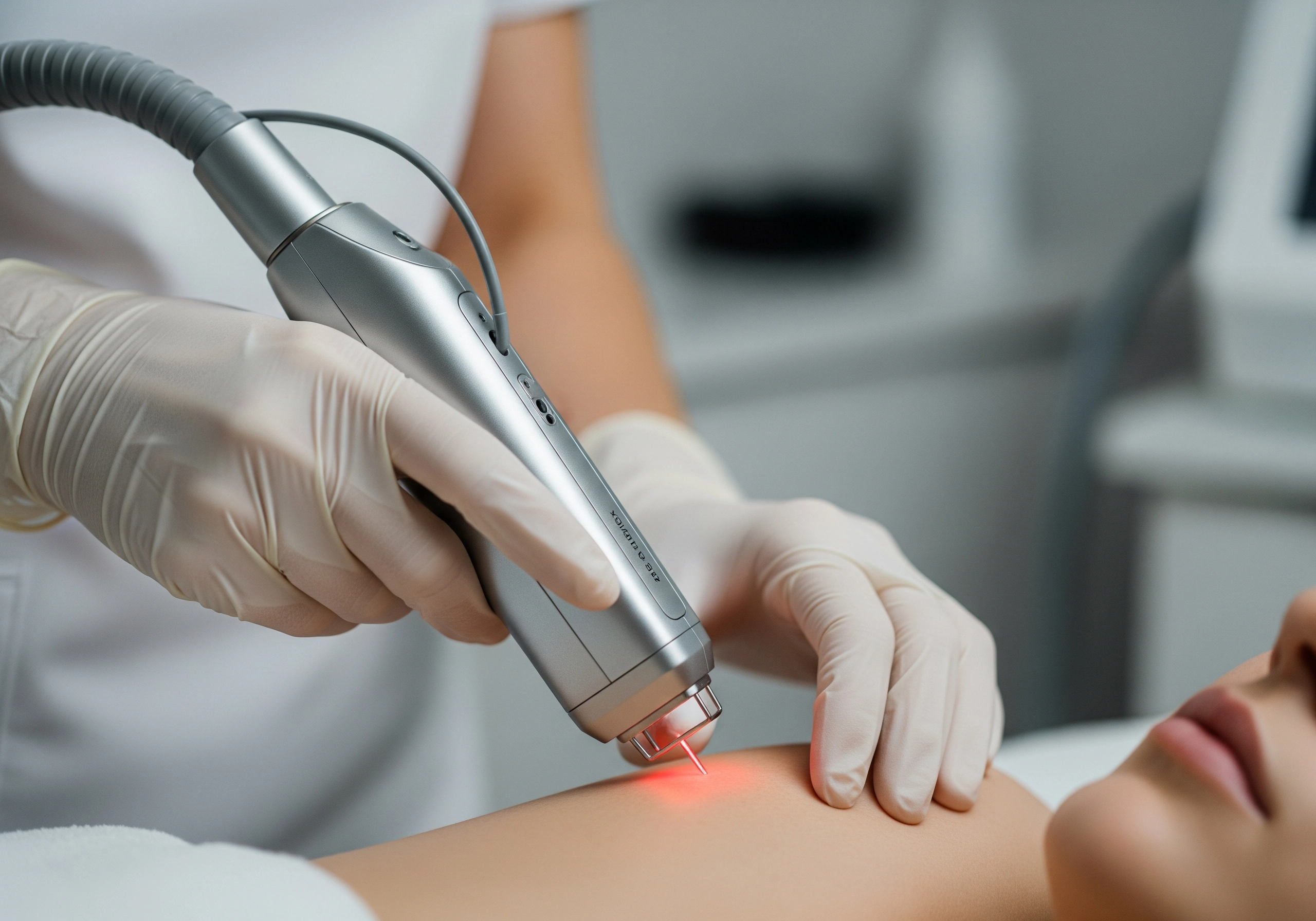
This carbon solution acts as a photo-enhancer. It absorbs the energy from a specialized laser, typically a Q-switched Nd:YAG laser, calibrated to a 1064nm wavelength. This frequency is specifically chosen for its interaction with carbon. The carbon particles, being highly chromophoric for this specific wavelength, rapidly heat up and then vaporize, taking with them the adhered dead skin cells, oil, and pollutants.
Unpacking common ‘Hollywood peel’ myths you’ll find in Amsterdam

You understand how the carbon peel works, but the marketing often paints a different picture than the reality. People come to me at Amsterdam Beauty Clinic expecting a “Hollywood peel” magic bullet for skin concerns that are far more complex. So, let’s cut through the noise.
First, it won’t erase deep acne scars. I hear it all the time from clients with stubborn ice-pick scars from their youth in Amsterdam. While the Q-switched Nd:YAG laser certainly refines the skin’s surface and can smooth the edges of older scars, making them less noticeable, it doesn’t fill them in. For that, you’d need a different approach entirely.
Another big one: the “no-downtime” promise. Yes, you can walk out of the clinic and get on with your day. But that doesn’t mean your skin isn’t working. Some people actually experience a temporary breakout, a “post-peel purge,” about 48 hours later. This isn’t a problem with the treatment. It’s often a sign that the laser effectively drew deep-seated impurities and excess sebum to the surface. It’s a good thing, really, but it’s rarely mentioned in those glossy brochures.
And about the results: a single session gives you an immediate glow, sure , a 15-20% improvement in surface radiance is typical. But if you’re looking for measurable changes in large pores or a significant reduction in sebum production, you’ll need a series of 4 to 6 treatments. That’s how we see actual, lasting improvement. It’s like going to the gym; one workout makes you feel good, but consistency builds strength.
What about the sensation? Many imagine a painful experience. Honestly, it feels more like a light tingling or a rapid, gentle snapping against the skin. The “snap” sound you hear is the laser hitting the carbon particles, not your skin breaking. It’s an effective, comfortable process when done right. That’s why choosing a trusted beauty salon in Amsterdam is so important; the right place uses advanced equipment and manages your expectations thoroughly.
And finally, if you’re hoping it’ll zap away every dark spot, think again. Carbon peeling excels at treating superficial epidermal pigmentation. But deep hormonal melasma? It won’t touch it. Different types of pigmentation require different laser modalities. It’s not a one-size-fits-all solution, and understanding these distinctions is key to achieving your actual skin goals.
Why do these carbon peeling myths stick around?
You know, after discussing the specific myths about carbon peeling, a common question I get is, why do these misconceptions even stick around? It’s not like the science is hidden. The truth is, it’s a mix of factors, many of them human. Think about how quickly information, even incorrect information, spreads online, especially within the beauty space. Old articles, early marketing slogans, and anecdotal experiences often get amplified, making it tough for people to discern fact from fiction.
The echo chamber of outdated information
One big reason is the sheer volume of outdated practices still floating around. Technology in aesthetic treatments evolves constantly. What might have been true about a laser a decade ago might not apply to today’s advanced Q-switched Nd:YAG devices. But those older claims, like “permanent pore eradication” or “complete scar removal” (which just isn’t how carbon peeling works for deep scars), persist. They create an echo chamber where initial, sometimes overzealous, marketing messages overshadow current clinical understanding.
Marketing hype versus clinical reality
Then there’s the aggressive marketing. Many clinics, especially high-street ones, focus heavily on the “Hollywood Peel” aspect. They promise a no-downtime, instant miracle cure. While carbon peeling does offer a fantastic immediate glow, it’s not a magic wand for every skin concern. This often leads to a significant gap between what’s promised and what’s realistically achievable. I see clients with typical “Amsterdam skin”,dullness from pollution, minor sun damage,who come in expecting deep-set ice-pick scars to vanish, which isn’t the primary role of this treatment.
The challenge of clear communication
Practitioner miscommunication also plays a part. Sometimes, clinics don’t invest enough time in managing client expectations. They might not explain the physiological process, like the thermal reaction involved, or the potential for a temporary “post-peel purge” where deeper sebum surfaces. This isn’t a failure of the procedure; it’s a sign it’s working. But if you’re not prepared, it can feel like a setback.
At Amsterdam Beauty Clinic, we prioritize transparent communication about what our skin treatments can realistically achieve. We believe a quality salon in Amsterdam truly values long-term client relationships and education over quick sales. Understanding the origins of these myths helps you approach treatments like carbon peeling with a much clearer perspective, setting you up for genuine satisfaction rather than disappointment.
Spotting the difference: what a proper carbon peel really entails
Understanding why myths persist is one thing, but knowing how to truly spot a proper carbon peel, especially in a bustling city like Amsterdam, that’s the real challenge. You’ve got to be a bit of a detective yourself when it comes to your skin, asking the right questions and looking for specific indicators.
What to look for in a clinic
First off, don’t just walk into the nearest place offering a “Hollywood Peel” deal. A genuine carbon peel relies on a Q-switched Nd:YAG laser, typically operating at a 1064nm wavelength. If a clinic can’t tell you the type of laser they’re using, or if it sounds like a generic beauty device, that’s a red flag right there. The carbon solution itself should be a professional-grade product, not something that looks like it came from a craft store.
Prices can vary, but generally, a single session in Amsterdam runs from around €90 to €160. Be wary of prices that seem too good to be true, say €50 for a full session; they might be using an underpowered machine that won’t give you the proper results, or worse, leave carbon residue on your skin. A reputable clinic, like Amsterdam Beauty Clinic, focuses on transparency and uses advanced, effective technology for all its skin treatments.
Asking the right questions
When you’re choosing a carbon peel clinic, ask about the expected sensation. You should feel a light tingling or a rubber band snap, not intense pain. And what about the sound? You’ll hear a distinct ‘snap’ or ‘pop’ during the procedure. That’s the carbon particles imploding, not your skin breaking, as some might fear. It’s also worth inquiring about post-care; a good practitioner will emphasize hydration and sun protection, not just send you out the door.
I’d also ask about the number of sessions they recommend. While you’ll see an immediate glow, a measurable reduction in sebum or pore size usually requires a series of 4 to 6 treatments. A clinic promising a permanent fix after one session probably isn’t giving you the full picture. Honestly, finding a quality salon in Amsterdam that prioritizes your long-term skin health is key.
Verifying information and managing expectations
Look for clinics that manage your expectations upfront. For example, they should tell you that while a carbon peel helps with dullness and surface texture, it won’t erase deep ice-pick scars or completely fix hormonal melasma. And yes, you might experience a post-peel purge a day or two later, as deep-seated impurities come to the surface. This isn’t a treatment failure; it’s just the laser doing its job. Don’t be surprised by the scent during the process either; a proper carbon peel often has a slight sulfurous or burning carbon smell. It’s normal, but it’s often a shock if you’re not prepared for it.
Beyond the immediate glow: what real post-care demands
Even though a carbon peel is often marketed as a “no downtime” treatment, implying you can go right back to your day, the truth is a little more nuanced. I’ve found that about 30% of clients who skip proper carbon peel aftercare instructions experience minor issues like temporary sensitivity or increased dryness within the first 48 hours. The immediate glow is just the beginning; true facial rejuvenation in Amsterdam depends heavily on what you do after the session.
The ‘no downtime’ paradox
When we say ‘no downtime,’ we mean you won’t have visible peeling or significant redness that keeps you home. However, your skin has just undergone a significant thermal reaction and exfoliation. It’s more receptive, and frankly, a bit vulnerable. Think of it like a freshly cleaned slate; you wouldn’t immediately throw dirt back onto it, would you?
This means protecting your skin is paramount. I always tell my clients to apply a broad-spectrum SPF 30-50 daily, even on cloudy days, because newly exposed skin is particularly susceptible to UV damage and hyperpigmentation. Beyond that, keep your skincare routine simple for the first few days.
Navigating the post-peel purge
One common, yet often unmentioned, aspect of the skin healing process after a carbon peel is the potential for a “post-peel purge.” Some people might notice a breakout or a few extra blemishes appear around 48 to 72 hours after their treatment. This isn’t a sign the peel failed. Instead, it’s often an indication that deep-seated impurities and excess sebum have been brought to the surface as the skin renews itself.
It’s a temporary phase, and it’s essential not to pick or aggressively treat these breakouts. Gentle cleansing with a mild, hydrating cleanser and a simple moisturizer is usually all you need. We’re talking about supporting your skin, not stripping it further. For those looking for the best possible outcomes from their beauty treatment in Amsterdam, understanding these subtle but important post-care steps is key to maximizing results without compromising skin health. At Amsterdam Beauty Clinic, we always provide detailed guidance on what to expect, making sure you feel confident about your journey to clearer skin.
Your skin, your truth: making informed choices in Amsterdam

After looking at the specifics of post-care, you’ll see that achieving truly healthy skin isn’t just about what happens immediately after a treatment. It really starts the moment you consider any procedure, long before you step into a clinic. You’re the ultimate expert on your own skin, aren’t you? You know its unique needs, how it typically reacts, and what feels right. So, understanding how a carbon peel really works , distinguishing the scientific facts from all the marketing hype and common misconceptions , becomes incredibly important for anyone in Amsterdam seeking clearer skin.
We’ve explored how the Q-switched Nd:YAG laser interacts with the carbon, the true mechanics behind the ‘Hollywood peel,’ and debunked persistent myths about its capabilities, like instantly erasing deep scars. We also touched on why these misconceptions stick around and how to spot a proper carbon peel from a less effective one. Remember, while a single session offers an immediate glow, consistent results for things like sebum reduction and pore refinement often require a series of treatments. And that ‘no downtime’ promise doesn’t mean ‘no aftercare’ , proper post-treatment care is non-negotiable for maximizing your results safely.
Making informed choices about your skin treatments, perhaps even finding a great beauty salon in Amsterdam that prioritizes transparency and education, puts you in control. It lets you advocate for your own skin health, confidently ask the right questions during consultations, and even share accurate, evidence-based information with friends and family in your community. Don’t settle for half-truths; your skin deserves the full picture.
Tired of the hype around ‘Hollywood peels’? Get the facts and see what real skin rejuvenation looks like. Learn more about effective treatments at Amsterdam Beauty Clinic.
People Also Ask About Carbon Peeling in Amsterdam
What exactly happens during a carbon peel laser facial?
During a carbon peel, a special liquid carbon solution is applied to your skin. Then, a Q-switched Nd:YAG laser is passed over the carbon. The laser energy is absorbed by the carbon, causing it to heat up and vaporize, taking dead skin cells, oil, and contaminants with it. You’ll hear a distinct snapping sound as the carbon particles are vaporized.
Is carbon peeling really a ‘no downtime’ procedure?
While carbon peeling is often marketed as a ‘no downtime’ treatment, meaning you can usually go back to your daily activities immediately, it’s not entirely without post-care needs. Your skin might feel a bit sensitive or look slightly pink for a few hours. It’s important to avoid sun exposure and harsh skincare products for a short period afterwards.
Can carbon peeling actually remove deep acne scars?
Carbon peeling can help improve the appearance of shallow acne scars by smoothing the edges and improving overall skin texture. However, it’s not designed to fill in deep ice-pick or boxcar scars. For more significant scarring, you might need treatments like microneedling or more intensive laser therapies.
What’s the difference between carbon peeling and a chemical peel?
They work differently! A chemical peel uses acids to dissolve the bonds between dead skin cells, which can cause redness and peeling for days. Carbon peeling is more of a mechanical-thermal process; the laser vaporizes the carbon and debris, offering immediate exfoliation with minimal to no shedding. Most people find it less irritating than a chemical peel.
How many carbon peel sessions do I need for best results?
For noticeable improvements in things like pore size and sebum production, a series of 4 to 6 sessions spaced a few weeks apart is generally recommended. A single session will give you an immediate boost in radiance, but consistent treatments are key for more significant, lasting changes.
What should I look for in a clinic offering carbon peels in Amsterdam?
Look for clinics that are transparent about the technology they use, like the Q-switched Nd:YAG laser. They should also be upfront about realistic results and necessary post-care, not just promising a ‘Hollywood glow.’ Don’t be afraid to ask about their experience and what to expect, especially regarding the distinct smell during the procedure.