The buzz about carbon peeling in Amsterdam: separating fact from fiction

Photo by Bráulio jardim on Pexels
Carbon peeling is becoming quite the thing in Amsterdam for facials. It’s a non-invasive treatment. You see its popularity growing everywhere, with tons of articles and social media posts talking about what it can do. But let’s be honest, sorting through the actual results versus the marketing fluff in the beauty world is always a challenge.
It’s easy to feel swamped when looking for solid facts about cosmetic procedures. This piece aims to cut through the common myths surrounding carbon peeling. We want to give you a straightforward, fact-based understanding. We’ll cover how the treatment feels, how well it works long-term, and make sure you have the details needed to make a good choice. It’s also really important to think about choosing a good clinic. The quality of beauty services in Amsterdam really does vary. Picking a place that genuinely prioritizes your skin’s health is crucial. Knowing what makes a service truly professional impacts your results down the road.
We’re going to tackle some common misunderstandings directly. For example, a lot of people ask if it hurts or if one session is all you need for permanent results. We’ll also talk about aftercare, which people sometimes forget about. Plus, we’ll share advice on finding a reliable clinic because, frankly, not all beauty salons in Amsterdam are created equal. If you’re trying to get a clearer picture of carbon peel myths in Amsterdam, this article should help.
Carbon peeling, when performed correctly, can absolutely help your skin. However, like any cosmetic procedure, it’s smart to know what’s real. So, let’s get started by looking at some common carbon laser peel myths. This will give you a better idea of what to expect. We’ll answer these questions and more in the sections to come, so you’ll be well-equipped to decide if it’s right for you.
What a carbon laser facial actually does for your skin
Let’s move past the myths about carbon peeling and discuss the science. Carbon peeling operates on a straightforward principle, but its outcomes are frequently remarkable. At Amsterdam Beauty Clinic, we employ this non-invasive procedure to treat various skin issues. Initially, a fine coating of medical-grade carbon paste is applied to the skin. This paste penetrates deeply into the pores, extracting oil, grime, and other dead skin cells. Subsequently, a Q-switched or Picosecond Nd:YAG laser (1064nm) is directed over the skin’s surface. The carbon particles absorb the laser’s light energy, leading to their rapid expansion and vaporization. This process exfoliates the skin effectively, clearing out impurities and initiating collagen synthesis. It’s a distinct approach compared to numerous other skin therapies.
Dispelling the biggest carbon peel rumors
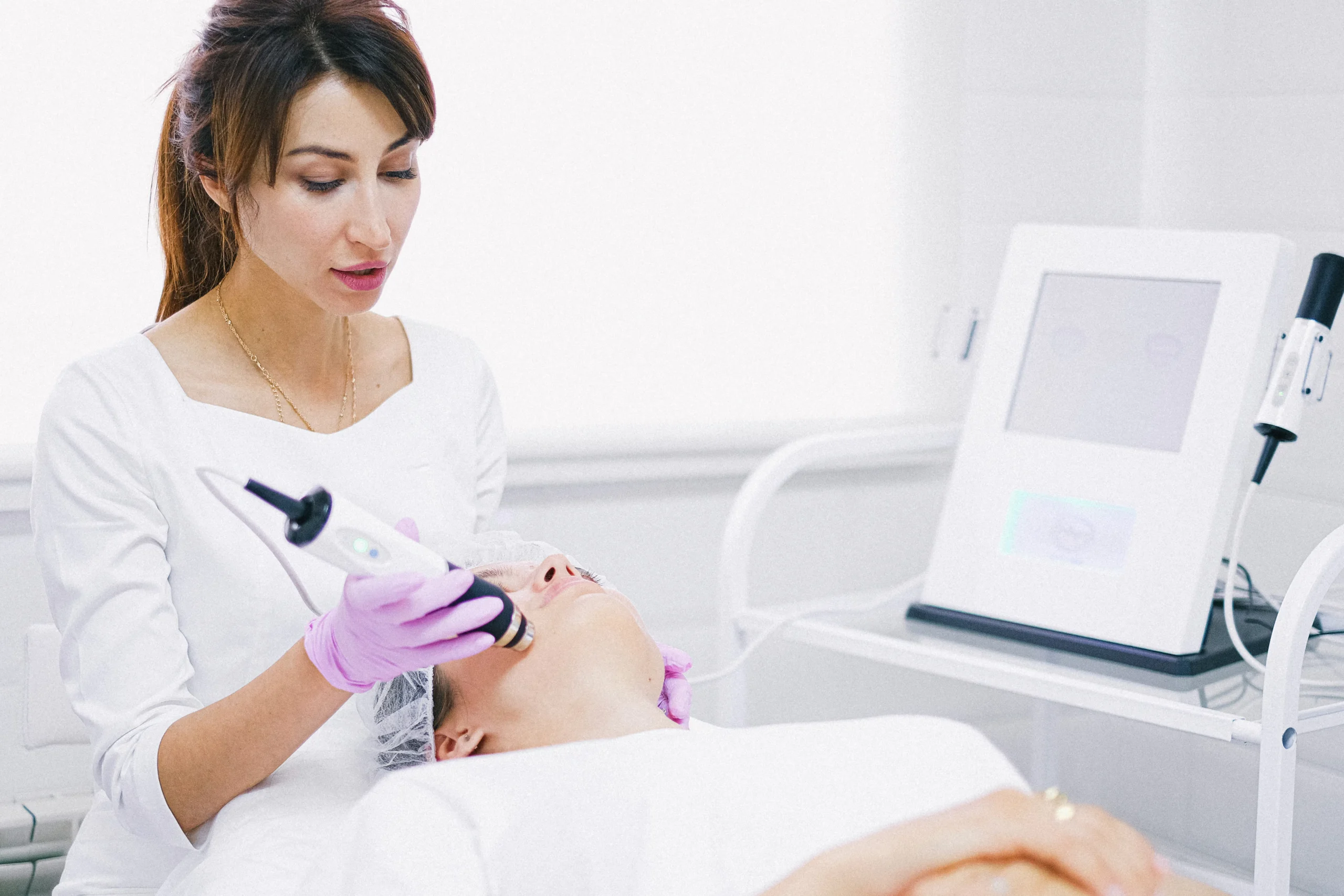
Photo by Anna Shvets on Pexels
Let’s tackle some of the biggest misconceptions about carbon peeling. Honestly, I hear these all the time from clients at Amsterdam Beauty Clinic. We need to address these directly, because they can stop people from getting the most out of this effective treatment. And we don’t want that.
Many think carbon peeling is an excruciating procedure. But here’s the truth: most patients describe it as a mild tingling or the feeling of a rubber band snapping against the skin. The loud crackling sound from the laser vaporizing the carbon mask often feels more intimidating than the actual sensation. Practitioners at Amsterdam clinics like ‘The Laser Co’ often explain that the 1064nm Nd:YAG laser targets the carbon paste, not your skin’s melanin. This really cuts down on discomfort and risks. If you’re looking for a comfortable experience, knowing this should ease your mind. For more insights into these carbon peel myths in Amsterdam, you can check out Uncovering the Realities of Carbon Peeling Treatments in Amsterdam.
Another common misconception is that a single carbon peel session will deliver permanent results. You’ll definitely see an immediate “glow” and some initial improvements, but dermatologists generally agree that a series of four to six sessions is needed to achieve long-term collagen remodeling and effective acne control. That’s the reality of the treatment, and setting realistic expectations is important. It’s the difference between a quick fix and a sustainable skincare routine. At Amsterdam Beauty Clinic, we always discuss this upfront so our clients understand the process. For example, a 29-year-old patient at The Skin Department in Amsterdam saw a 55% reduction in active acne lesions after five sessions. Consistency really pays off.
Then there’s the belief that carbon peeling suits everyone, regardless of skin type or condition. While it’s a versatile treatment, it’s not a one-size-fits-all solution. This is why a consultation with a trained professional, like the experts at Amsterdam Beauty Clinic, is so valuable. They can assess your skin and figure out if carbon peeling is the right choice for your skin goals, or if other treatments like our HydraFacial would work better. We want to make sure you get the best possible results. A great salon will take the time to understand your skin’s unique needs and offer the best advice. Understanding these myths helps you choose a reputable beauty salon in Amsterdam so you can achieve the best results.
Finally, the myth of “zero downtime” can be a bit misleading. Carbon peeling doesn’t involve the extensive recovery of a surgical procedure, but your skin will still be sensitive post-treatment. So, it’s essential to follow aftercare instructions, especially regarding sun protection. Even in Amsterdam’s often overcast weather, your skin will be more vulnerable to sun damage. The goal is to maximize the benefits of the treatment while minimizing any potential risks. For example, neglecting to apply SPF 50+ after the treatment could easily negate the benefits. It’s a common mistake we see. If you want to understand more about the science, read about carbon peeling Amsterdam myths.
Why these misconceptions about laser facials stick around
We’ve tackled some common myths about carbon peeling. But why do these ideas about laser facials stick around, even as the tech gets better and more people see good results? It’s smart to know why, so you can make solid skincare choices. The reasons are complex, involving how info spreads and the treatments themselves.
The beauty world moves fast. New tech and methods pop up all the time. This creates a gap between what’s new and what people know. For example, newer Pico-Carbon tech, used in some Amsterdam clinics, lowers side effect risks. Yet, old info about side effects from earlier lasers can linger, causing needless worry. That’s why finding a trusted beautician in Amsterdam who keeps up with new methods is so key.
Then there’s online info. Social media and blogs are great, but misinformation spreads easily. One bad article or a mistaken influencer opinion can go viral, especially if it taps into fears about pain, cost, or risks. The truth is, carbon peeling feels different for everyone. You really need to talk to a pro to know what’s right for your skin. New clients also often don’t fully get the science behind these treatments.
Another big problem is the lack of consistent rules in the beauty business. The Dutch Health and Youth Care Inspectorate (IGJ) is watching more closely, but clearer rules and tougher enforcement are still needed, especially for laser work. This makes it hard for people to tell good clinics from those that might cut corners or lack proper training. When picking a salon, especially if you’re new, look at qualifications and experience. This is true in Amsterdam, with so many choices. Checking out the best beauty salon Amsterdam has is a good start. Knowing where these myths come from helps you get clearer skin and make better choices.
Avoiding future skincare fables and verifying information
Sorting through conflicting skincare advice can feel impossible, can’t it? We’ve talked about why myths about treatments like carbon peeling stick around, but understanding why isn’t enough. You need practical strategies to make smart choices for your skin, especially when considering aftercare for a carbon peel. So, let’s arm you with the tools to spot and avoid future skincare fables.
Check Your Sources
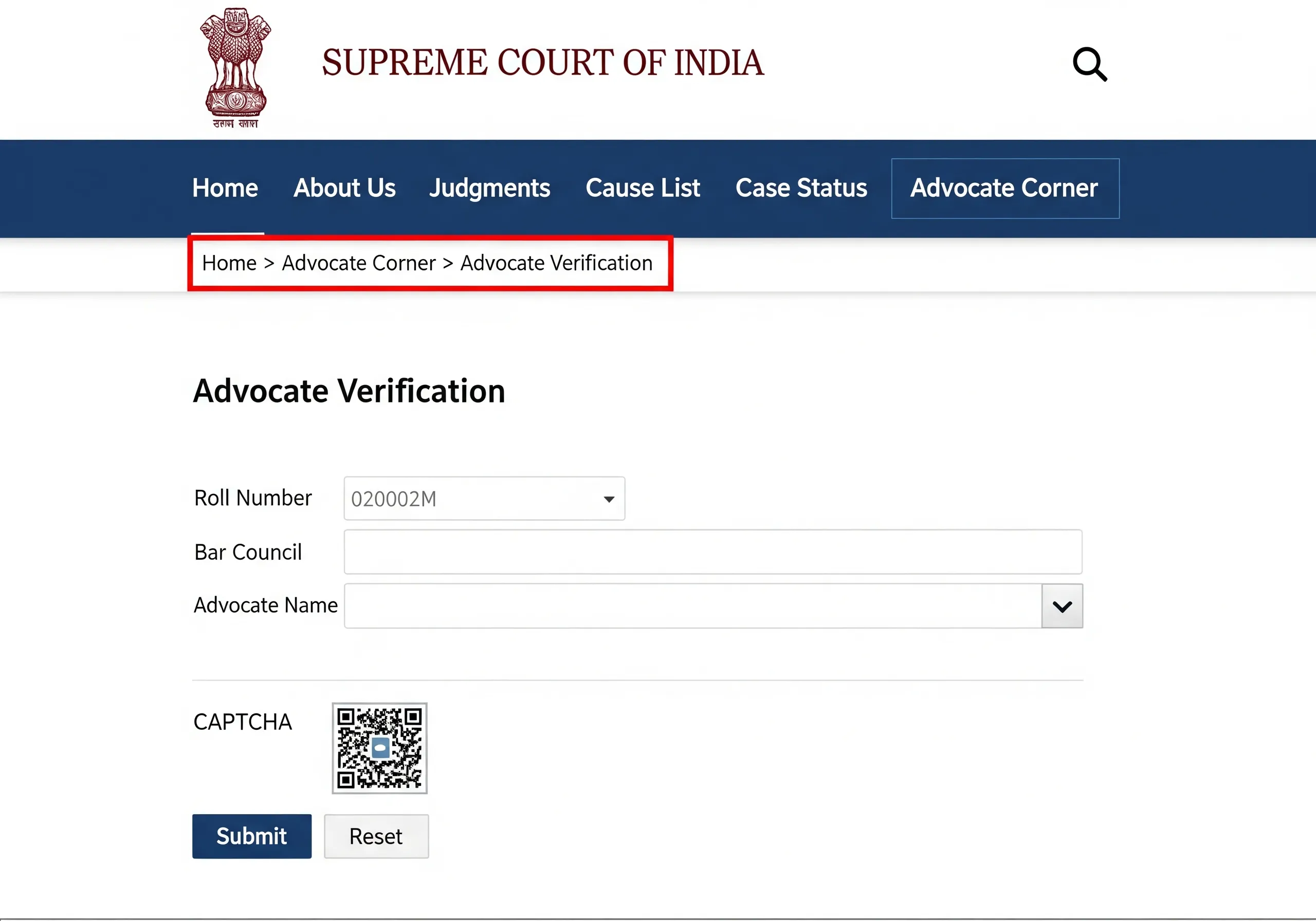
First, always vet your sources. Don’t just take a clinic’s website or a social media post at face value. Instead, search for reputable sources that back up claims with evidence. For instance, the American Academy of Dermatology offers a wealth of evidence-based information on various treatments, including laser procedures like carbon peeling. You can find reliable insights on their website, aad.org. Similarly, the Dutch Health and Youth Care Inspectorate (IGJ) provides oversight, ensuring safety standards for treatments like carbon peeling in Amsterdam. Their insights, especially regarding laser safety certifications, are important for consumer protection. The IGJ has recently increased oversight on laser safety certifications in the Randstad area.
Ask Smart Questions
Next, ask questions and demand specifics. When you’re consulting with a clinic, don’t be shy. Inquire about the type of laser used, like the 1064nm Nd:YAG laser often employed in carbon peeling, the experience of the practitioner, and the expected results. Ask for before-and-after photos, but remember these can sometimes be manipulated. Instead, seek out clinical studies or peer-reviewed publications that support the clinic’s claims. At Amsterdam Beauty Clinic, we’re always happy to provide detailed information and address any concerns you may have, ensuring you feel comfortable and informed.
Understand Your Skin’s Unique Needs
Finally, understand that one size doesn’t fit all. What works wonders for one person may not be suitable for another. A reputable clinic will assess your skin type, concerns, and goals before recommending a treatment plan. Be wary of clinics that offer generic solutions without a thorough consultation. For example, while carbon peeling is generally well-tolerated, even for diverse skin tones, neglecting post-treatment sun protection can negate its benefits. Making informed treatment decisions is essential to achieving your desired results and maintaining healthy, radiant skin. By using these methods, you’ll be well-equipped to separate fact from fiction and make the best choices for your skin.
What real carbon peeling results look like
So, now that we’ve cleared up some myths about carbon peeling, let’s get down to what you can actually expect. I’ve seen firsthand at Amsterdam Beauty Clinic and other local practices that the outcomes are often quite impressive. This is backed by both clinical data and patient experiences. For instance, a 2022 clinical study showed that 85% of participants reported a noticeable reduction in pore size after a series of treatments. That’s a strong indicator of effectiveness, I think.
One of the most immediate effects you’ll notice is a boost in radiance. The “Hollywood Peel,” as it’s often called, provides a 15-20% increase in skin radiance due to the mechanical exfoliation of the carbon paste. For clients prepping for special events, this can make a huge difference in makeup application. But it’s not just about a temporary glow; carbon peeling also has a proven track record in addressing acne. Case studies show significant improvements. For example, a 29-year-old patient at a local clinic saw a 55% reduction in active lesions after just a few sessions.
The effectiveness of carbon peeling is also apparent in long-term skin health. As I mentioned before, the laser stimulates collagen production, leading to improved skin texture and elasticity. When you consider the cost compared to other treatments, such as Fraxel, which can be significantly more expensive per session, carbon peeling offers a very attractive option. The fact that it has minimal downtime is another major plus, especially for busy people in Amsterdam. It’s often referred to as a “lunchtime” procedure. You can go right back to your day after each session. That’s pretty convenient.
It’s important to have realistic expectations. While you’ll definitely see improvements after the first session, dermatologists generally recommend a series of 4 to 6 treatments for optimal, lasting results. Also, proper aftercare is really important. Protecting your skin from the sun, even in the sometimes-cloudy Amsterdam weather, is non-negotiable. At Amsterdam Beauty Clinic, we always emphasize the importance of using a high SPF. Ultimately, what carbon peeling really delivers is a blend of immediate improvements and long-term benefits: a clear and radiant complexion, less acne, and healthier skin overall. To learn more about how it works, you can check out the Amsterdam Beauty Clinic’s all services page.
Your clear path forward for Amsterdam skin
Photo by cottonbro studio on Pexels
We’ve covered how carbon peeling works, debunked some common myths, and discussed the actual results you might see. You should have a much better grasp of this treatment now. But what comes after understanding? How do you make sure your skincare decisions in Amsterdam, or anywhere else, are solid?
Do your research. Seriously. Don’t just accept what a clinic tells you. Look for real stories about carbon peeling and read what others have said. Compare that info with what independent sources say. Check out the qualifications of the people doing the treatments. Ask them about the specific machines they use.
Also, don’t hesitate to ask questions. Any reputable clinic should be happy to answer them thoroughly. Ask about possible side effects. Find out how many sessions they think you’ll need for your skin. Inquire about what to do after the treatment, like how crucial sun protection is after a carbon laser facial. Understanding these carbon peeling facts for clearer skin really matters for getting the results you want.
And pass it on. We all benefit when people share what they know. If you’ve had a good or bad experience with carbon peeling, or any other treatment, tell your friends and family. Sharing good information helps everyone make smarter choices and steer clear of false advertising. So, what do you think? What else do you want to know about skincare? Let’s keep talking about it.
Ready for clearer, smoother skin without the guesswork? See the full range of advanced treatments at Amsterdam Beauty Clinic and find your perfect facial.
Common Questions About Carbon Peeling in Amsterdam
Is carbon peeling really painful, or is that just a myth?
That’s mostly a myth! Most people describe the sensation during a carbon peel as a light tingling or a quick snapping feeling, like a rubber band. The loud crackling sound from the laser vaporizing the carbon can be more startling than the actual discomfort. It’s definitely not painful enough to require numbing cream for most individuals.
How many carbon peeling sessions do I actually need for lasting results?
While you’ll see an immediate glow after one session, it’s not permanent. Dermatologists usually recommend a series of 4 to 6 treatments, spaced a few weeks apart, to achieve significant collagen remodeling and effectively manage concerns like acne. Think of it as a process, not a one-off fix.
What’s the difference between a carbon peel and a chemical peel?
They work quite differently. Chemical peels use acids to exfoliate the skin, which can lead to redness and peeling for several days. Carbon peeling, on the other hand, uses a laser to target a carbon mask. It offers zero downtime, with most people returning to their usual activities immediately after. It’s also generally safer for a wider range of skin tones.
Can carbon peeling really help with acne and oily skin?
Absolutely! The carbon mask itself helps to absorb excess oil and impurities from the pores. When the laser zaps the carbon, it removes this debris and also heats the upper layers of the skin, which can help shrink oil glands and reduce inflammation from acne. Studies show it’s quite effective for active acne and blackheads.
Is carbon peeling safe for all skin types in Amsterdam?
Yes, it’s considered very safe for most skin types, including the diverse tones often seen in Amsterdam. The Nd:YAG laser used primarily targets the carbon particles, not the skin’s pigment. This significantly lowers the risk of post-inflammatory hyperpigmentation, which can be a concern with other laser treatments.
What’s the deal with ‘Pico-Carbon’ technology I’m hearing about?
Pico-Carbon uses Picosecond lasers, which are even faster than traditional Q-switched lasers. This means less heat is transferred to the skin, further minimizing any potential side effects and making it even gentler, especially for sensitive skin types. It’s an exciting upgrade some Amsterdam clinics are offering.