Why is it Crucial to Understand Carbon Peeling Truths in 2026?
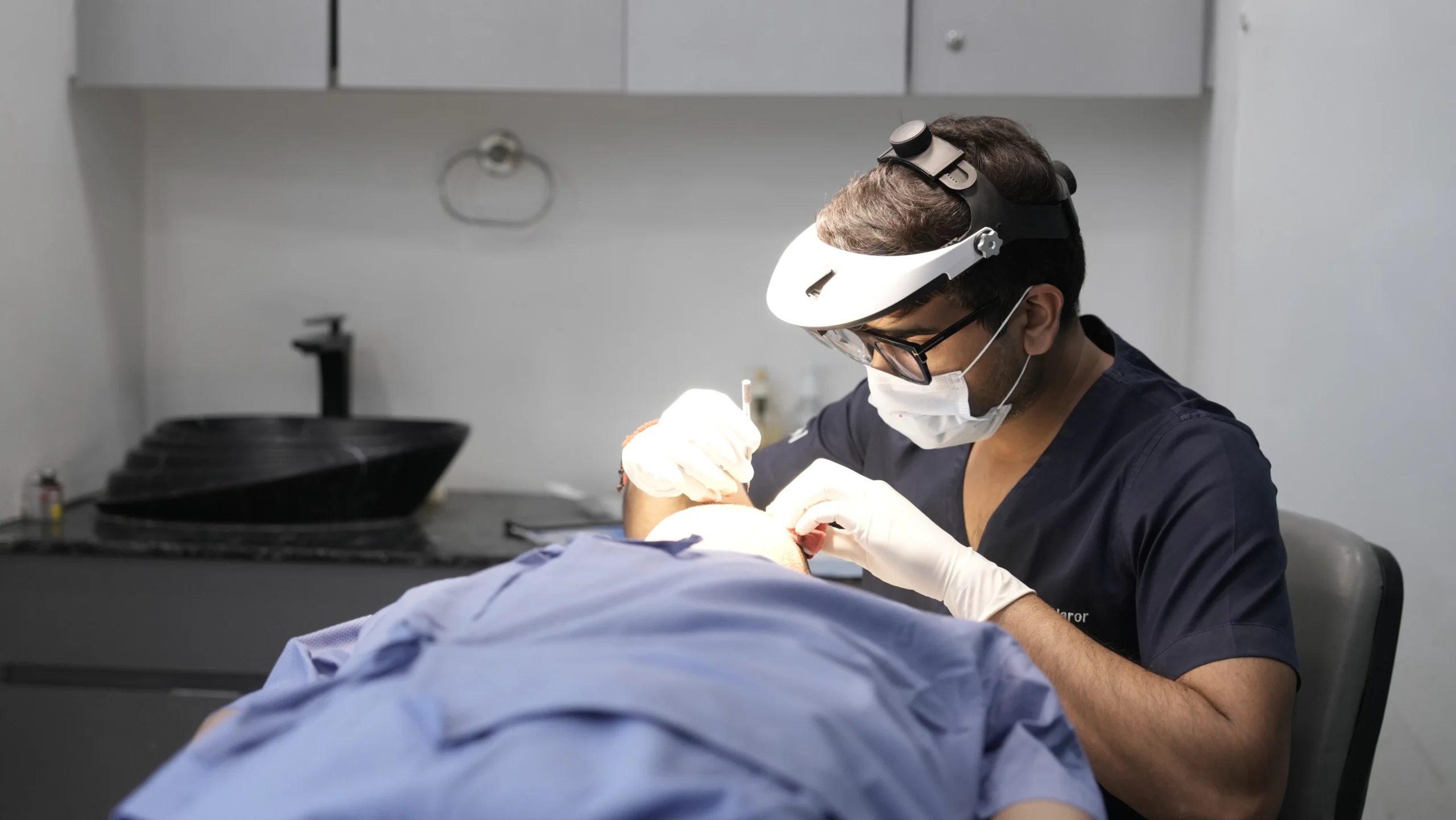
Photo by Dr. Haror’s Wellness on Pexels
In the rapidly evolving landscape of aesthetic treatments, particularly within the vibrant Amsterdam beauty scene, the carbon peeling laser facial has garnered significant attention. However, with its rising popularity comes a deluge of skincare misinformation and widespread confusion, making it challenging for individuals to discern fact from fiction.
As we navigate 2026, understanding the precise truths about carbon peeling is more critical than ever. The global medical aesthetics market is projected to reach $25.9 billion, with non-invasive resurfacing growing steadily. This growth means more options, but also a greater need for clarity amidst the noise, especially concerning persistent skin treatment myths 2026.
Patients often arrive at Amsterdam Beauty Clinic with preconceived notions about treatments, sometimes driven by anecdotal evidence or outdated information. My goal is to cut through this clutter, providing clear, evidence-based insights into what carbon peeling truly offers. This empowers you to make informed decisions about your skin health and aesthetic journey, aligning your expectations with realistic outcomes.
Consider the advancements, like the shift towards Picosecond laser technology in Amsterdam, which promises faster pulse speeds and reduced heat buildup. Without accurate information, these innovations can easily be misunderstood. We aim to clarify why treatments like the carbon laser peel, which utilizes a 1064nm Q-switched Nd:YAG laser with medical-grade carbon lotion, require multiple sessions for optimal results, contrary to some instant-fix narratives. To truly understand the evolving landscape of this treatment and separate fact from fiction, exploring current insights is key. For a deeper dive into what’s real about this treatment, I recommend reading Amsterdam Carbon Peel: 2026 Insights Into Surprising Realities for Clearer Skin.
This section lays the groundwork by acknowledging the pervasive carbon peel myths 2026 and emphasizing the importance of accurate knowledge. We will dissect the most common untruths, ensuring you have the precise local skin treatment truth needed to confidently pursue your skin goals, whether it’s for sebum regulation or collagen induction. It’s about empowering you to make choices that genuinely benefit your skin.
What Exactly is the 2026 Amsterdam Carbon Peeling Scan and Why are Myths Emerging?
The carbon laser peel, widely known as the “Hollywood Peel,” is a sophisticated aesthetic treatment gaining significant traction for skin rejuvenation. At Amsterdam Beauty Clinic, we see firsthand its effectiveness in tackling various skin concerns, from enlarged pores to uneven tone, making it a cornerstone of modern skin treatments.
This non-invasive procedure primarily employs a 1064nm Q-switched Nd:YAG laser in conjunction with a medical-grade carbon lotion. The carbon particles penetrate deep into pores, and when activated by the laser, they absorb the light energy, vaporizing impurities, dead skin cells, and excess oil. This process not only exfoliates the skin’s surface but also stimulates collagen production for a firmer, more youthful complexion. The controlled thermal effect minimizes damage to surrounding tissue, a key laser peel fact often misunderstood.
In 2026, the carbon peeling Amsterdam market reflects a strong demand for advanced skin solutions, with session prices typically ranging from €110 to €195. A notable trend in Amsterdam is the increasing adoption of Picosecond laser technology for these treatments. This newer generation offers faster pulse speeds and reduced heat buildup compared to traditional Q-switched models, potentially leading to even greater precision and comfort. The Dutch Health and Youth Care Inspectorate (IGJ) also maintains a strong regulatory focus on ‘BIG-registration’ for practitioners, ensuring high safety standards.
The rapid popularity of the carbon peel has, unfortunately, paved the way for various myths. Many misconceptions stem from the “instant glow-up” marketing versus the reality of sustained results. While surface exfoliation provides immediate radiance, deep dermal remodeling requires a recommended course of 4 to 6 sessions, spaced 2 to 4 weeks apart. Misinformation also arises from a lack of understanding of the laser’s precise mechanism, leading to unfounded fears about skin damage or suitability for sensitive skin. For more insights into common misconceptions, explore carbon peel myths 2026. Clinics like ours prioritize educating clients on accurate carbon laser treatment Amsterdam protocols, helping to demystify these advanced procedures.
Can Carbon Peels Deliver Instant, Permanent Results & What About All Skin Types?

Photo by Gustavo Fring on Pexels
One of the most persistent myths surrounding the carbon laser peel is the promise of instant, permanent results, often perpetuated by anecdotal accounts. While it’s true that you might notice an immediate glow and clearer pores right after a session, this initial improvement represents surface exfoliation, not the deep dermal remodeling that delivers lasting change. Expecting a single treatment to erase years of skin concerns is a common pitfall that often leads to disappointment.
True skin transformation with carbon peels requires a commitment to a series of sessions.
Dermatological data consistently shows that for optimal sebum regulation and significant collagen induction, a course of four to six treatments is typically recommended. These sessions are usually spaced two to four weeks apart, allowing the skin to undergo its natural regenerative processes. This iterative approach is crucial for achieving sustained improvements in skin texture, pore size, and overall clarity, offering genuine clear skin solutions 2026 rather than a fleeting fix.
Are Carbon Peels Suitable for All Skin Types?
Another widespread misconception is that carbon peels are unsuitable for sensitive or darker skin types, fearing potential damage or post-inflammatory hyperpigmentation (PIH). This concern is largely carbon peel benefits debunked by modern protocols and advanced technology. The 2026 protocol for carbon peels emphasizes the laser’s precision, targeting only the carbon particles applied to the skin while minimizing thermal damage to surrounding tissue. This makes it a gentler option compared to some other laser treatments.
At Amsterdam Beauty Clinic, we prioritize safety and efficacy across a diverse clientele, offering a range of skin treatments that accommodate various skin sensitivities. Our operators are highly trained, meeting the stringent competency requirements outlined by the Quality Framework for Cosmetic Care in the Netherlands, ensuring optimal outcomes and minimizing risks. This precise approach allows us to effectively utilize carbon peels for many individuals, including those seeking advanced acne treatment options.
In fact, recent research in 2025 highlights the treatment’s efficacy in reducing Cutibacterium acnes colonies by up to 40 percent after just three sessions, demonstrating its clinical benefits beyond a simple cosmetic glow-up. For a deeper dive into the realities of this treatment, you can explore more insights into skin treatment facts at Amsterdam Carbon Peel: 2026 Insights Into Surprising Realities for Clearer Skin. Ultimately, while the initial glow is appealing, lasting results come from a structured treatment plan, professionally administered.
Is the Amsterdam Carbon Peeling Scan Truly Painless, Safe, and Just for Acne?
One of the most persistent myths surrounding the carbon peeling scan in Amsterdam is the idea that it’s an inherently painful and unsafe procedure, exclusively reserved for severe acne. As practitioners committed to advanced, effective, and minimally discomforting services, we consistently encounter these misconceptions. The reality, informed by modern aesthetic protocols and rigorous safety standards, paints a very different picture.
Is the Carbon Peel Painful?
Many clients worry about discomfort, often associating laser treatments with significant pain. However, the carbon laser peel is widely known for being a gentle procedure. During the treatment, a medical-grade carbon lotion is applied to the skin, which then absorbs the 1064nm Q-switched Nd:YAG laser energy. This process creates a mild, warm sensation, often described as light tingling or a sensation similar to tiny pinpricks, but rarely as painful.
The sensation is minimal because the laser primarily targets the carbon particles, not the skin directly.
Newer Picosecond laser technology, which is increasingly adopted in Amsterdam, further reduces heat buildup, enhancing patient comfort even more. This targeted approach significantly minimizes thermal damage to surrounding tissue, making it a very tolerable experience.
Ensuring Dermatological Laser Safety
Concerns about the safety of laser treatments are valid, but the carbon peel, when performed correctly, is remarkably safe. In the Netherlands, dermatological laser safety is governed by the Quality Framework for Cosmetic Care. This framework ensures that laser operators at clinics, including here at Amsterdam Beauty Clinic, meet specific competency requirements. This professional oversight is crucial for preventing complications like post-inflammatory hyperpigmentation (PIH).
Moreover, the protocol emphasizes the laser’s ability to target only the carbon particles, thereby minimizing thermal damage to surrounding healthy tissue. This makes it a viable option even for those with sensitive skin carbon peel concerns. The Dutch Health and Youth Care Inspectorate (IGJ) increasingly focuses on the ‘BIG-registration’ status of practitioners performing high-energy laser treatments, reinforcing a commitment to patient safety.
Beyond Acne: A Versatile Professional Skin Resurfacing Treatment
While carbon peels are highly effective for managing acne-prone skin, it’s a misconception that this is its sole application. Recent 2025 research highlighted the treatment’s effectiveness in reducing Cutibacterium acnes colonies by up to 40 percent after just three sessions, clearly demonstrating its clinical benefits for acne.
However, the carbon peel is also an excellent professional skin resurfacing treatment for a much broader range of concerns. It excels at sebum regulation, reducing pore size, improving skin texture, and stimulating collagen induction. Clients seeking a brighter complexion, reduced fine lines, or a more even skin tone will find significant benefits from this versatile treatment. For a deeper dive into the surprising realities of this treatment, explore our insights into Amsterdam carbon peel.
At Amsterdam Beauty Clinic, we leverage state-of-the-art technology to offer comprehensive skin treatments that address various concerns, ensuring comfort, safety, and remarkable results.
Why Do These Carbon Peeling Myths Continue to Circulate?

Photo by Wilfried Mbaihornom on Pexels
Imagine investing in a cutting-edge carbon laser peel, a procedure celebrated for its transformative potential, yet encountering a maze of contradictory information. This isn’t just a minor inconvenience; it actively undermines your pursuit of clear, radiant skin. Despite significant technological advancements and clearer dermatological data, misconceptions about carbon laser peel stubbornly persist, challenging dedicated professionals and fueling widespread skincare misinformation. Understanding the carbon peel myths persistence is not merely academic; it’s absolutely crucial for anyone seeking genuine, effective results and avoiding disappointment.
Why Myths Endure: Old Data, New Hype, and Social Echoes
The persistence of these carbon peel myths stems from several interconnected factors:
- Outdated Online Information: A primary driver is the sheer volume of old data circulating online. What might have been true years ago about
laser skin treatmentsoften no longer applies in 2026, particularly with the advent of advanced Picosecond technology. Older articles, based on early-generation lasers, continue to appear in search results, presenting outdated protocols and misleading expectations. - Aggressive Marketing &
Aesthetic Market Trends: This problem is compounded by dynamicaesthetic market trendsand aggressive marketing tactics. Clinics or brands sometimes overstate immediate benefits or downplay the necessity of multiple sessions, creating unrealistic expectations. - Lack of Standardized Patient Education: Crucially, there’s a notable absence of standardized patient education across the industry. Without a unified, authoritative source of information, individuals are left to piece together truths from disparate, often conflicting, sources. This inconsistency allows
skincare misinformationto take root, making it difficult for consumers to discern credible advice from marketing hype, ultimately feeding into a cycle of confusion and distrust.
How Can You Avoid Falling for Skincare Untruths and Verify Information?
In an era saturated with information, discerning truth from fiction in skincare, especially regarding advanced procedures like carbon peeling, is paramount. Many fall prey to exaggerated claims and quick fixes, overlooking the nuanced science behind effective treatments.
How to Spot Skincare Myths and Misinformation
When evaluating information, particularly about how to spot skincare myths, a critical eye is your best tool. Be wary of promises that sound too good to be true, such as instant, permanent results from a single session.
Genuine results in aesthetic treatments often require a consistent, evidence-based approach.
Look for a lack of scientific backing or testimonials that seem overly enthusiastic without tangible proof. Misleading marketing often downplays risks or overstates benefits, creating unrealistic expectations.
Verifying Aesthetic Treatments: Your Essential Steps
For verifying aesthetic treatments, always prioritize information from credible sources. Begin by consulting with certified dermatologists or licensed aesthetic practitioners who possess extensive training and experience. Their expertise is invaluable in separating fact from fallacy.
Cross-reference claims with established medical and scientific literature. If a treatment lacks peer-reviewed studies or endorsement from recognized medical bodies, approach it with skepticism.
Reliable Beauty Resources for Informed Decisions
To ensure you’re making evidence-based decisions, turn to reliable beauty resources. Regulatory bodies, such as the Dutch Health and Youth Care Inspectorate (IGJ), provide guidelines and enforce safety standards for cosmetic procedures in the Netherlands. For broader dermatological insights, organizations like the American Academy of Dermatology offer comprehensive, unbiased information on various skin conditions and treatments. I always recommend reviewing their resources for a clear understanding of what to expect from any aesthetic procedure.
At Amsterdam Beauty Clinic, we emphasize transparency and education across all our advanced skin treatments, ensuring clients understand the science and expected outcomes. We believe in empowering you with knowledge so you can choose quality beauty services in Amsterdam that genuinely benefit your skin health.
What’s the Future of Clearer Skin with Evidence-Based Carbon Peeling?
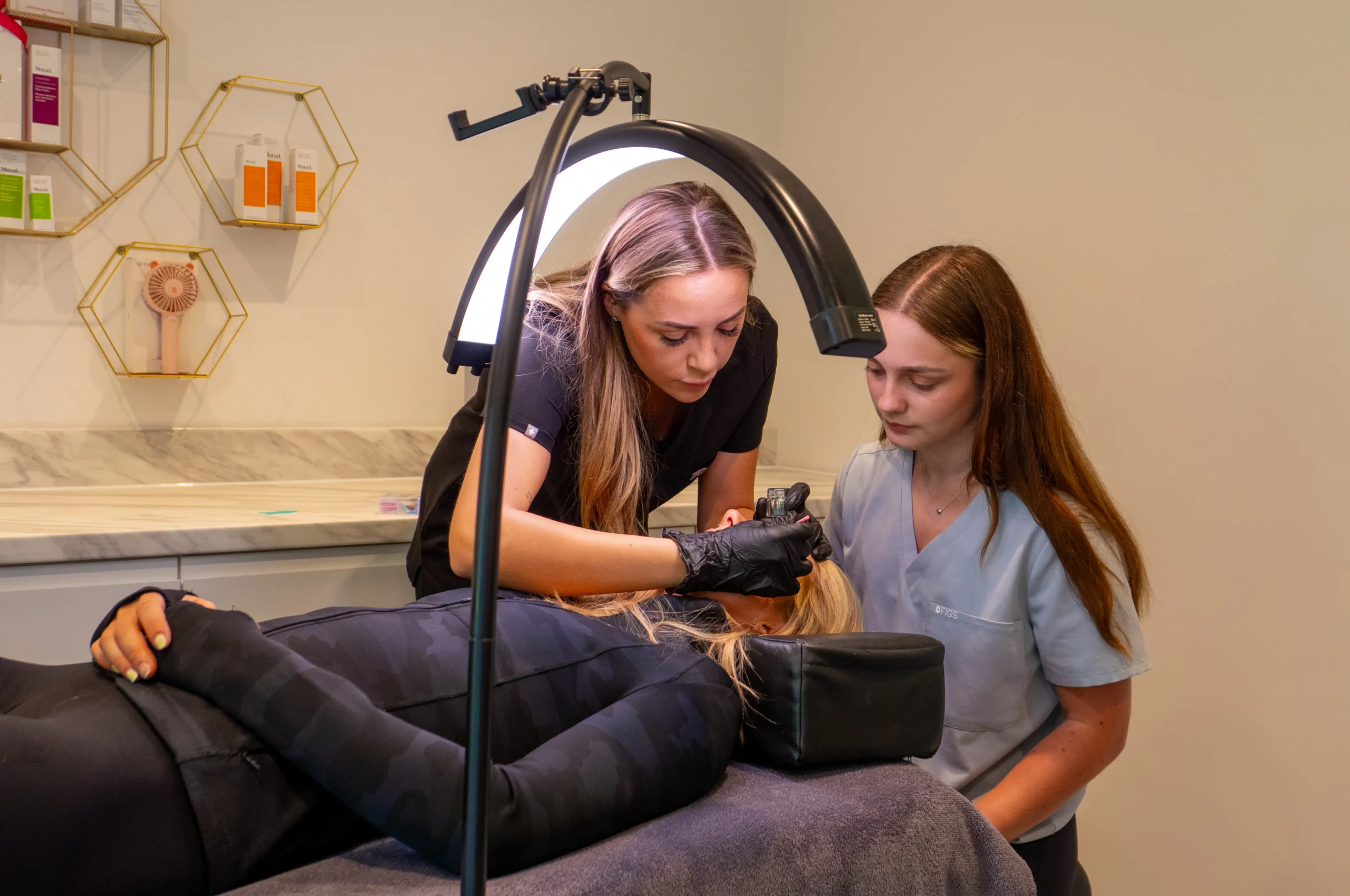
Photo by Louix Hunter on Pexels
Having navigated through the common misconceptions surrounding the carbon laser peel, it’s clear that the path to radiant skin is paved with truth, not hype. We’ve dissected the popular untruths, from the myth of instant, permanent results to the notion that carbon peeling is unsuitable for sensitive skin or merely a cosmetic glow-up.
True efficacy in aesthetic treatments stems from scientific backing and expert application.
What we understand now, through evidence-based research and the 2026 Amsterdam aesthetic market trends, is that the carbon laser peel offers genuine benefits when administered correctly and with realistic expectations. Deep dermal remodeling and optimal sebum regulation, for instance, require a series of 4 to 6 sessions spaced 2 to 4 weeks apart, not a single magic wand wave. Furthermore, the shift towards Picosecond laser technology in Amsterdam signifies a continuous evolution towards safer, more effective treatments, minimizing thermal damage while maximizing results.
The future of clear skin solutions 2026 is firmly rooted in informed decision-making. We’ve seen how the Quality Framework for Cosmetic Care in the Netherlands and the Dutch Health and Youth Care Inspectorate (IGJ) ensure that practitioners meet stringent competency requirements, safeguarding clients against complications like post-inflammatory hyperpigmentation. This regulatory focus underpins the reliability of laser peel facts and the overall safety of treatments.
Empowering yourself with accurate information is the first step towards achieving your skincare goals. As we at Amsterdam Beauty Clinic believe, making informed skincare choices transforms your aesthetic journey. We encourage you to share these proven facts with others, helping to elevate the standard of beauty care. For those new to the city’s aesthetic scene, exploring a reputable establishment is key to a positive experience in a beauty salon Amsterdam.
If you’re considering advanced skin treatments or have further questions about carbon peeling, we invite you to consult with our experts. At Amsterdam Beauty Clinic, we are dedicated to providing clear, precise guidance and state-of-the-art services, from skin treatments to body sculpting, ensuring your journey to clearer, healthier skin is both effective and comfortable. Discovering the right salon for your needs is crucial when starting fresh: your guide to Amsterdam’s beauty salons in 2026.
Ready to achieve clearer, radiant skin with confidence? Discover the advanced, safe, and effective treatments available at Amsterdam Beauty Clinic and leave misinformation behind.
People Also Ask About Carbon Peels
What are the real benefits of a carbon laser peel?
A carbon laser peel offers several benefits, including exfoliation of the skin’s surface, reduction in pore size, and improved skin tone. It can also help to stimulate collagen production over time and reduce the appearance of fine lines and acne scars. For optimal results, a series of treatments is typically recommended.
Is a carbon peel suitable for sensitive skin types?
Yes, modern carbon peeling protocols are designed to be suitable for most skin types, including sensitive skin. The laser primarily targets the carbon particles, minimizing thermal damage to the surrounding skin tissue. However, a patch test and consultation with a professional are always advisable.
How many carbon peel sessions are needed for noticeable results?
While some immediate surface improvements can be seen after one session, a recommended course of 4 to 6 sessions, spaced 2 to 4 weeks apart, is generally advised for optimal sebum regulation and collagen induction. This allows for deeper dermal remodeling and more significant, lasting results.
What is the difference between a Q-switched and a Picosecond carbon peel?
Picosecond laser technology, a newer development, offers faster pulse speeds and reduced heat buildup compared to traditional Q-switched Nd:YAG lasers used in carbon peels. This can lead to potentially less discomfort and a reduced risk of side effects, while still effectively targeting the carbon particles.
How does Amsterdam Beauty Clinic ensure safety during carbon peels?
At Amsterdam Beauty Clinic, safety is paramount. Our treatments adhere to the Dutch Quality Framework for Cosmetic Care, ensuring that practitioners are highly trained and competent in performing laser treatments. We use state-of-the-art technology and follow strict protocols to minimize risks and ensure effective outcomes.
Can carbon peels permanently remove acne or scars?
Carbon peels can significantly improve the appearance of acne and acne scars by reducing inflammation, targeting acne-causing bacteria, and promoting collagen production for skin resurfacing. While they offer substantial improvement, complete permanent removal may depend on the severity of the acne or scarring and individual healing responses. Multiple treatments are key.