Introduction

Photo by Gustavo Fring on Pexels
Imagine you’ve got a major event in 72 hours. Your skin looks dull, your pores are visible, and you want that “lit-from-within” look,but you can’t risk the four days of shedding that usually comes with a heavy chemical treatment. This is where the carbon laser peel fills the gap. It’s the perfect middle ground for anyone who finds standard spa facials too gentle and medical-grade resurfacing too intense.
Why the middle ground matters
At Amsterdam Beauty Clinic, we treat this as a dual-action powerhouse. The process starts with a liquid carbon paste that dives into your pores. When the laser hits, it shatters those particles, taking dead skin and oil with it. And because it uses thermal energy, you get a tightening effect that standard exfoliation just can’t touch. It’s one of the few beauty salon skin treatments that offers instant gratification with zero downtime.
But does it live up to the hype? While it’s fantastic for managing stubborn congestion, don’t expect it to erase deep scars in one go. Realistically, carbon peel facial benefits are about refining texture and hitting the “reset” button on your glow. It’s an entry-level laser move that delivers skin rejuvenation at a salon without the scary recovery phase. Finding a beauty salon in amsterdam that balances medical tech with a spa feel isn’t always easy, but it’s worth the effort for these results. Results vary, of course, but for a quick pre-event polish, it’s hard to beat.
The mechanics of the ‘explosion’ on your skin
The term ‘explosion’ isn’t just marketing flair; it describes the physical interaction between light and carbon at a microscopic level. We start by applying a medical-grade carbon paste that sinks deep into the pores, binding to sebum and cellular debris. This creates a high-contrast target for our 1064nm Q-switched Nd:YAG laser, which is a staple of modern skin treatments.
When the laser fires, the carbon particles absorb the energy almost instantly. This rapid heating causes the particles to shatter,a phenomenon known as the photo-acoustic effect. If you’ve ever wondered what does a carbon facial do beyond surface cleaning, this is the answer. The “explosion” mechanically clears the follicular lining, a process we detail in our carbon peeling guide. And it’s incredibly precise, ensuring surrounding tissue stays intact while the debris is blasted away.
thermal stimulation and pore refinement
It’s this dual-action approach that makes carbon peeling so effective for oily skin. The heat doesn’t just vaporize the carbon; it temporarily shrinks sebaceous glands and kickstarts collagen synthesis. At our beauty salon amsterdam, we often see an immediate tightening in “orange peel” texture. Clients frequently ask about the skin benefits of carbon peels during their initial carbon peel journey.
But results aren’t magic. While the carbon laser treatment before and after results are impressive, the depth is limited. We always separate Amsterdam skin myths from the science: it’s a controlled, dry exfoliation. For those starting your carbon peeling journey, we provide precision answers to ensure you understand the carbon peeling difference. Expect some mild redness for an hour or two; that’s just the blood flow responding to the heat.
Tackling the oil factory: why it works for acne
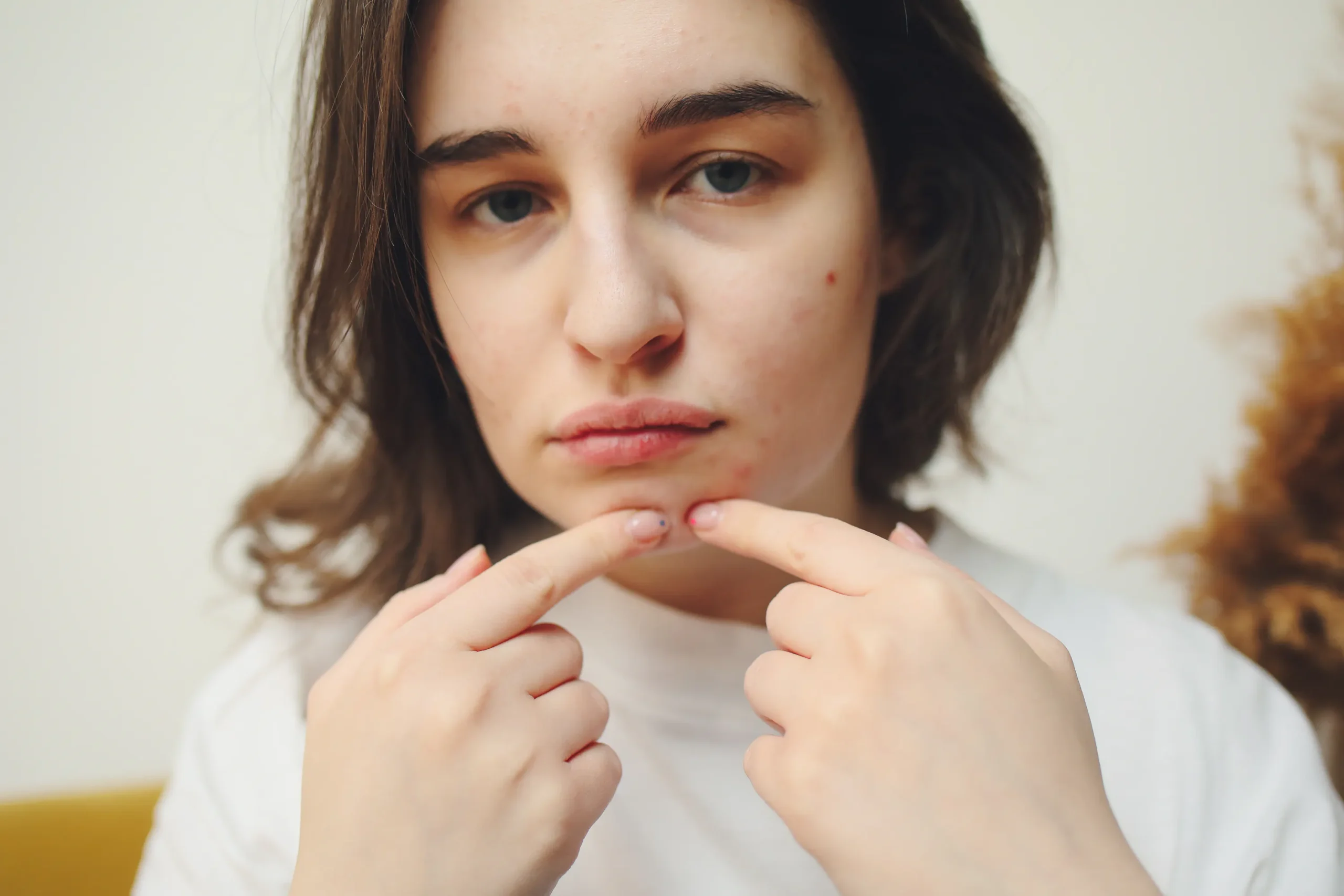
Photo by Polina Tankilevitch on Pexels
Persistent shine and recurring breakouts often stem from overactive sebaceous glands. While the carbon explosion cleans the surface, the thermal energy is what actually manages the ‘oil factory.’ This heat penetrates the dermis to target the glands directly. It causes them to contract, which naturally leads to a measurable reduction in sebum production.
At Amsterdam Beauty Clinic, I’ve seen how treating oily skin with carbon peel offers a reprieve for those tired of harsh acids. But it doesn’t stop at oil control.
The laser energy also targets the P. acnes bacteria. The photo-acoustic effect doesn’t just clear pores; it helps shatter the acne membrane, allowing the body to clear the infection. This dual action is why the carbon laser peel results usually include a clearer complexion and a significant reduction in active inflammation.
getting technical with sebum control
We often get questions about pricing for long-term acne management. The reality is that consistency beats one-off treatments.
A series of sessions helps maintain the shrinkage of the sebaceous glands. And because we use modern technology paired with natural, vegan products for recovery, the discomfort is minimal. You can learn more about us and our approach to clinical skincare.
If you’ve found that a trusted beauty services amsterdam provider hasn’t addressed deep-seated congestion, this is the missing link. We focus on what experts aren’t explaining regarding the biological shift in the skin. Results vary, of course, but most clients notice an immediate matte effect that lasts for weeks.
Shrinking the ‘orange peel’ texture and large pores
Clinical data suggests that sustaining a dermal temperature of approximately 42°C for several minutes triggers the immediate contraction of existing collagen fibers while stimulating long-term fibroblast activity. This biological response is what transforms a simple cleaning session into a legitimate form of laser skin tightening that addresses structural aging from the inside out.
addressing the structural “girdle” of the skin
Large pores often look more prominent because the “scaffolding” around them,primarily collagen and elastin,has begun to slacken. Think of it like a knitted sweater that’s slowly losing its shape over time. At our professional skincare salon, we frequently see clients frustrated by an “orange peel” texture that heavy makeup only seems to highlight. By delivering thermal energy into the dermis, the carbon peel forces the skin to remodel this internal scaffolding.
But it’s not an overnight fix. While you’ll likely see an immediate smoothing effect after one session, the most impactful changes happen between weeks three and six as new collagen matures. Understanding these carbon peel facial benefits is helpful because it shifts the focus from a temporary glow to lasting skin health.
So, if you’re noticing that your skin looks more textured in harsh lighting, it might be time to contact us for a personal consultation. We often find that a series of four sessions provides the cumulative heat necessary to visibly “shrink” the appearance of those stubborn pores. It’s a subtle but significant shift in how light reflects off your face.
When a carbon peel is better than a chemical one
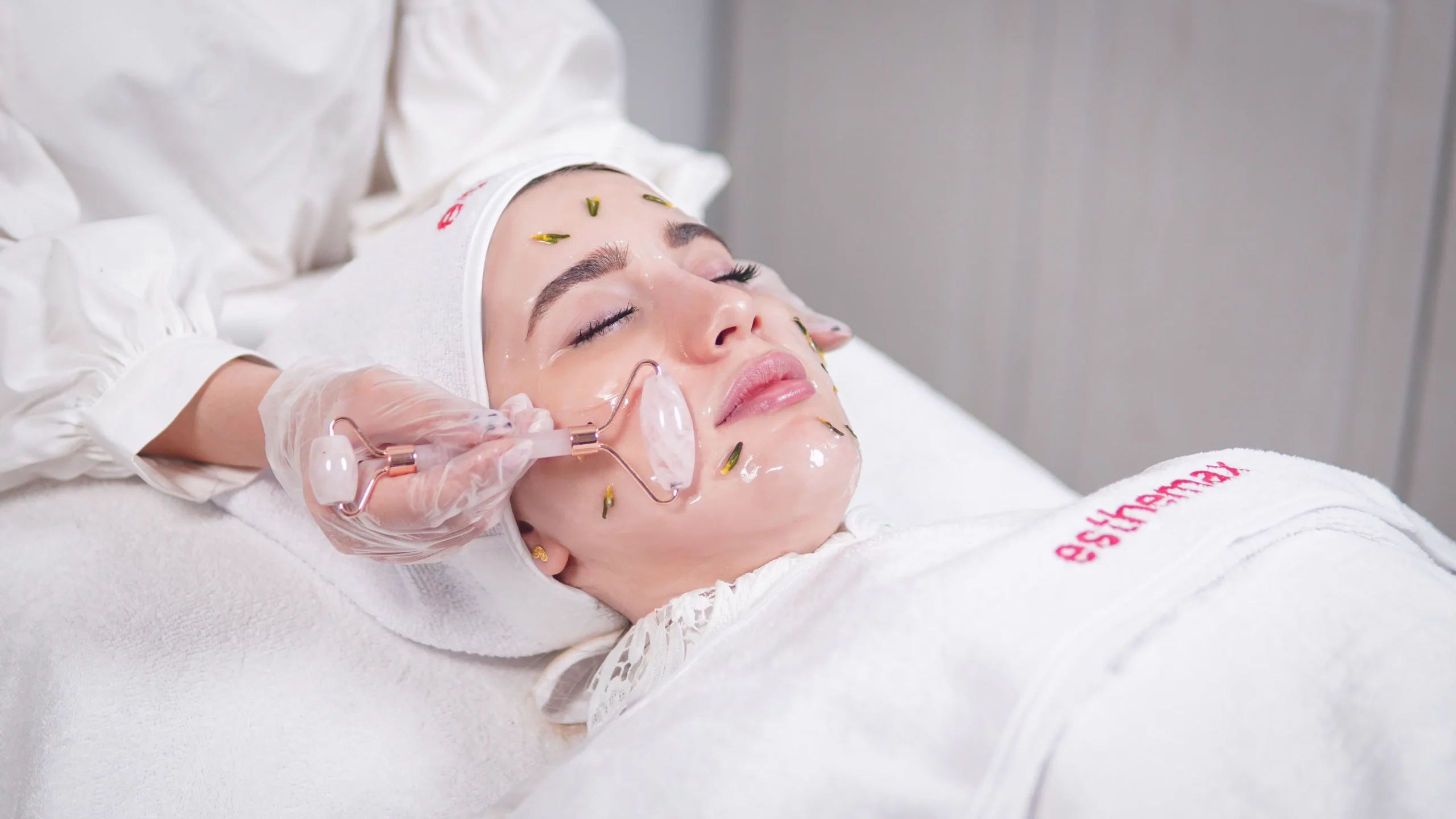
Photo by Soheil Kmp on Pexels
Imagine you have a high-stakes presentation or a wedding in three days, but your skin looks congested and tired. If you opt for a medium-depth chemical peel, you’re essentially committing to a week of visible shedding and potential redness. It’s a calculated risk that often doesn’t pay off for those with a busy schedule. This is where the practical benefits of Amsterdam carbon peeling truly shine compared to traditional acid-based methods.
While chemical peels rely on liquid acids to dissolve the ‘glue’ between skin cells, carbon peeling is a ‘dry’ and highly controlled process. At Amsterdam Beauty Clinic, I often suggest this for clients with sensitive or eczema-prone skin who find glycolic or salicylic acids too aggressive. Acids can sometimes over-penetrate, leading to unpredictable ‘frosting’ or prolonged irritation. In contrast, the laser energy only reacts with the carbon paste, leaving the healthy skin underneath largely undisturbed.
Safety for reactive skin types
One of the biggest hurdles in beauty salon skin treatments is managing reactive complexions. If your skin barrier is compromised, a chemical peel can feel like a gamble. But because the laser’s thermal energy is targeted, we can achieve effective skin rejuvenation at a salon without the chemical sting. It’s a predictable outcome,you walk out with a glow, not a prescription for heavy-duty barrier cream. Results vary based on your specific skin condition, but the lack of actual skin shedding is usually the deciding factor for my most active clients.
Setting realistic expectations for scarring and pigmentation
While the lack of downtime makes this a favorite over aggressive chemical peels, I always tell my clients that “no downtime” usually means gradual progress rather than an overnight overhaul. When we look at carbon laser peel results, the most significant shifts happen in the upper layers of the epidermis. If you’re dealing with superficial sun damage or the muddy appearance of hormonal melasma, the laser’s 1064nm wavelength effectively shatters those surface pigments. But it’s not a one-and-done deal.
The reality is that deep structural damage requires a different approach. I often see people hoping a carbon peel will smooth out deep ice-pick scars from years of cystic acne. Honestly, it won’t. Those deep pits often require more aggressive resurfacing or microneedling to physically break up the tethered scar tissue beneath. However, for shallow, “rolling” scars or post-inflammatory erythema,that lingering red mark after a breakout,the thermal energy does help by stimulating the dermal matrix over time.
At Amsterdam Beauty Clinic, we focus on a series of treatments rather than a single session. For genuine pigmentation treatment through carbon peeling, you should expect to see the best version of your skin after about four to six visits. This cumulative effect is where the carbon laser treatment before and after photos really start to show a difference. It’s about refining the surface, not rebuilding the basement. If you have deep-set indentations, we’ll likely suggest a more intensive modality, but for a brighter, more even-toned complexion, this remains our primary recommendation.
Closing

Building a lasting skin foundation
So, if you’re looking for that immediate “filter” effect for a Saturday night, one session is perfect. But let’s talk about the long game. What does a carbon facial do when you actually commit to the process? If you’re dealing with stubborn congestion or that “orange peel” texture we discussed, a single appointment is just a teaser. It clears the surface, sure, but it doesn’t change the underlying biology overnight.
To truly reset your skin’s oil production and see a structural shift in pore size, I usually recommend a protocol of 4 to 6 sessions. We space these about two to four weeks apart. This isn’t a random number; it aligns with your skin’s natural turnover and gives the collagen-building heat enough time to stack its effects. You’re not just cleaning the surface; you’re retraining how your skin behaves.
The ideal candidate isn’t someone looking for a miracle cure for deep surgical scars. Instead, it’s the person who feels their skin has lost its “snap” or anyone fighting a constant battle with midday shine. When you visit a professional skincare salon, you’re looking for tools that work harder than what’s in your bathroom cabinet. At Amsterdam Beauty Clinic, we see the best results in clients who treat this as a maintenance staple rather than a one-off luxury.
Think of it as a gym membership for your pores. If you’re ready to move beyond basic topical creams and want a more advanced skin treatment, the carbon peel is your bridge to medical-grade results. Does your current routine actually reach the dermis? If not, it might be time to stop scrubbing and start peeling.
If you are struggling with stubborn congestion or just want a fresh glow, Amsterdam Beauty Clinic offers professional carbon laser treatments that handle the heavy lifting for you.
Frequently Asked Questions
Does a carbon laser peel hurt?
Most people find it quite comfortable. You’ll likely feel a mild tingling sensation or a gentle snapping feeling as the laser interacts with the carbon, but it’s not painful enough to require numbing cream.
How long does the glow last after a treatment?
You’ll notice an immediate brightness that usually lasts for several days, which is why it’s a favorite for pre-event prep. For long-term improvements in pore size and oil control, you’ll want to stick to a series of sessions.
Can I get a carbon peel if I have sensitive skin?
Honestly, it’s often a better choice than chemical peels for sensitive skin. Since there’s no acid involved, you don’t have to worry about the unpredictable burning or peeling that sometimes happens with chemical treatments.
How many sessions do I need to see real results?
While your skin will look better after one visit, most people see significant changes in texture and oil production after 4 to 6 sessions. We usually space these out every 2 to 4 weeks to give your skin time to respond.
What happens if I skip sunscreen after the procedure?
You really shouldn’t skip it. Your skin is more sensitive to UV light after any laser treatment, and skipping SPF increases your risk of developing dark spots or post-inflammatory hyperpigmentation.